
In today's global marketplace, the quality and safety of edible oils have become paramount concerns for both manufacturers and consumers. As international food safety standards continue to evolve, B2B exporters face increasing pressure to deliver products that meet rigorous quality requirements while maintaining competitive pricing. Advanced edible oil refining technology stands as the cornerstone of meeting these challenges, offering solutions that enhance product quality, extend shelf life, and ensure compliance with global safety regulations.
Crude vegetable oils, regardless of their source—whether palm, soybean, sunflower, or rapeseed—contain various impurities that affect taste, stability, and safety. These include free fatty acids, phospholipids, pigments, and oxidation products that can compromise both quality and consumer health. According to industry research, properly refined oils can extend shelf life by 300-500% compared to unrefined alternatives, while reducing the risk of rancidity and off-flavors.
"Modern refining processes have transformed the edible oil industry by enabling producers to consistently meet international standards while preserving the nutritional value of oils. The difference between traditional and advanced refining is measurable not just in product quality, but in operational efficiency and market competitiveness," notes Dr. Michael Chen, Food Science Specialist at the International Edible Oil Association.
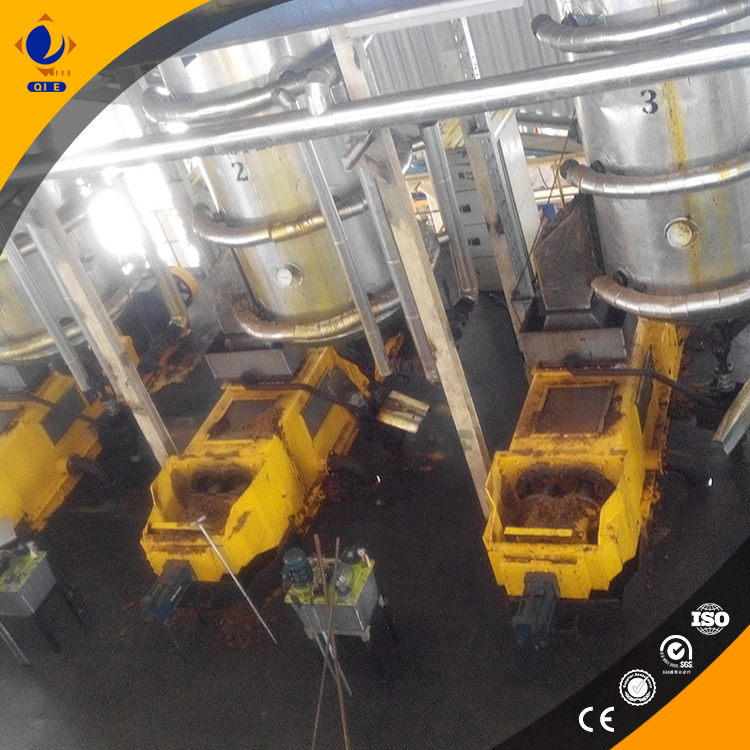
The degumming process targets phospholipids—natural emulsifiers that can cause cloudiness and reduce stability in finished oils. Using advanced centrifugation technology, modern degumming systems remove 99.5% of these impurities, compared to 85-90% removal rates with traditional methods. This step alone reduces processing time by up to 40% while improving the efficiency of subsequent refining stages.
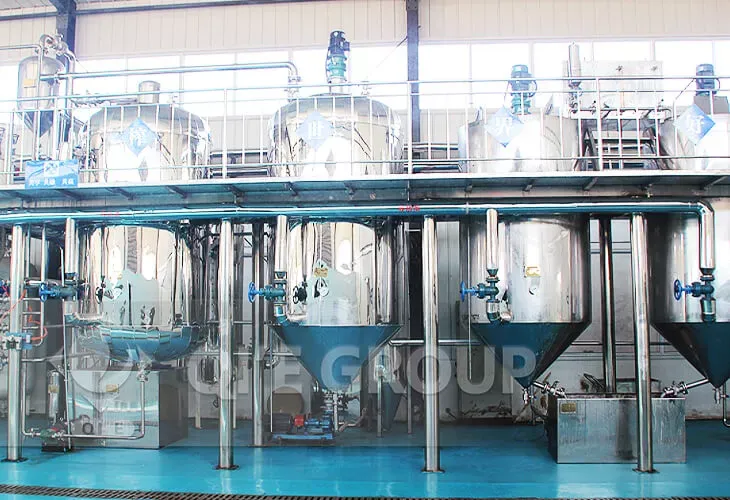
Free fatty acids (FFAs) in crude oil contribute to unpleasant flavors and reduce oxidative stability. Through precise alkali treatment in neutralization reactors, advanced systems reduce FFA levels to below 0.05%, significantly lower than the 0.1-0.2% typically achieved with conventional processes. This precision not only improves product quality but also reduces chemical usage by approximately 20%, lowering both costs and environmental impact.

Modern bleaching earth systems utilize specialized adsorbents and precise temperature control to remove pigments, trace metals, and oxidation products. Advanced filtration technology allows for 98% removal of chlorophyll and carotenoids, resulting in oils with consistent color and improved stability. These systems also reduce bleaching earth consumption by 30-40% compared to traditional methods, minimizing waste and operational costs.
The deodorization process removes volatile compounds that cause off-flavors and odors. State-of-the-art deodorization towers use high-vacuum, low-temperature processing to strip these compounds while preserving beneficial fatty acids. This gentle approach reduces trans-fat formation by up to 80% compared to conventional high-temperature methods, meeting the strictest global health standards.
For oils intended for cold climates or specific applications, winterization fractionation removes high-melting-point triglycerides that cause cloudiness at lower temperatures. Advanced cooling and filtration systems achieve precise crystallization control, resulting in oils that remain clear even at temperatures as low as 0°C. This process expands market opportunities by making products suitable for diverse climate conditions and culinary applications.
| Performance Metric | Traditional Technology | Advanced Technology | Improvement |
|---|---|---|---|
| Oil Yield | 88-92% | 95-97% | +5-7% |
| Processing Time | 8-12 hours | 3-5 hours | -50-60% |
| Energy Consumption | 100 kWh/ton | 65-75 kWh/ton | -25-35% |
| Shelf Life | 6-8 months | 12-18 months | +100-125% |
International markets demand strict adherence to food safety protocols, and advanced refining technology plays a pivotal role in achieving certifications such as ISO 22000, HACCP, and FSSAI. These systems incorporate features like CIP (Clean-in-Place) technology, real-time quality monitoring, and traceability systems that document every stage of the refining process.
For B2B exporters targeting premium markets in Europe, North America, and Japan, compliance with regulations such as the EU's REACH and FDA's Food Safety Modernization Act (FSMA) is non-negotiable. Advanced edible oil refining equipment provides the precision and documentation capabilities necessary to meet these stringent requirements, reducing the risk of costly import rejections or market access barriers.
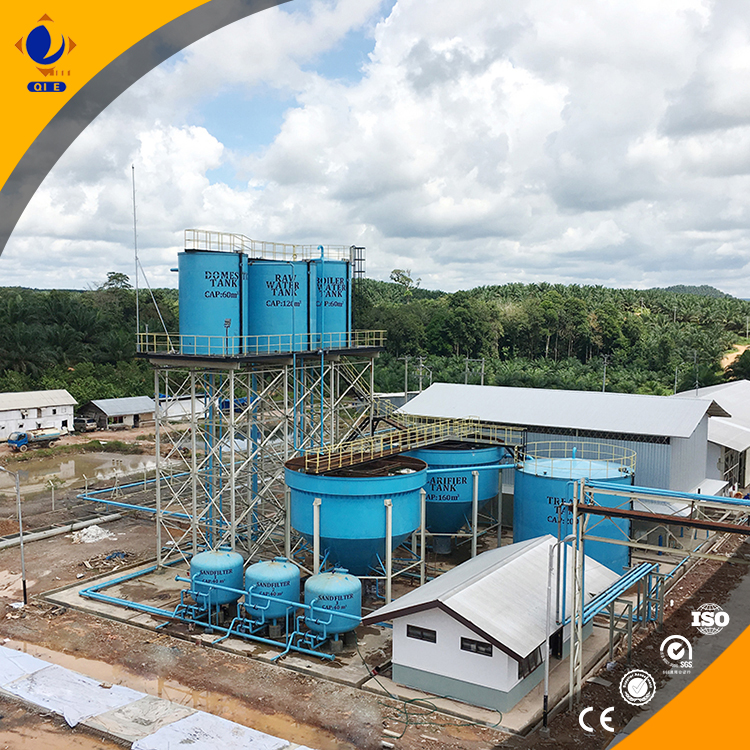
In an increasingly competitive global market, product differentiation is key to securing and retaining B2B clients. Edible oil refining technology from industry leaders like Penguin Group offers manufacturers a distinct competitive advantage by enabling the production of high-quality oils with consistent characteristics.
By investing in advanced refining systems, producers can: increase profit margins through higher yields and reduced waste; expand into new markets with demanding quality requirements; build long-term customer trust through consistent product quality; and future-proof operations against evolving regulatory requirements.
Have you considered how upgrading your refining process could impact your export potential? Many producers are surprised to discover how quickly advanced technology pays for itself through improved yields, reduced waste, and expanded market access. What specific quality challenges is your operation currently facing?
Penguin Group delivers turnkey edible oil refining solutions that meet the most rigorous international standards. Our technology ensures that every drop of oil meets global quality requirements while maximizing your operational efficiency.
Discover How We Can Enhance Your Export CompetitivenessAs consumer awareness of food safety and quality continues to grow, the importance of advanced refining technology will only increase. B2B exporters who prioritize these technological investments position themselves not just to meet current market demands, but to lead in the evolving global edible oil industry. The choice of refining technology is no longer just an operational decision—it's a strategic business imperative that directly impacts market access, profitability, and long-term growth.