
In an increasingly competitive global edible oil market, mustard oil producers are facing unprecedented pressure to balance quality, efficiency, and sustainability. As international buyers become more discerning about product standards and production practices, forward-thinking manufacturers are turning to advanced production technologies to gain a competitive edge. This article explores how modern mustard oil processing innovations are transforming the industry, delivering measurable improvements in product quality while optimizing operational efficiency for export-oriented businesses.
The evolution from traditional to advanced mustard oil processing represents more than just equipment upgrades—it's a complete transformation of production philosophy. Modern systems integrate three core technological advancements that work in harmony to deliver superior results:
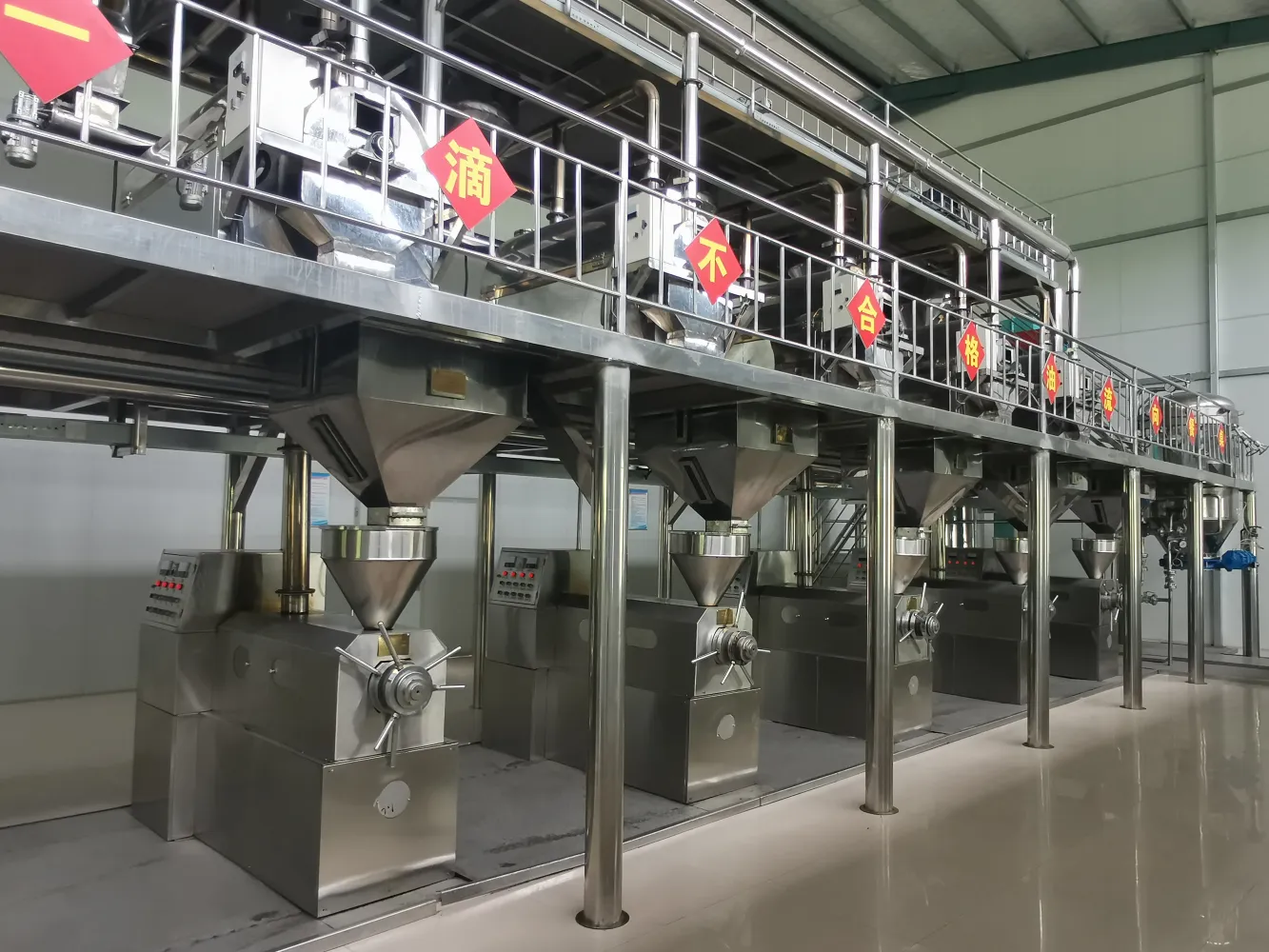
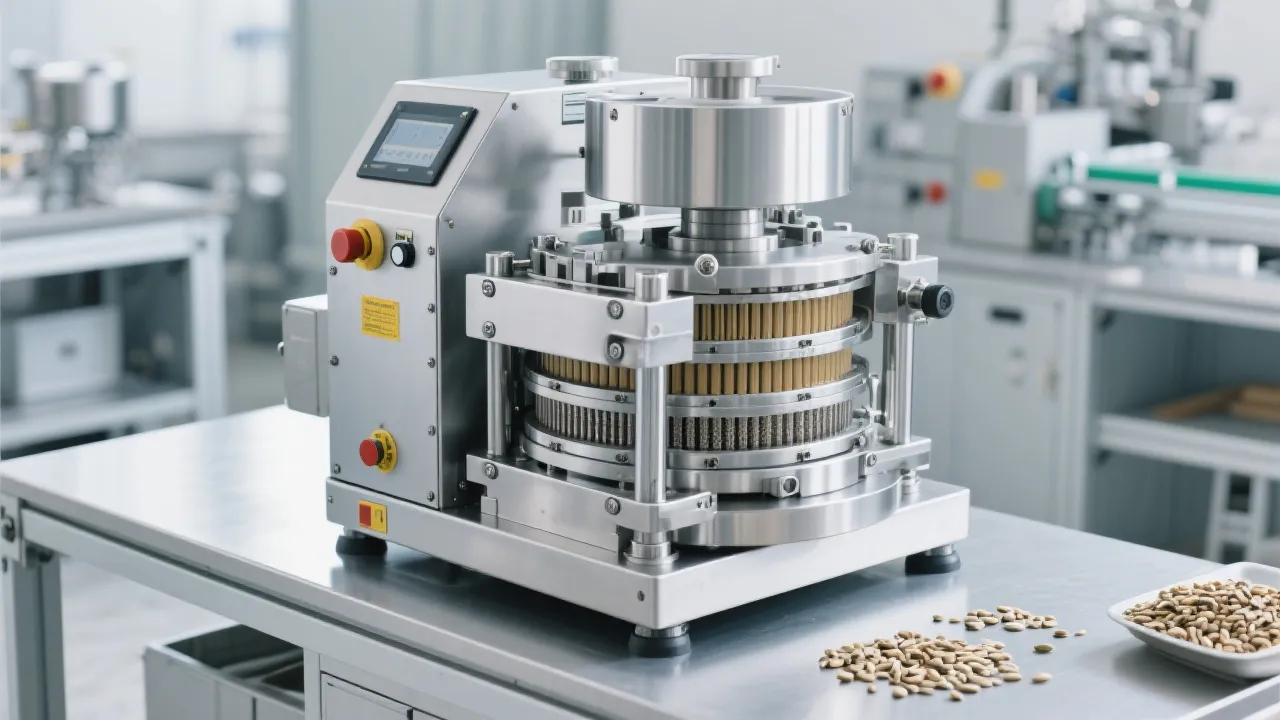
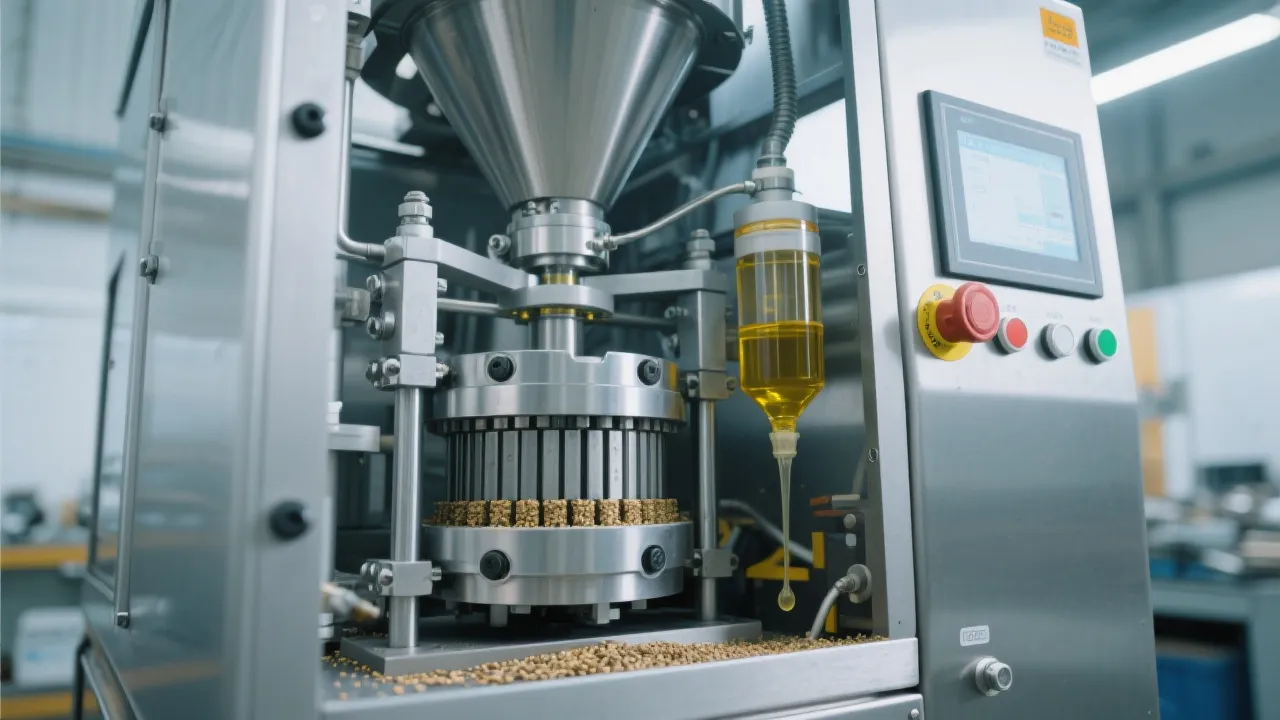
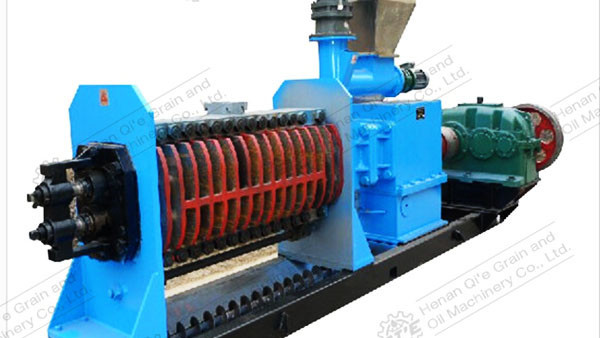
Traditional mustard oil extraction often relied on manual or semi-automatic presses with limited control over pressure, temperature, and extraction time. Modern automated pressing equipment, however, incorporates computerized controls that maintain optimal extraction parameters throughout the process. This precision results in an average 8-12% increase in oil yield compared to conventional methods, according to industry studies. For a mid-sized facility processing 500 tons of mustard seeds monthly, this improvement translates to approximately 4-6 additional tons of oil production—representing significant revenue potential.
"The transition to automated pressing reduced our seed waste by 15% while increasing our daily output by 22%. The consistency in pressure and temperature control eliminated the batch-to-batch variations that previously plagued our production line." — Production Manager, Asian edible oil exporter
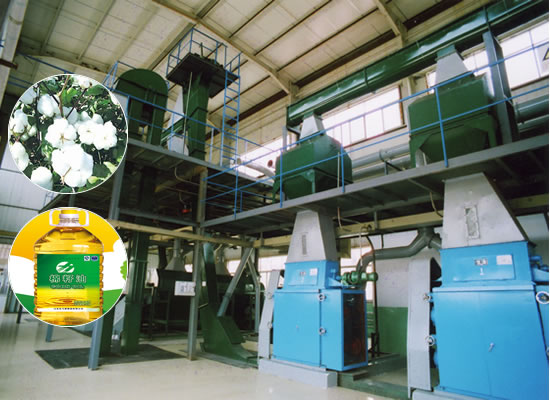
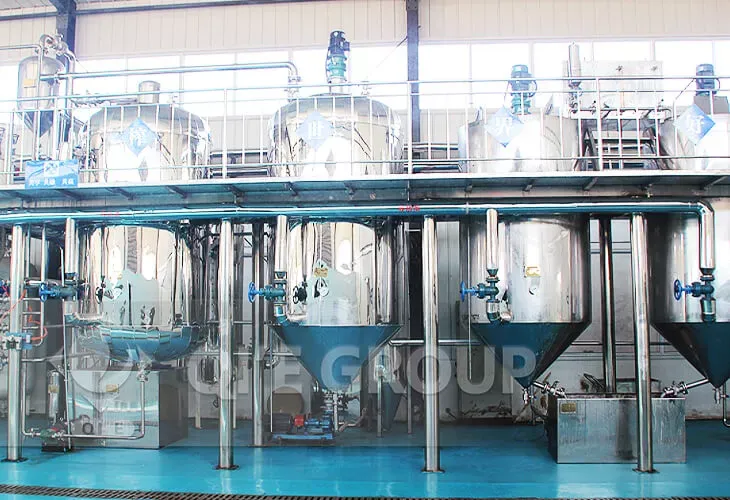
The purification stage is where advanced technology truly distinguishes premium mustard oil from standard grades. Modern systems employ multi-stage filtration processes that remove impurities more effectively than traditional methods. Nano-filtration and centrifugation technologies reduce free fatty acids to below 0.5%—a critical factor for extending shelf life and meeting stringent international food safety standards.
These purification advancements deliver measurable quality improvements:
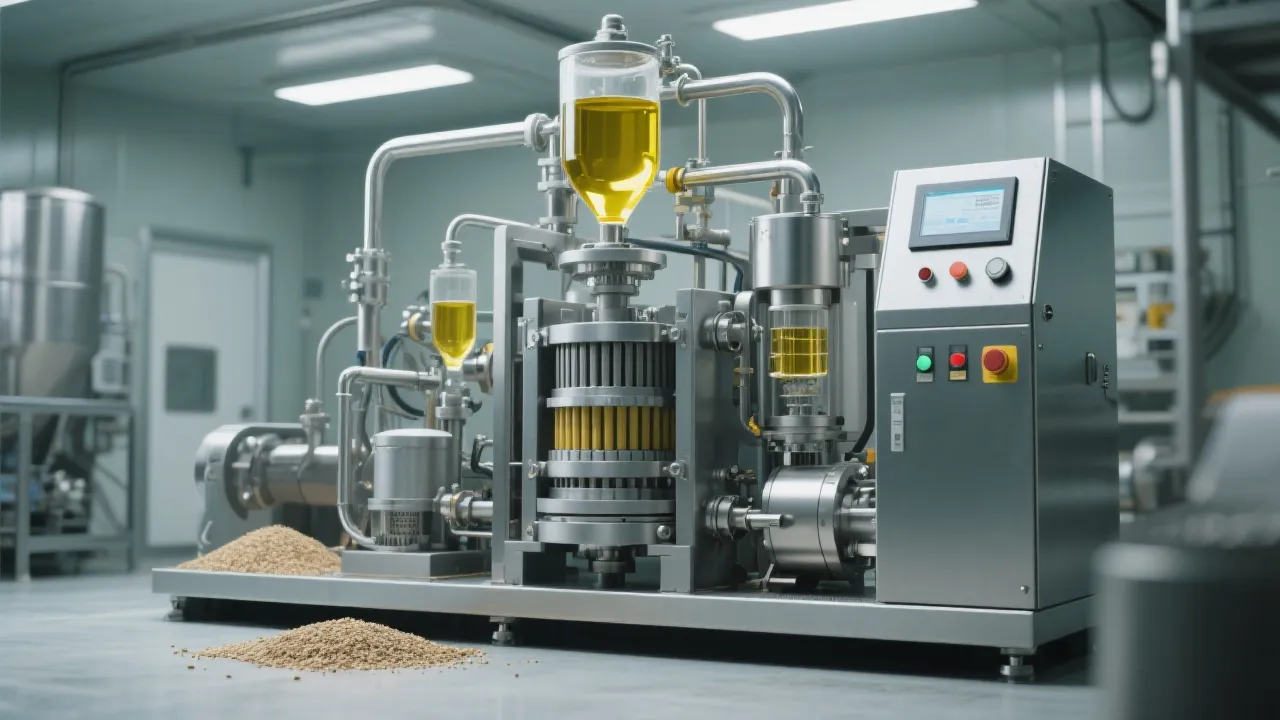
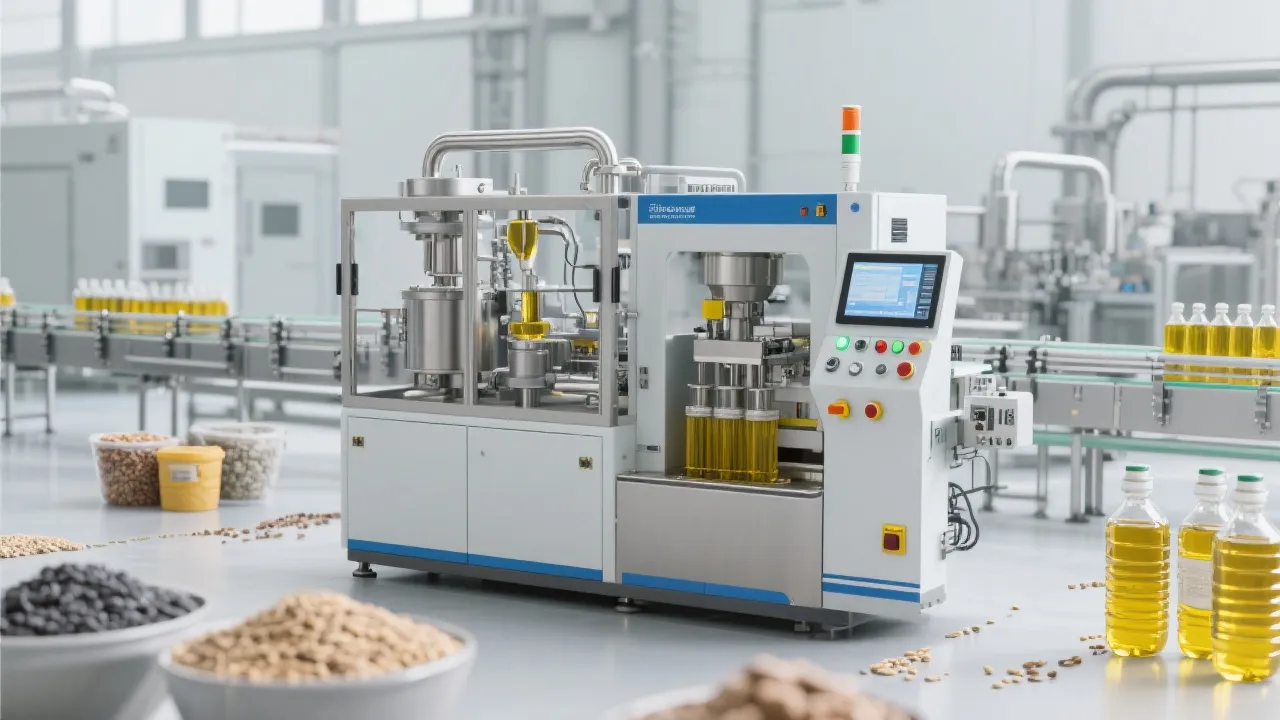
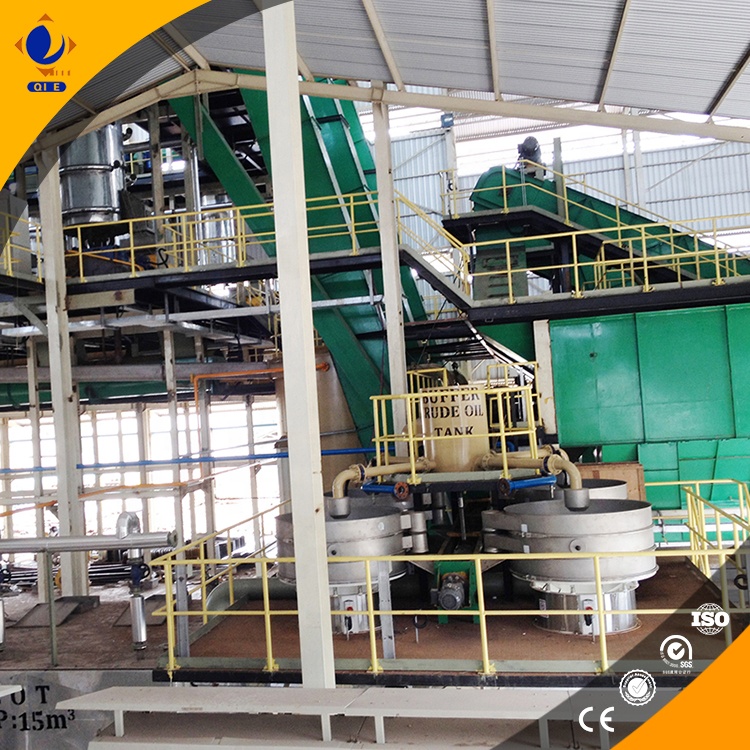
Perhaps the most transformative aspect of advanced mustard oil production is the integration of intelligent process control systems. These sophisticated platforms continuously monitor and adjust critical production parameters in real-time, ensuring consistency and quality while minimizing waste. Sensors throughout the production line collect data on everything from seed moisture content to oil temperature, feeding this information to central control systems that make immediate adjustments.
| Performance Metric | Traditional Technology | Advanced Technology | Improvement |
|---|---|---|---|
| Oil Extraction Rate | 32-35% | 38-42% | +18-20% |
| Energy Consumption | 120-140 kWh/ton | 75-85 kWh/ton | -35-40% |
| Labor Requirement | 8-10 workers/shift | 3-4 workers/shift | -60% |
| Impurity Levels | 0.8-1.2% | 0.1-0.2% | -85% |
Today's international buyers aren't just purchasing a product—they're investing in sustainable, responsible supply chains. Advanced mustard oil production technologies address this demand head-on with substantial environmental benefits:
Modern processing reduces solid waste by up to 35% through more efficient seed utilization. The remaining byproducts can be converted into high-protein animal feed, creating additional revenue streams.
Heat recovery systems and variable frequency drives reduce energy consumption by 30-40%, lowering carbon footprint while reducing operational costs.
Closed-loop water systems reduce water usage by 50-60% compared to traditional methods, a critical advantage in water-scarce regions.
These environmental benefits directly support compliance with stringent international standards such as EU food safety regulations, USDA organic certification, and ISO 22000 requirements. For B2B exporters, this compliance isn't just a regulatory necessity—it's a powerful marketing differentiator that can open doors to premium markets and command higher price points.
The transition to advanced mustard oil production technology is not a one-size-fits-all proposition. Manufacturers must carefully evaluate their specific needs, market goals, and financial capabilities. Here's how different scales of operation might approach technology adoption:
For smaller operations producing 50-200 tons monthly, modular automation systems offer an entry point to advanced technology without the full capital investment of a complete line. These systems typically pay for themselves within 18-24 months through improved yield and reduced labor costs. Focus areas should include core pressing and basic filtration upgrades that deliver immediate quality improvements.
Enterprises with production capacities exceeding 500 tons monthly can benefit from fully integrated lines with comprehensive process control. While requiring higher initial investment, these systems deliver ROI within 2-3 years through substantial efficiency gains, improved product consistency, and reduced waste. Large producers should prioritize data integration and traceability systems that provide the transparency increasingly demanded by global buyers.
When evaluating potential mustard oil suppliers, astute B2B buyers should probe beyond basic product specifications to understand the technological capabilities behind the product. Consider asking these critical questions:
As global markets become more competitive, the technological capabilities of mustard oil producers are increasingly becoming the deciding factor in B2B purchasing decisions. Companies like 企鹅集团 (Penguin Group) that invest in advanced production technologies are not only improving their operational efficiency and product quality but also positioning themselves as preferred suppliers in the international marketplace.
Discover how advanced production technologies can elevate your product quality, meet international standards, and increase your profit margins in global markets.
Explore Penguin Group's Advanced Mustard Oil SolutionsWhat has been your experience with technology upgrades in edible oil production? Have you encountered specific challenges in meeting international quality standards? Share your thoughts and questions in the comments section below—let's foster a conversation about the future of mustard oil manufacturing.