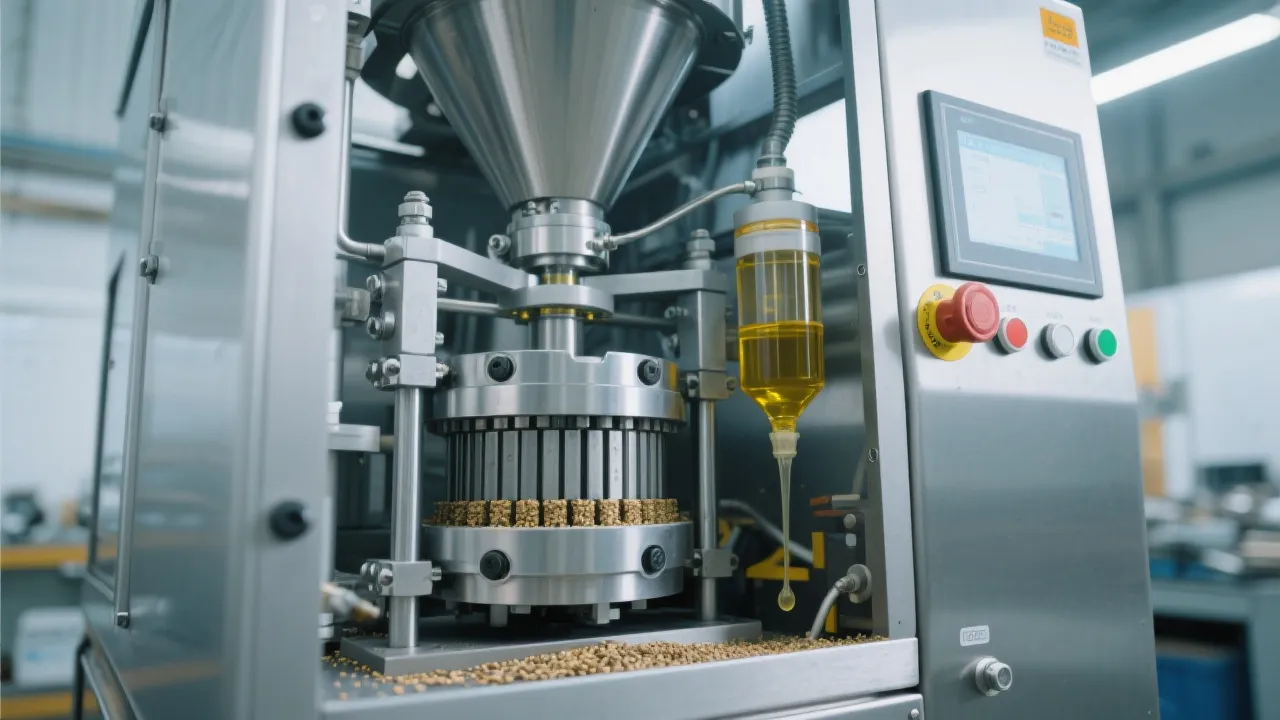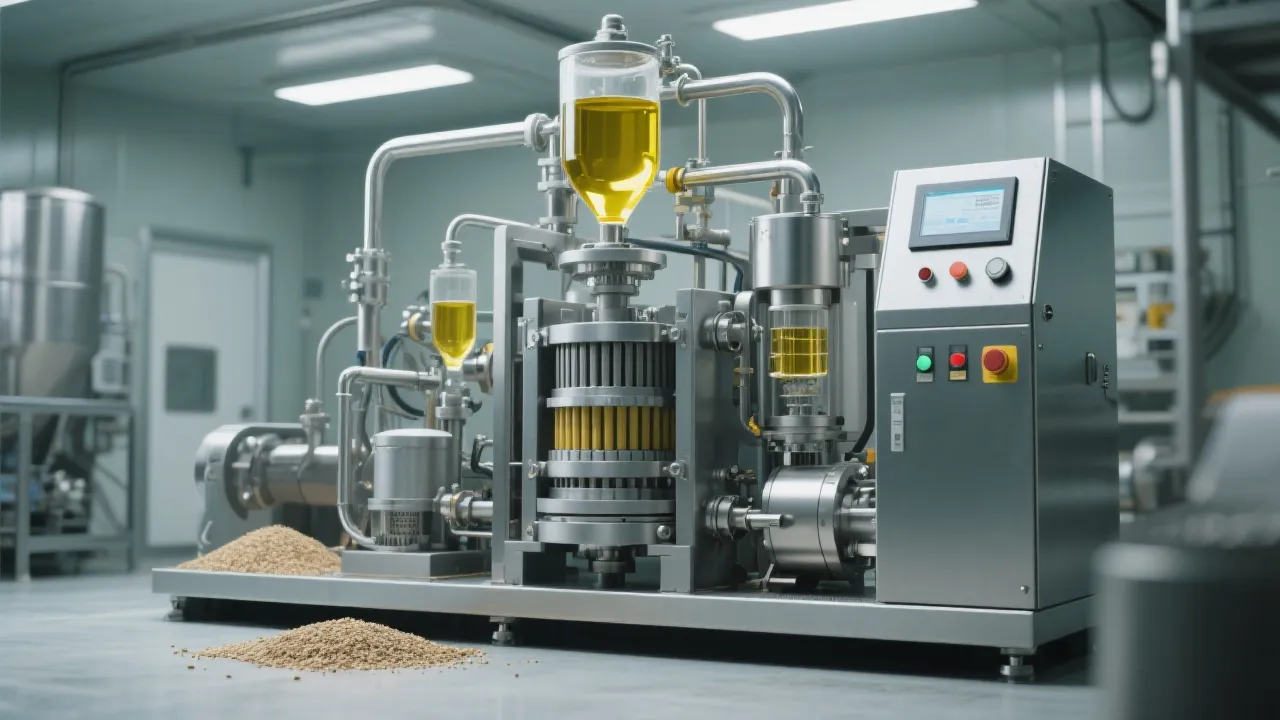
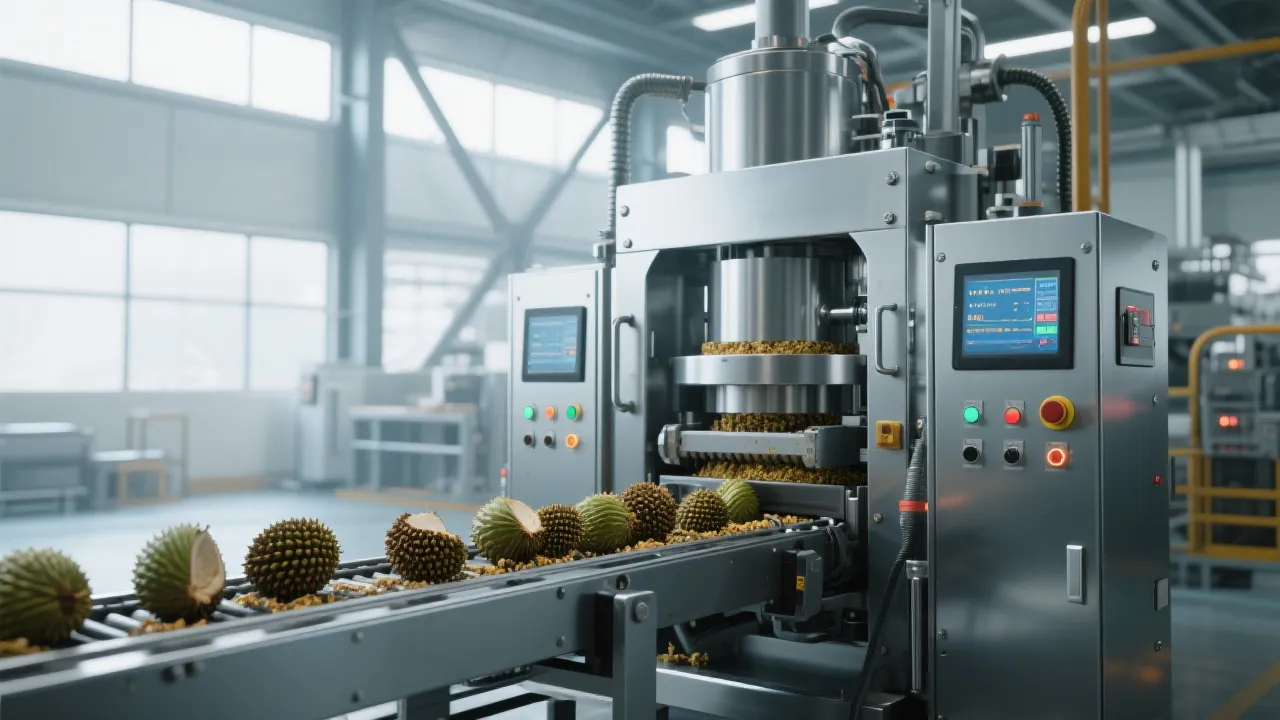
In the competitive edible oil industry, wasabi oil stands out for its unique flavor profile and health benefits. However, preserving its distinctive taste and nutritional value during mass production has long been a challenge for manufacturers worldwide. With global demand for premium wasabi oil growing at an annual rate of 7.2%, according to industry reports, producers are increasingly turning to advanced technologies to gain a competitive edge. This article explores how cutting-edge processing techniques are revolutionizing wasabi oil production, ensuring both exceptional quality and operational efficiency.
Wasabi oil derives its characteristic pungency and aroma from allyl isothiocyanate (AITC), a compound formed when enzymes in crushed wasabi seeds interact with glucosinolates. Traditional production methods often resulted in significant AITC loss—sometimes up to 40%—due to excessive heat and prolonged processing times. This not only diminished the oil's distinctive flavor but also reduced its nutritional benefits, including its natural antimicrobial properties and rich vitamin E content.
Modern processing technologies address these challenges through precise control of temperature, pressure, and processing duration. By optimizing these parameters, producers can now retain up to 92% of the natural AITC content while preserving the oil's nutritional integrity—a significant improvement that directly translates to better product quality and consumer satisfaction.
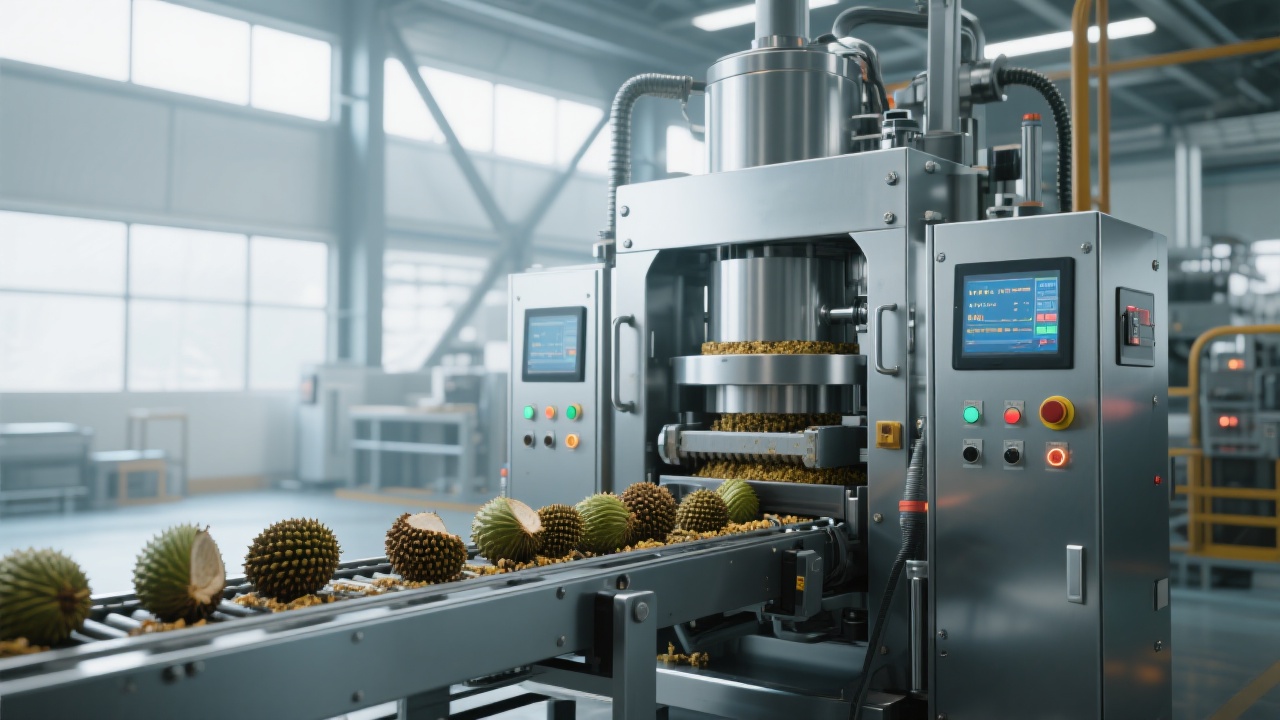
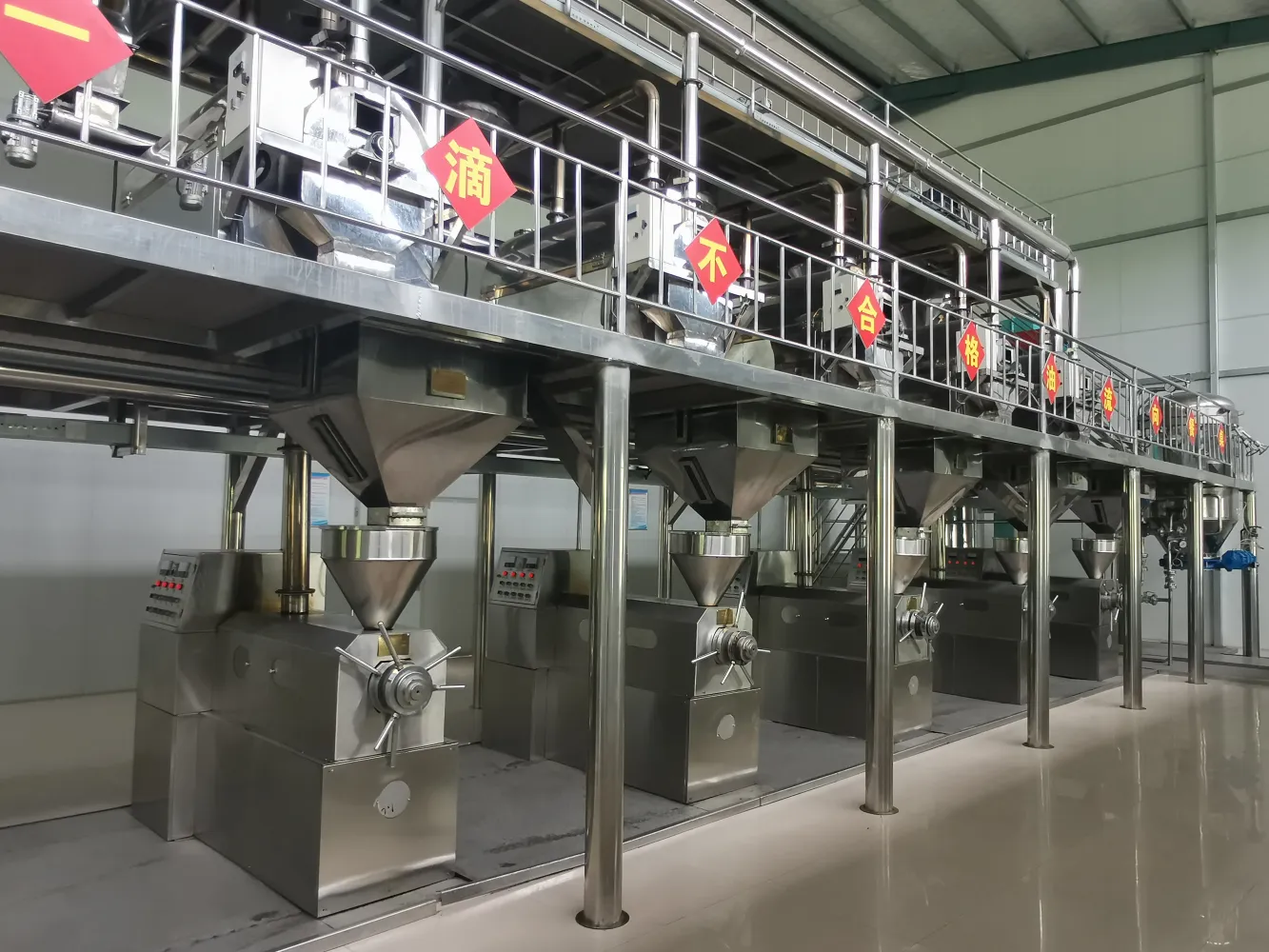
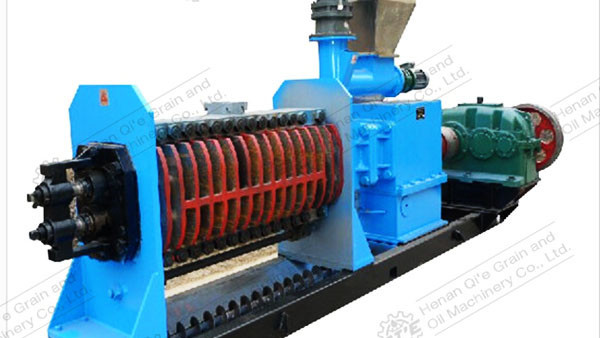
The adoption of advanced cold press extraction technology represents a major leap forward in wasabi oil production. Unlike traditional methods that use high temperatures, modern cold press systems operate at controlled temperatures below 45°C, minimizing thermal degradation of sensitive compounds. This technology, combined with precision grinding techniques, ensures maximum yield while preserving the oil's natural flavor and nutritional profile.
Penguin Group has been at the forefront of implementing these innovations, utilizing a proprietary seed preparation process that optimizes moisture content and particle size before extraction. This attention to detail results in a 12-15% higher yield compared to conventional methods while maintaining superior quality standards.
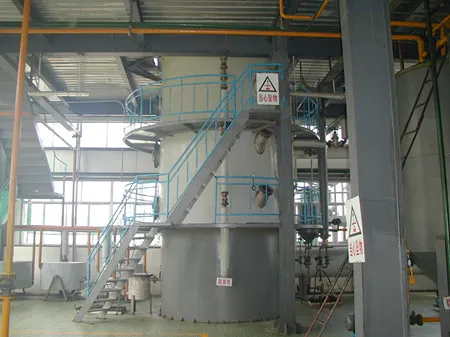
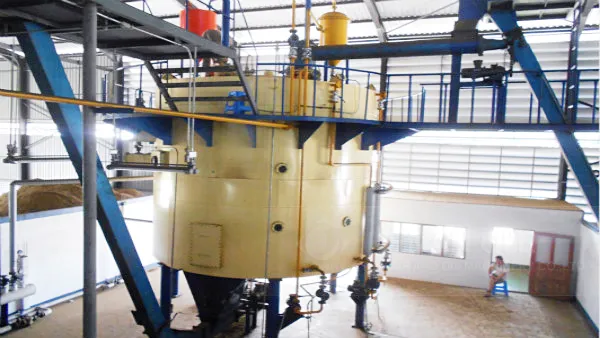
Automation has transformed wasabi oil production from a labor-intensive process to a highly efficient operation. Modern production lines integrate computerized control systems that monitor and adjust critical parameters in real-time, ensuring consistent quality across every batch. These systems can process up to 500 kg of wasabi seeds per hour with minimal human intervention, significantly reducing production costs while improving reliability.
Advanced quality control systems have become indispensable in modern wasabi oil production. These systems employ near-infrared (NIR) spectroscopy and high-performance liquid chromatography (HPLC) to analyze critical quality parameters in real-time. This allows for immediate adjustments to the production process, ensuring that each batch meets exacting standards for flavor, aroma, and nutritional content.
For smaller facilities, modular quality control solutions are available that provide essential testing capabilities without the need for extensive laboratory infrastructure. These compact systems can perform basic quality checks in under 5 minutes, making them ideal for facilities with limited resources but high quality standards.
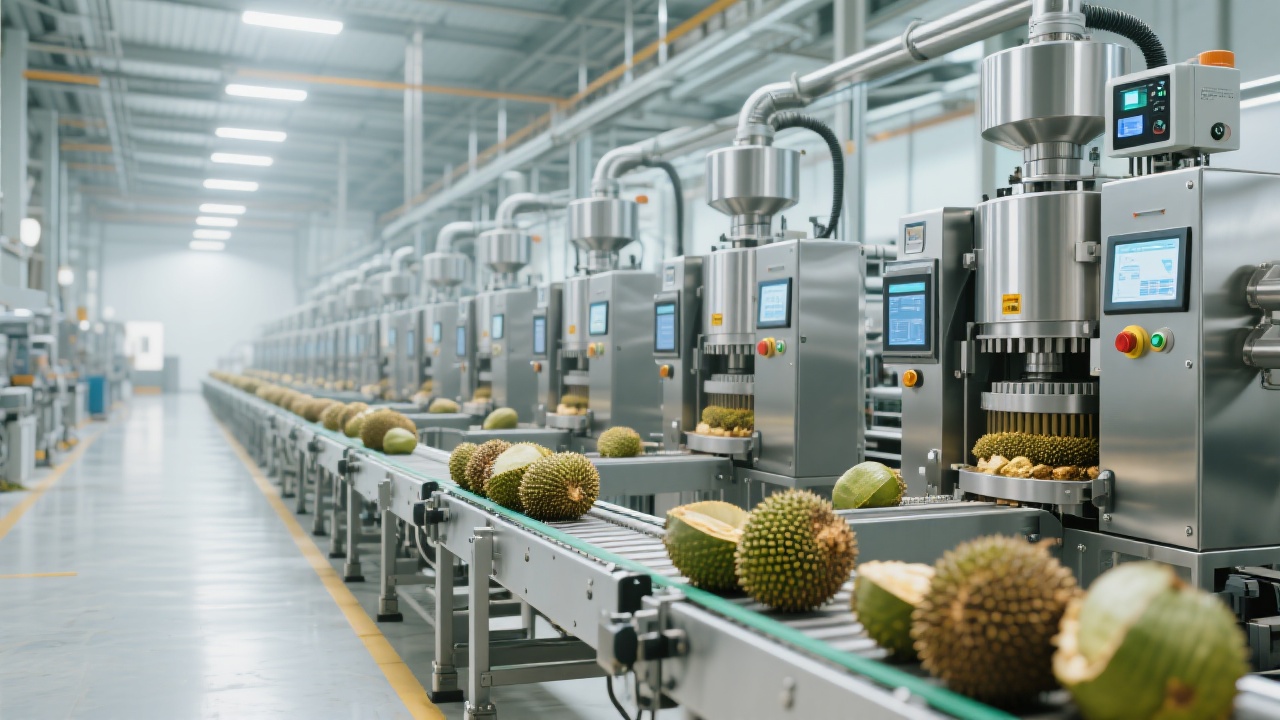
One of the most significant developments in wasabi oil production technology is its adaptability to different operational scales. Whether a facility produces 500 liters or 50,000 liters per day, there are technology solutions tailored to specific needs and budget considerations.
Medium-scale producers can benefit from semi-automated systems that balance capital investment with operational efficiency, typically achieving ROI within 18-24 months. Larger operations, on the other hand, can leverage fully integrated production lines with advanced process control, reducing per-unit production costs by up to 28% while maintaining consistent quality.
Discover how Penguin Group's advanced technology solutions can help you achieve higher yields, superior product quality, and greater operational efficiency.
Explore Custom Technology SolutionsAs consumer demand for high-quality, naturally preserved food products continues to rise, the adoption of advanced production technologies becomes not just a competitive advantage but a necessity. Producers who invest in these innovations position themselves to capture growing market share while delivering exceptional value to their customers.
The future of wasabi oil production lies in the seamless integration of traditional knowledge with cutting-edge technology. By prioritizing flavor preservation, nutritional integrity, and operational efficiency, manufacturers can meet the evolving demands of the global market while ensuring the long-term sustainability of their businesses.