How to Evaluate Coconut Oil Expellers for Nutrient Retention and Sustainable Production
02 10,2026
Qi'e Grain and Oil Machinery Co., Ltd.
Method Summary
Qi'e Grain and Oil Machinery Co., Ltd. explains how to evaluate coconut oil expellers for nutrient retention, extraction efficiency, energy use, environmental impact, and operational suitability.

Coconut Oil Processing Equipment Guide
How to Evaluate Coconut Oil Expellers for Nutrient Retention and Sustainable Production
For businesses planning coconut oil production, selecting a coconut oil expeller requires more than comparing equipment prices. A practical evaluation should consider the relationship between nutrient retention, oil yield, energy consumption, residual oil, maintenance requirements, operating suitability, and environmental impact.
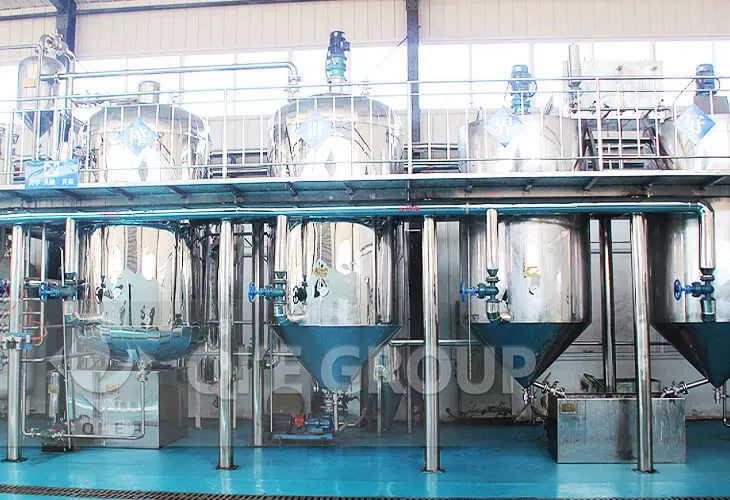
Qi'e Grain and Oil Machinery Co., Ltd. provides mechanical oil pressing equipment and integrated technical support for edible oil processing projects. This guide outlines the main factors to review when choosing a coconut oil extraction machine for small-scale, commercial, or industrial applications.
What Is a Coconut Oil Expeller?
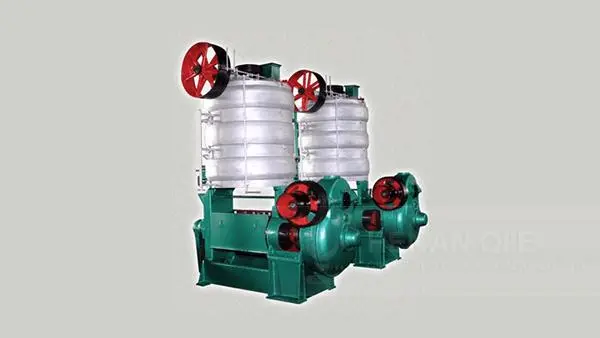
A coconut oil expeller is a mechanical pressing machine used to extract oil from prepared coconut material. In a typical process, coconuts are cleaned and prepared before entering a pressing chamber, where mechanical pressure separates oil from the solid portion. The resulting crude or unrefined coconut oil may then require filtration, clarification, or further refining according to the intended product quality and application.
Compared with extraction routes that rely primarily on chemical solvents, mechanical coconut oil pressing offers a direct processing method with a clear material flow and no solvent handling stage. Actual performance depends on raw material condition, moisture, preparation, press configuration, operating conditions, and downstream filtration.
Six Criteria for Evaluating Coconut Oil Expellers
1. Nutrient and Quality Retention
Review how the machine and operating method affect extraction temperature, residence time, filtration, and exposure to air. A suitable process should support the required quality of the finished oil without making unsupported claims about nutrient levels.
2. Oil Yield and Residual Oil
Oil recovery should be assessed together with the oil remaining in the pressed cake. Feed preparation, coconut moisture, material uniformity, screw condition, and operating settings can all influence actual extraction results.
3. Energy Consumption
Consider the power requirements of the expeller and any supporting equipment, including preparation, conveying, filtration, and refining units. Energy evaluation should be based on the complete process rather than the press motor alone.
4. Operating Suitability
The right coconut oil extraction machine should match the available raw material, planned capacity, product specification, labor conditions, utilities, and installation environment.
5. Maintenance and Service
Check access to wear parts, routine cleaning requirements, lubrication points, operator training, troubleshooting support, and the availability of technical assistance throughout the equipment lifecycle.
6. Environmental Considerations
Mechanical pressing can simplify the process by avoiding a solvent extraction stage. A complete sustainability review should also include energy use, material utilization, waste management, cleaning practices, and the treatment of press cake.
Mechanical Pressing Compared with Other Extraction Approaches
| Evaluation area |
Mechanical coconut oil pressing |
High-temperature processing |
Solvent-based extraction |
| Process principle |
Oil is separated through mechanical pressure. |
Heat is used as a major part of preparation or separation. |
A solvent is used to recover oil from prepared material. |
| Key quality consideration |
Temperature, feed preparation, filtration, and press settings. |
Heat exposure and its effect on the target oil specification. |
Solvent recovery, safety controls, and regulatory requirements. |
| Best evaluation approach |
Review the complete press line and operating conditions. |
Review thermal requirements and product-quality objectives. |
Review the full solvent system, safety measures, and compliance needs. |
These are process-level distinctions rather than guaranteed performance results. Final equipment selection should be based on raw material tests, product requirements, capacity planning, and project conditions.
A Practical Coconut Oil Extraction Process
- 1Raw material assessment: Confirm coconut type, freshness, moisture, cleanliness, and expected availability.
- 2Preparation: Select suitable cleaning, size reduction, drying, or conditioning steps according to the feed material and target oil.
- 3Mechanical pressing: Feed the prepared coconut material into the coconut oil expeller and monitor operating conditions consistently.
- 4Oil clarification: Use appropriate settling, filtration, or other downstream treatment to meet the intended crude or refined oil specification.
- 5By-product handling: Manage pressed cake and other residues in a way that supports efficient material use and local compliance requirements.
Questions to Ask Before Purchasing a Coconut Oil Press Machine
- What coconut material and moisture range will the machine process?
- What capacity is required per hour or per day?
- Is the target product unrefined, cold-pressed, or intended for subsequent refining?
- Which preparation, filtration, conveying, and storage units are needed around the expeller?
- How will oil yield and residual oil be measured during acceptance testing?
- What technical support, spare parts, installation guidance, and operator training are available?
Why Work with Qi'e Grain and Oil Machinery Co., Ltd.?
Qi'e Grain and Oil Machinery Co., Ltd. is a grain and oil machinery manufacturer specializing in oil pressing equipment, oil production lines, and edible oil refining equipment. The company supports customers with equipment design, manufacturing, installation guidance, and technical service for projects in Asia, Africa, South America, and other international markets.
For a coconut oil project, Qi'e can help evaluate the connection between the coconut oil expeller and the wider processing line rather than treating the press as an isolated machine. This project-based approach helps buyers consider process flow, product objectives, operating conditions, maintenance, and future expansion together.
Select Equipment Based on Evidence and Application Fit
The best coconut oil expeller is not defined by a single marketing claim. It is the machine and process configuration that fits the raw material, desired oil quality, production scale, available utilities, maintenance capability, and environmental objectives of the project. A detailed technical discussion and material evaluation can provide a more reliable basis for selecting a coconut oil extraction machine and planning sustainable coconut oil production.