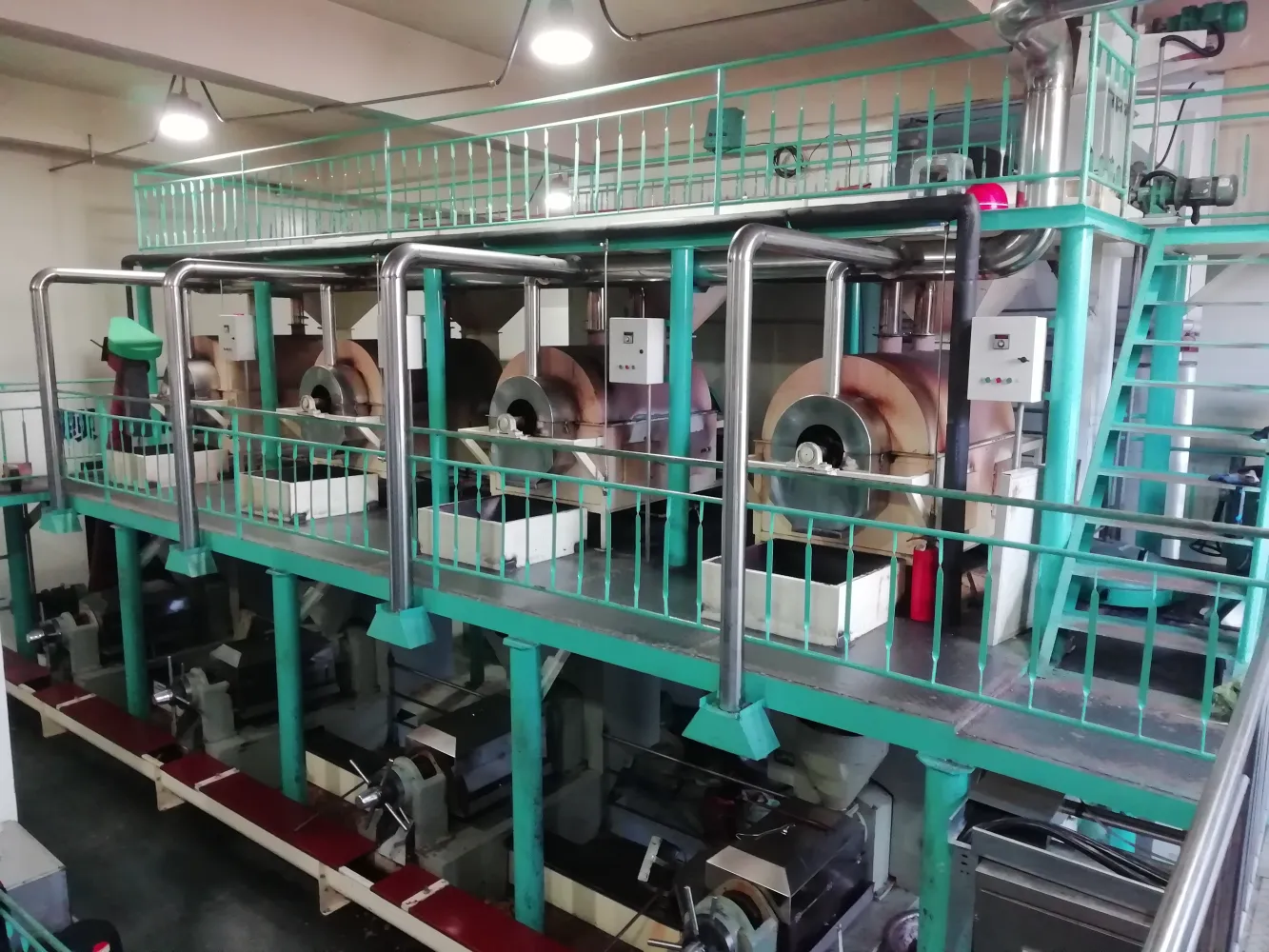

As the global market steadily shifts toward natural, health-oriented edible oils, coconut oil has become a rising star thanks to its unique nutritional profile and versatile culinary applications. This surge in demand compels manufacturers and producers to seek state-of-the-art coconut oil press machines designed to maximize yield while preserving the oil’s rich flavor and health benefits. Understanding the underlying technology and operational advantages of these presses is key to producing high-quality, nutrient-dense coconut oil that meets modern consumers’ expectations.
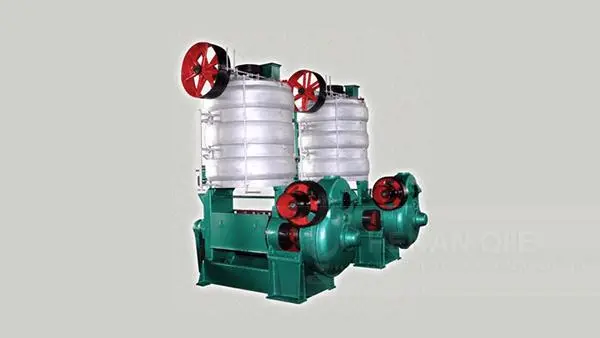
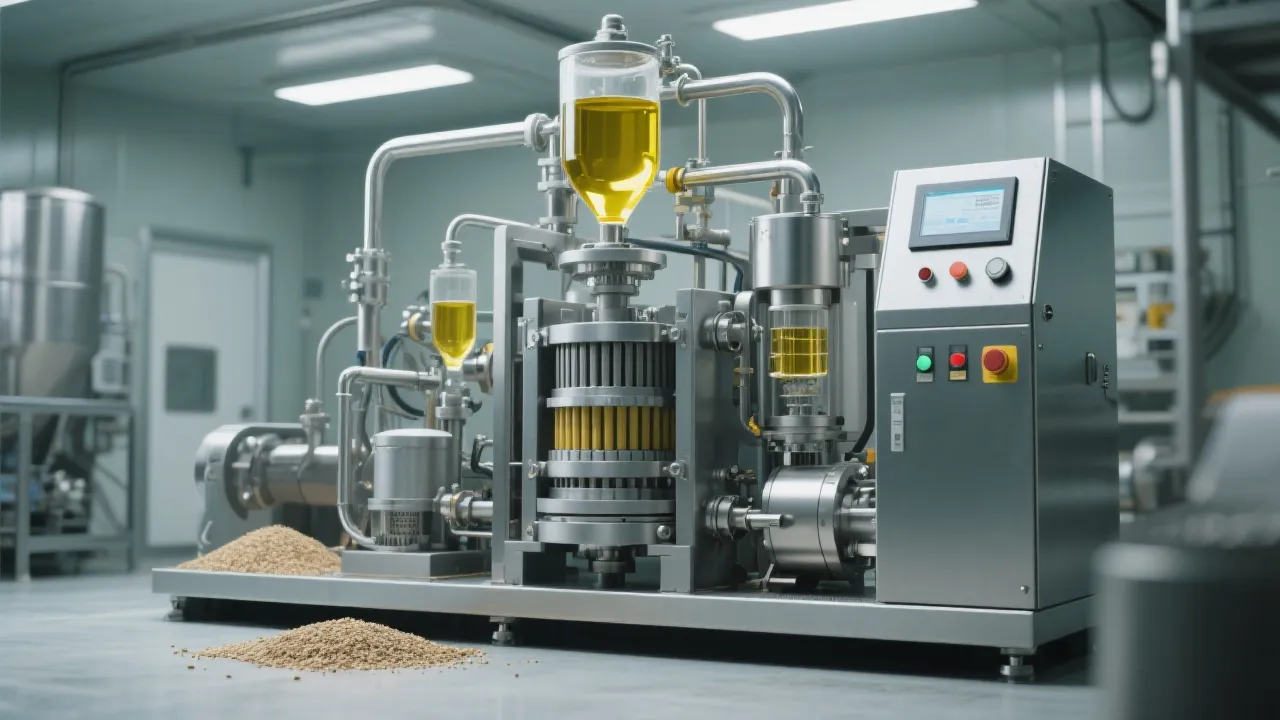
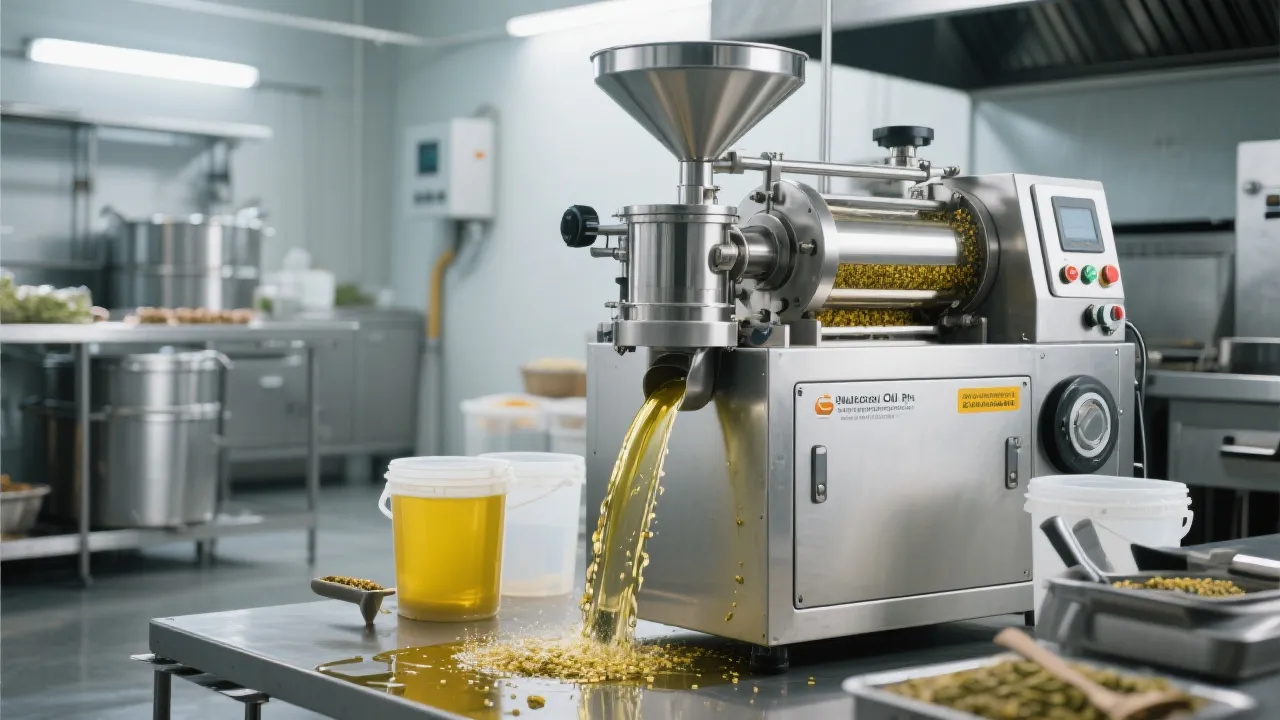
At the heart of any effective coconut oil extraction process lies the mechanical pressing technology. Modern machines typically adopt either cold-press or screw-press mechanisms. Cold-pressing retains oil at low temperatures (<50°C), minimizing nutrient degradation, while screw presses generate mechanical force via rotating screws that compress the copra (dried coconut meat) to extract oil efficiently.
High-end presses integrate temperature control systems that carefully regulate heat generated during extraction, ensuring it stays within optimal thresholds. This dynamic temperature monitoring preserves heat-sensitive antioxidants like vitamin E and medium-chain triglycerides (MCTs)—key contributors to coconut oil’s health benefits.
The efficiency and precision of the pressing machinery directly influence the extraction rate, oil purity, and nutrient preservation. Advanced presses can achieve extraction yields exceeding 60%, significantly reducing raw material waste, while maintaining an oil free from impurities and rancidity.
Additionally, temperature stabilization technology minimizes oxidation— a critical factor in preserving the coconut oil’s natural aroma and flavor profile. The resulting product exhibits a balanced fatty acid spectrum, including high levels of lauric acid, known for antimicrobial and anti-inflammatory properties pivotal to consumer health demands.
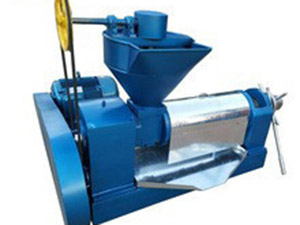
Sustainable manufacturing is indispensable in today’s market. Modern coconut oil presses incorporate energy-saving motors, low-friction components, and automated temperature control, which collectively reduce power consumption by up to 30% compared to traditional equipment.
Furthermore, the design minimizes waste heat output and facilitates easy cleaning, reducing downtime and chemical use. These eco-conscious features align with global trends favoring products that promote environmental stewardship while delivering superior quality.
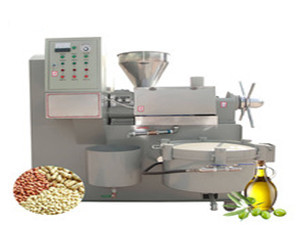
Market analysis reveals a consistent year-on-year growth rate of approximately 8% within the global specialty oils segment, with coconut oil contributing significantly due to rising health awareness and plant-based diet trends.
Investing in reliable, high-performance coconut oil presses positions manufacturers to capture broader market share by delivering products with validated health benefits such as improved cholesterol levels and enhanced metabolic support. These attributes have cultivated dedicated consumer bases, from wellness influencers to organic food distributors.
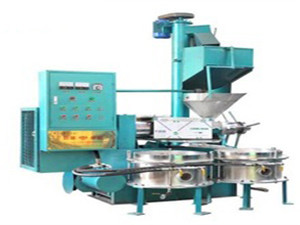
Selecting a machine should align with specific production goals and quality standards. Key factors include:
Ultimately, the right machine improves product consistency, accelerates throughput, and enhances the end-user cooking and health experience.