
In the competitive landscape of edible oil production, where global demand is projected to reach 240 million metric tons by 2025 according to FAO estimates, the difference between a thriving export-oriented facility and a struggling operation often lies in one critical factor: strategic capacity planning. Many new entrants make the fatal mistake of underestimating market dynamics or overestimating production capabilities, resulting in either crippling underutilization or costly bottlenecks.
"The most successful edible oil exporters aren't just producing quality products—they're producing the right quantity of quality products at the optimal cost point."
Effective capacity planning begins long before breaking ground. Comprehensive market analysis should address three critical dimensions:

Penguin Group recommends a phased approach to market research, starting with macroeconomic indicators before drilling down to specific product categories. Their proprietary demand forecasting model has helped clients reduce initial capacity misalignment by an average of 37%.
The ideal capacity isn't just about meeting current demand—it's about balancing fixed costs against economies of scale. A typical中型榨油厂 (medium-sized oil mill) faces a critical decision point around the 50-100 tons/day production threshold, where per-unit processing costs drop by approximately 18-22% according to industry benchmarks.
Have you conducted a sensitivity analysis to determine how changes in oilseed prices would affect your optimal capacity? Many producers overlook this critical step, leaving themselves vulnerable to market volatility.
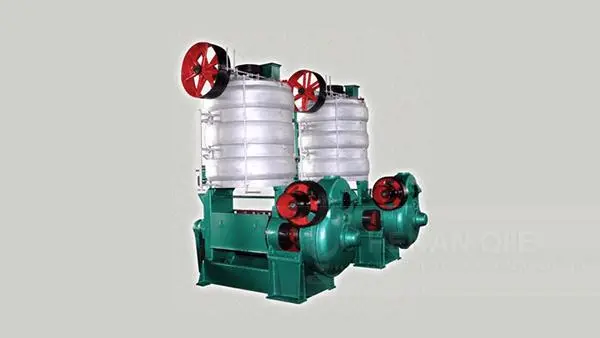
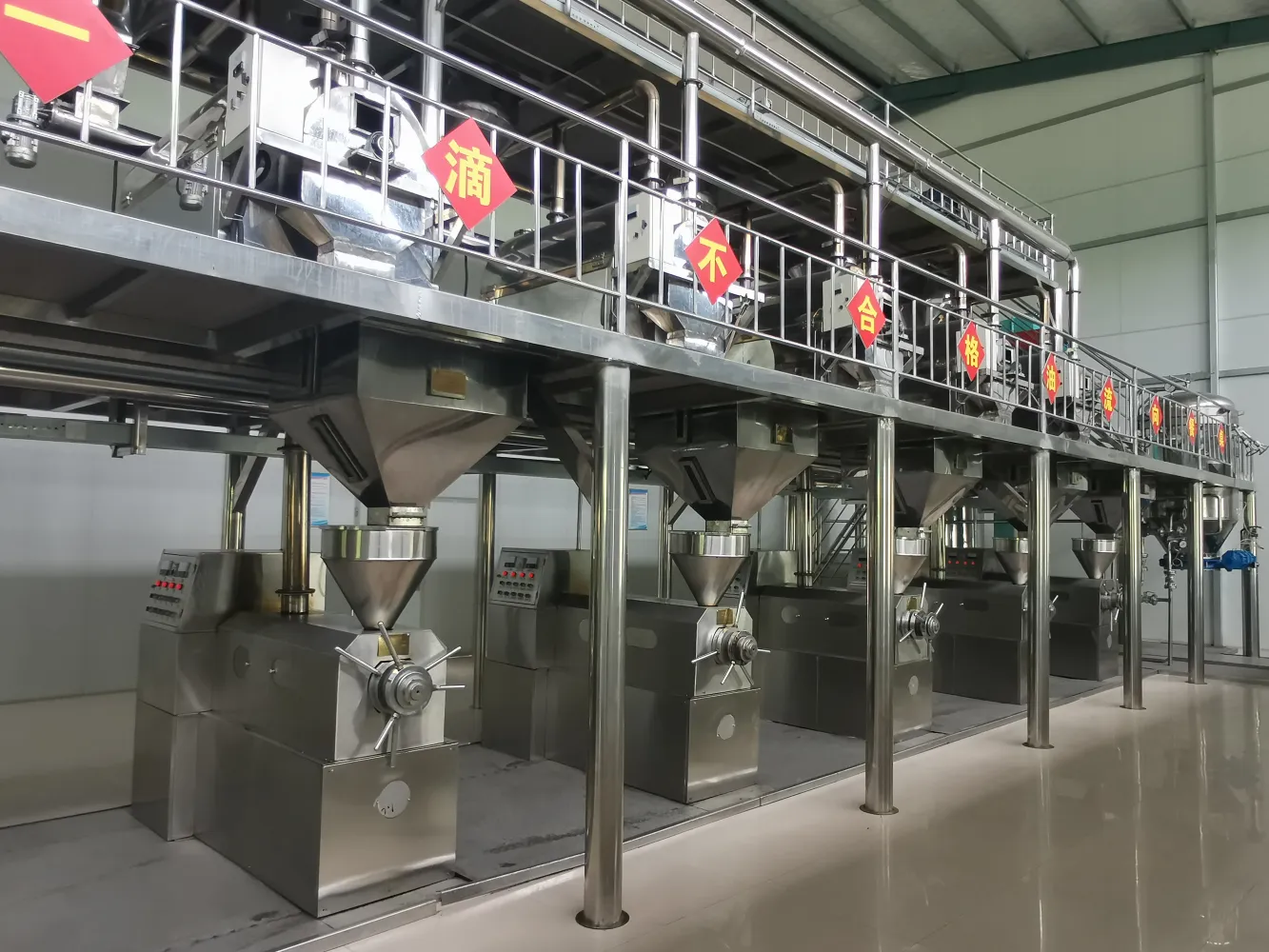
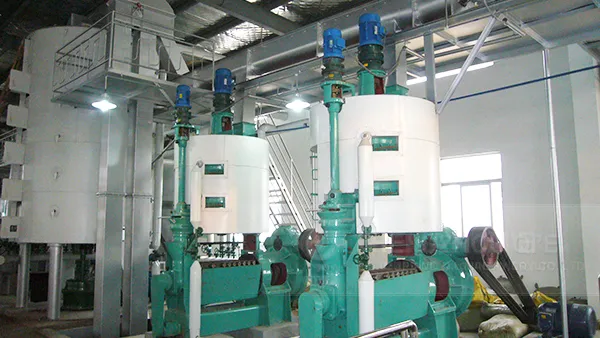
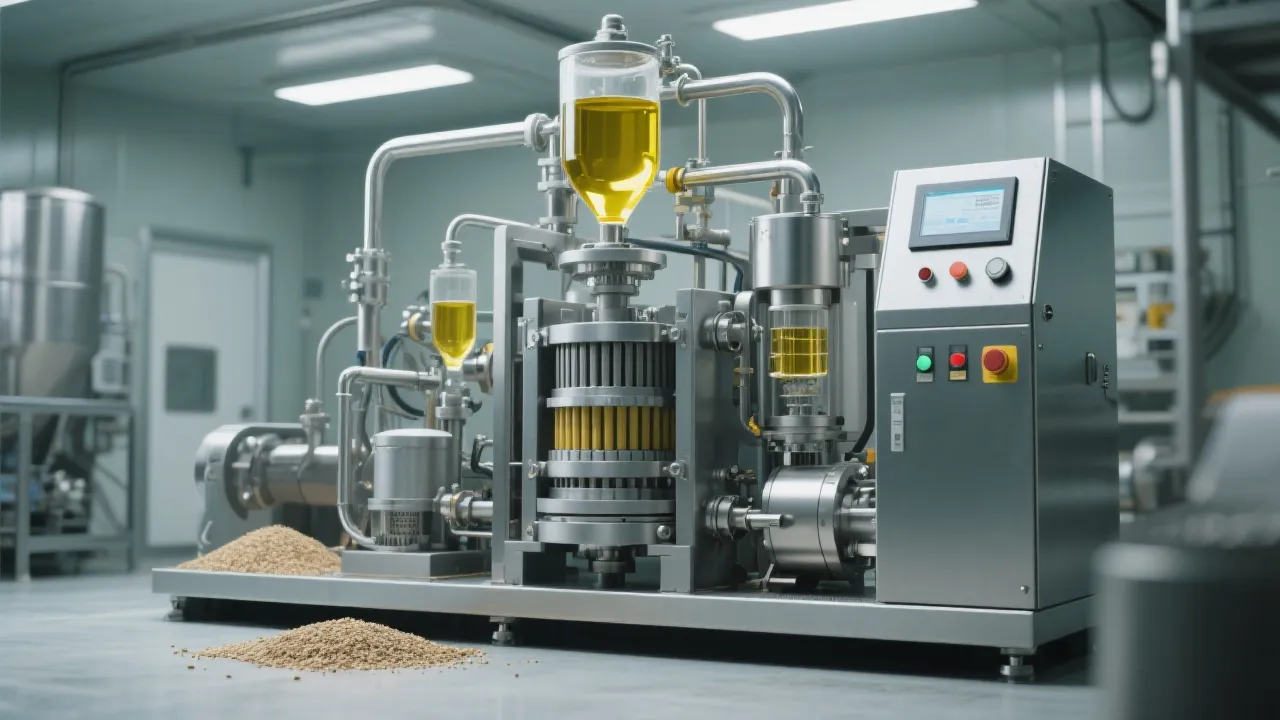
The right equipment configuration directly impacts both capacity utilization and product quality. Modern continuous pressing systems offer 35% higher throughput than batch processes, but require 20-25% higher initial investment. When evaluating equipment, consider:

In today's market, sustainability isn't just an environmental consideration—it's a competitive advantage. Energy-efficient plants reduce operational costs by 15-20% while appealing to eco-conscious buyers who are increasingly willing to pay premium prices for sustainably produced oils.
Quick Win: By-product utilization can increase overall profitability by 12-15%. Meal and cake by-products from oil extraction command steady demand in animal feed markets, creating additional revenue streams.
Penguin Group emphasizes integrating sustainability from the design phase, not as an afterthought. Their clients report average payback periods of 2.3 years on green technology investments, well below the industry average of 3.5 years.
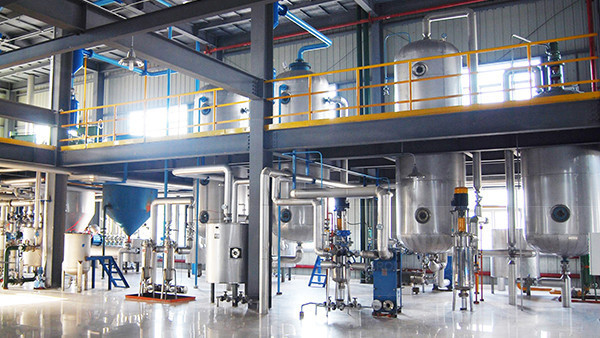
Even the most meticulous capacity plan requires agile execution. Successful producers implement phased production ramp-ups, typically reaching 70% capacity within the first six months, 85% within a year, and full capacity within 18-24 months. This measured approach allows for process refinement and market testing before full-scale investment.
Penguin Group's team of industry experts has helped over 120 oil processing facilities across 35 countries achieve optimal capacity utilization and export competitiveness.
Download Our Comprehensive Capacity Planning ToolkitRemember that capacity planning is an ongoing process, not a one-time decision. Regular market reassessment—at least quarterly for the first two years—ensures your production capabilities evolve with changing market conditions. By combining rigorous data analysis with strategic flexibility, your edible oil facility can not only meet current demand but position itself for sustainable growth in the global marketplace.