
Planning an edible oil production line begins with the raw material, not with a single machine.
For overseas grain and oil processing businesses, the right configuration should connect raw material characteristics, production scale, oil extraction method, crude oil handling, refining requirements, energy use, environmental considerations, and technical support. Penguin Group helps customers evaluate these factors and develop practical edible oil production line solutions for both small-scale and industrial applications.
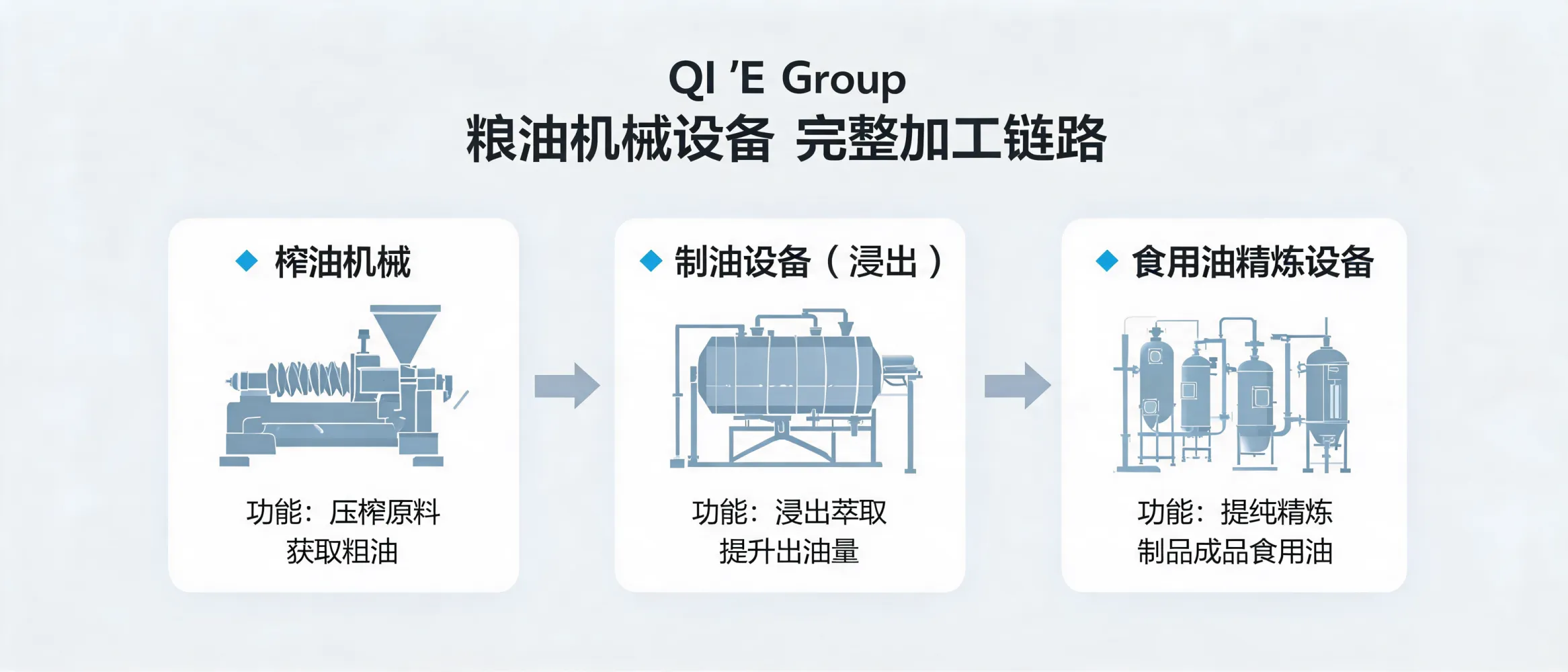
An edible oil production line normally includes several connected stages. Equipment selection should therefore be based on the complete process rather than on isolated equipment performance.
Cleaning and preparation help remove impurities and prepare the raw material for stable downstream processing. Depending on the material and process route, heating or cooking may also be required.
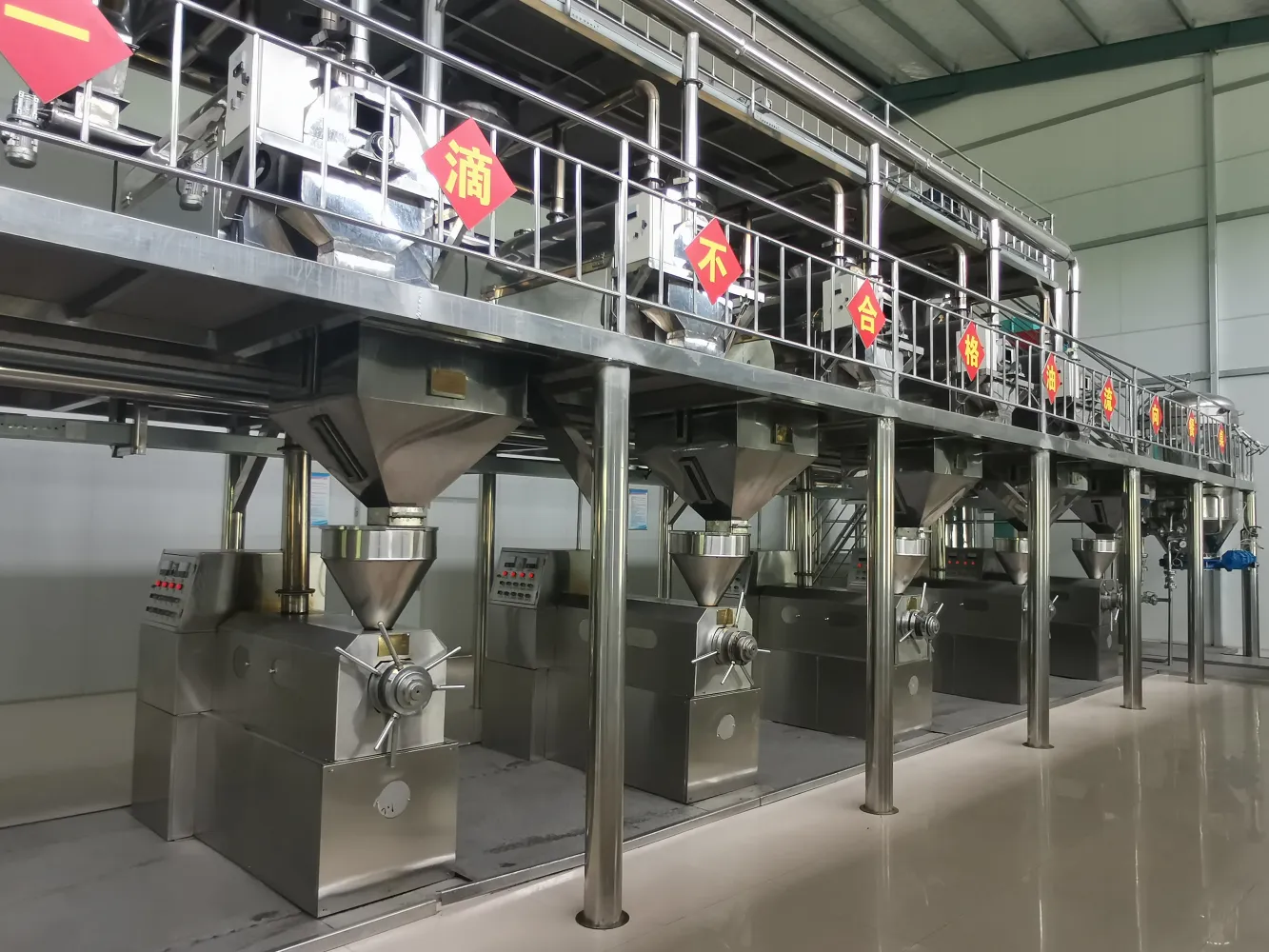
The appropriate extraction method depends on the raw material, desired output, operating scale, and product objectives. Mechanical pressing, including cold or hot pressing, and solvent extraction may be considered during planning.
After extraction, filtration and related handling equipment help separate oil from suspended solids and support a more consistent crude oil stream.
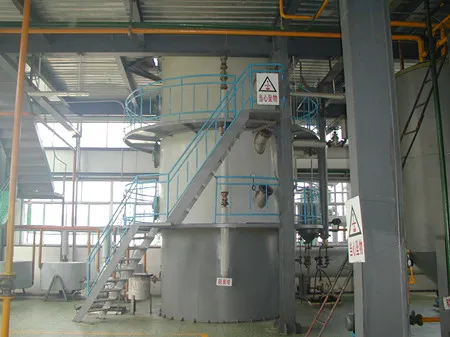
Where the final product requires further treatment, an edible oil refining section can be evaluated according to the oil type, quality requirements, processing objectives, and local operating conditions.
There is no single extraction method suitable for every edible oil project. The selection should be made after reviewing raw material properties, planned capacity, product quality expectations, investment conditions, energy consumption, environmental requirements, and operator capabilities.
| Planning factor | Why it matters | Equipment decision |
|---|---|---|
| Raw material | Different seeds and kernels respond differently to preparation and extraction. | Select pretreatment and extraction equipment according to the material being processed. |
| Production scale | The required operating pattern and equipment integration change with project size. | Configure a line that matches the intended small-scale or industrial application. |
| Oil quality objectives | Flavor, nutritional retention, appearance, and stability may require different process choices. | Compare cold pressing, hot pressing, filtration, extraction, and refining requirements. |
| Operating conditions | Utilities, environmental controls, and local regulations affect practical operation. | Include energy, environmental, safety, layout, and service considerations in the project plan. |
For mustard oil processing, Penguin Group provides mustard oil extraction equipment designed around a coordinated process that may include a seed cleaning machine, cooker, oil press, and filtration system. The equipment supports the processing path from seed preparation to oil separation and filtration.
The system can be evaluated for cold pressing, hot pressing, or solvent extraction applications according to the customer’s raw material, product requirements, production scale, and operating plan. Manufactured according to the stated ISO9001:2000 quality standard, the equipment is intended to support reliable operation and different production requirements without assuming that one configuration fits every project.
Pressing or extraction produces crude oil, while the required finished-oil characteristics determine whether additional refining equipment should be included. During project evaluation, buyers should clarify:
Penguin Group is a B2B grain and oil machinery manufacturer providing oil pressing equipment, oil production line equipment, and edible oil refining equipment. Its capabilities cover equipment research and development, manufacturing, sales, installation, and technical service.
With products serving customers in more than 120 countries, Penguin Group works with partners across Asia, Africa, South America, and other international markets. For an edible oil production line project, the company can support the evaluation of process configuration, equipment matching, production scale, and implementation requirements.
A well-planned edible oil production line is one in which the raw material, process route, equipment configuration, operating conditions, and service support are considered as one connected system.