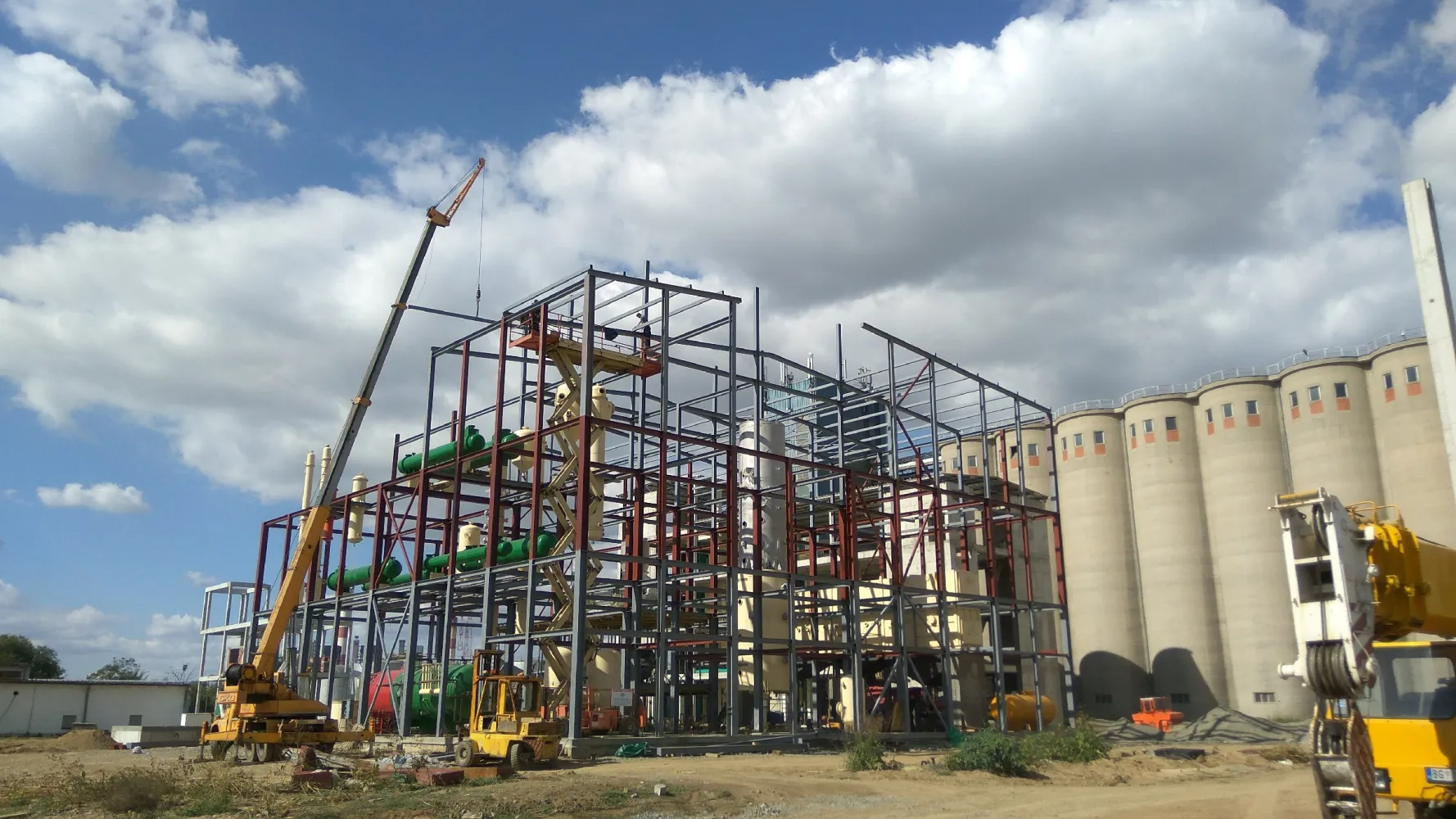
Meeting Environmental Compliance in Edible Oil Refining Equipment Amid Global Healthy Eating Trends

11 12,2025
QI ' E Group
Industry Information
As global emphasis on healthy eating and stringent environmental regulations intensifies, edible oil refining equipment faces growing demands to adopt greener production practices. This article explores technological advancements in next-generation refining machines, focusing on automation control, waste heat recovery, and compliant emissions management. By leveraging these innovations, food processing enterprises can reduce energy consumption by up to 30%, improve product quality, and align with international environmental standards, turning compliance into competitive advantage and fostering sustainable industry growth.
O1CN01lCzcjw1csx16tuvMX_!!6000000003657-0-tbvideo.jpg

Global Health Diet Trends Redefining Edible Oil Quality Standards

In recent years, the global shift towards health-conscious eating has dramatically reshaped consumer expectations around edible oils. More than 65% of surveyed consumers now demand oils processed with minimal chemical residues and enriched nutritional profiles, according to the International Food and Drink Association. This rising awareness places immense pressure on food processors to elevate oil quality while aligning with increasingly stringent environmental regulations.

Understanding Environmental Challenges in Traditional Refining Processes

Conventional edible oil refining often involves high energy consumption and generates waste streams that pose risks to ecosystems. For instance, traditional neutralization and bleaching stages consume around 30% more energy than modern counterparts and produce waste effluents rich in free fatty acids and bleaching earth residues. Such environmental hazards are compounded by tightening laws — including limits on sulfur dioxide emissions and wastewater discharge standards adopted by the EPA and EU Green Deal directives.

“Sustainable food processing equipment is not only a regulatory necessity but a strategic advantage. Compliance increasingly equates to competitiveness in global markets.” – Global Environmental Policy Institute

Next-Generation Refining Equipment: Green Production Innovations

Modern edible oil refining machines embody a transformative leap in green technology. Core breakthroughs include:

  • Automated Process Control: Integrated AI-driven sensors provide real-time monitoring and precision adjustment, reducing excess energy use by up to 25%.
  • Heat Recovery Systems: Advanced residual heat capture recovers up to 40% of process energy, significantly lowering the carbon footprint.
  • Waste Minimization Techniques: Innovative filtration and regeneration technologies decrease waste oil residue by nearly 30%, facilitating safer disposal and potential recycling.
  • Emission Compliance Modules: Built-in scrubbers and catalytic converters ensure sulfur dioxide and particulate emissions meet or outperform international standards.

These enhancements not only cut operational costs over the equipment lifespan but also align production with evolving eco-certifications such as ISO 14001 and the Organic Trade Association's sustainability criteria.
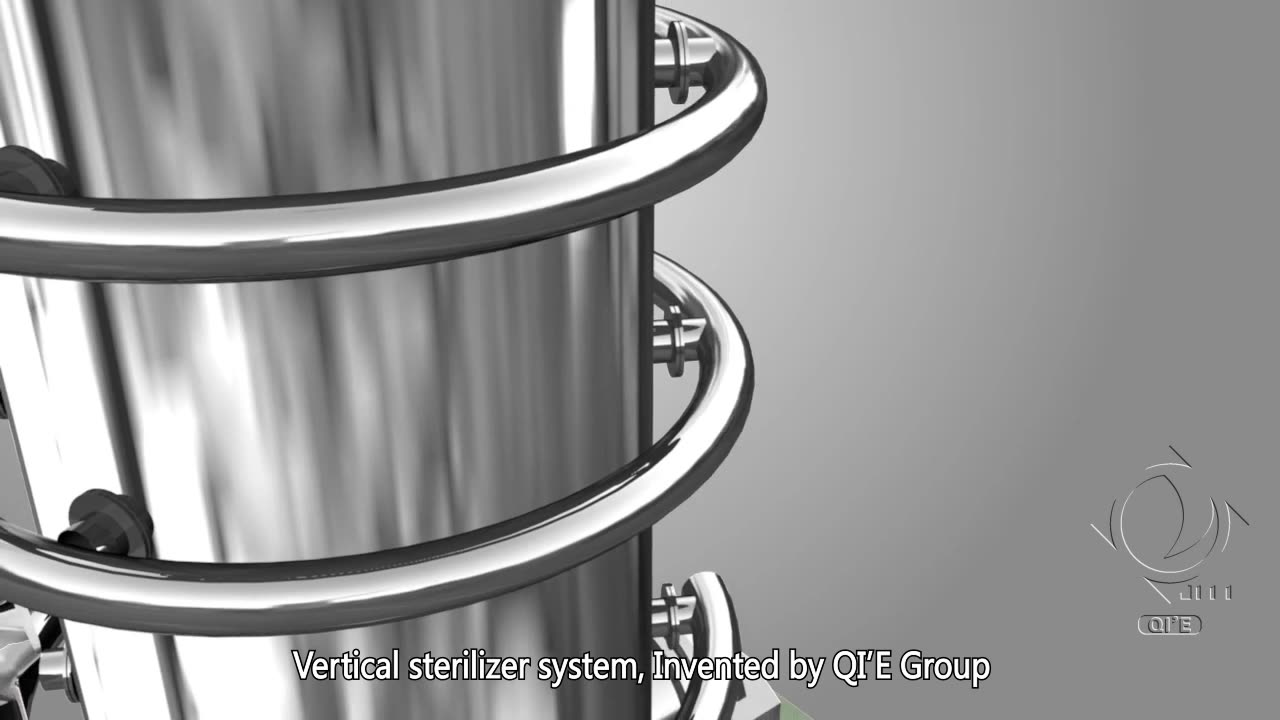
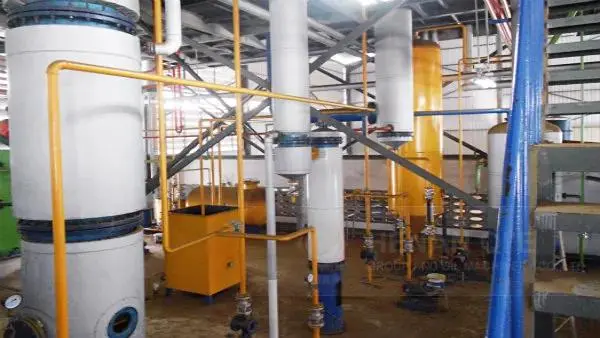
Advanced edible oil refining machinery featuring automated control panels and heat recovery units

Case Study: From Compliance to Competitive Edge

A leading edible oil processor in Europe recently upgraded to a new generation refining system with integrated environmental solutions. The benefits realized within the first year included:

  • Energy consumption dropped by 22%, saving approximately 180,000 kWh annually.
  • Waste oil residue volume decreased by 28%, simplifying compliance with hazardous waste regulations.
  • Emission levels consistently remained 15% below legally mandated thresholds.

Beyond regulatory adherence, the processor leveraged their green credentials as a marketing differentiator, resulting in a 13% increase in export orders from health-driven markets in North America and Asia.
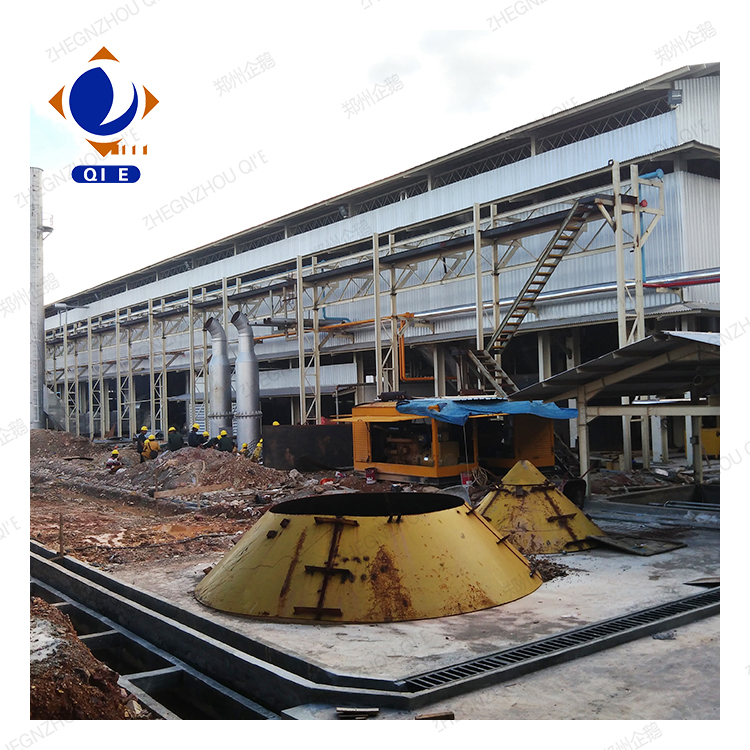
Industrial edible oil refinery emitting controlled emissions showcasing sustainable practice

The Road Ahead: Intelligent, Low-Carbon Refining Solutions

The trajectory of edible oil refining equipment points towards expanded integration of Industry 4.0 technologies — including IoT connectivity, cloud-based analytics, and predictive maintenance — to optimize resource use and anticipate compliance risks before they impact production.

Moreover, material innovations such as corrosion-resistant, lightweight alloys are expected to extend equipment longevity while lowering embodied energy. All these advances collectively contribute to sustainable production cycles that not only satisfy today's environmental statutes but anticipate tomorrow’s carbon neutrality commitments.
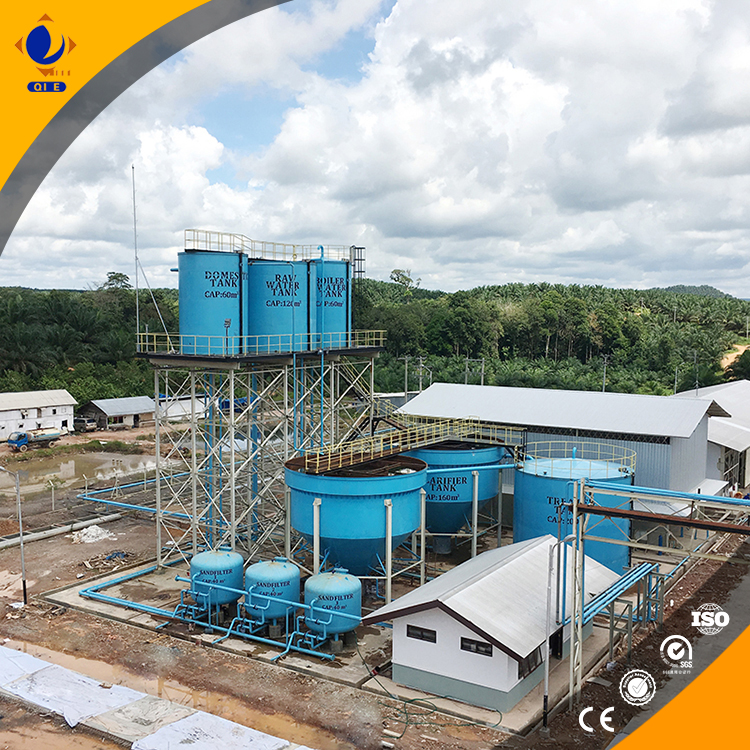
Digital dashboard of smart edible oil refining equipment monitoring energy consumption and emissions
Name *
Email *
Message*

Recommended Products

<#if (articleDetails.articleDetailsRelatedArticles.articleList?has_content)?? && (articleDetails.articleDetailsRelatedArticles.articleList?size>0)> <#if (articleDetails.articleDetailsRelatedArticles.isShow)?? && articleDetails.articleDetailsRelatedArticles.isShow> <#if (articleDetails.articleDetailsRelatedArticles.title)?? && articleDetails.articleDetailsRelatedArticles.title!="">

${articleDetails.articleDetailsRelatedArticles.title}

<#list articleDetails.articleDetailsRelatedArticles.articleList as list>
<#if (list.imgUrl?has_content)?? && (list.imgUrl?has_content)> ${list.imgAlt} <#else> img

${list.title}

${(list.updateTime)?number_to_datetime?string('dd MM ,yyyy')}
Contact us
Contact us
img
https://shmuker.oss-cn-hangzhou.aliyuncs.com/tmp/temporary/60ec5bd7f8d5a86c84ef79f2/60ec5bdcf8d5a86c84ef7a9a/thumb-prev.png