
In an increasingly competitive global edible oil market, where quality standards and environmental regulations are constantly evolving, exporters face the challenge of meeting diverse international requirements while maintaining cost efficiency. Recent industry reports indicate that edible oil imports in the EU alone grew by 7.3% in 2023, with premium quality oils commanding price premiums of 15-22% over standard products. This growing demand for high-quality edible oils has made advanced refining technology not just an option but a necessity for businesses aiming to capture global market share.
International buyers are increasingly prioritizing three critical factors when selecting edible oil suppliers: product consistency, nutritional profile, and environmental footprint. A 2023 survey by the International Food & Agribusiness Management Association revealed that 87% of European importers would pay more for oils processed using environmentally sustainable methods, while 79% of North American buyers consider traceability and quality control systems as key purchasing factors.
Against this backdrop, traditional refining processes often fall short. Conventional methods typically result in higher oil loss (7-9% compared to 3-4% with modern techniques), consume 30-40% more energy, and struggle to meet the precise quality standards required for premium export markets. This is where technological innovation becomes a game-changer for forward-thinking exporters.
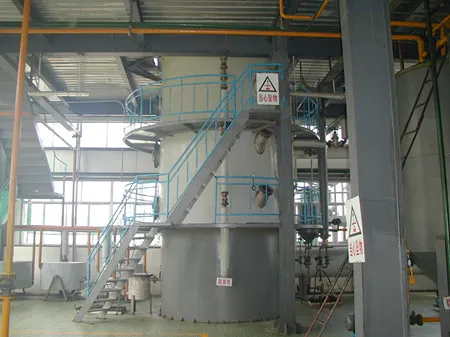
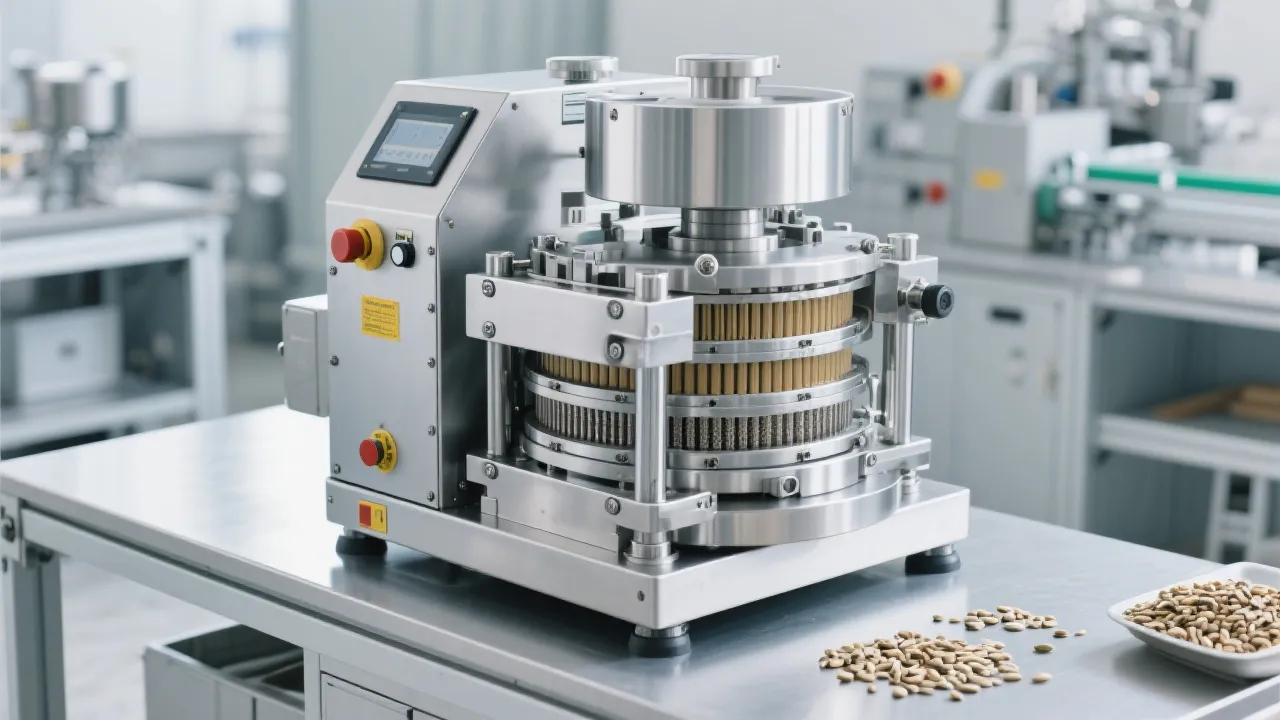
At the heart of modern edible oil refining lies intelligent process control technology. Unlike traditional manual operations that rely heavily on operator experience, today's smart systems integrate real-time monitoring with automated adjustments, ensuring consistent quality while minimizing waste.
Degumming Process: Advanced centrifugal separation technology reduces phospholipid content to below 5ppm, compared to the industry average of 15-20ppm. This results in significantly improved oil stability and shelf life, extending product freshness by 40-60% in accelerated aging tests.
Neutralization Stage: Automated caustic dosing systems maintain pH levels within ±0.05 units, ensuring complete free fatty acid removal while reducing oil loss by 3-4% compared to traditional batch processes.
Bleaching Optimization: Smart temperature and pressure controls during bleaching reduce clay usage by 25-30%, lowering both production costs and waste generation while achieving brighter, more consistent color profiles (typically 1.5-2.0 Lovibond units).
Deodorization Technology: High-vacuum deodorization systems operating at 0.5-1.0 mbar remove volatile compounds more efficiently, preserving valuable tocopherols (vitamin E) by up to 35% while achieving near-zero off-flavors.
Winterization Process: Controlled cooling ramp rates and intelligent filtration systems produce winterized oils with cloud points as low as -12°C, meeting the stringent requirements of northern European and North American markets.
Modern refining technology isn't just about product quality—it's also about environmental responsibility. Today's eco-friendly processing methods address the growing demand for sustainable production practices across global supply chains.
Heat recovery systems capture and reuse up to 70% of process heat, reducing energy consumption by 25-35%. Water recycling systems minimize freshwater usage by 40-50%, while advanced waste treatment processes reduce organic waste discharge by up to 60%. These improvements not only lower operating costs but also position exporters favorably in markets where environmental certifications like EU Ecolabel and ISO 14001 are increasingly required.
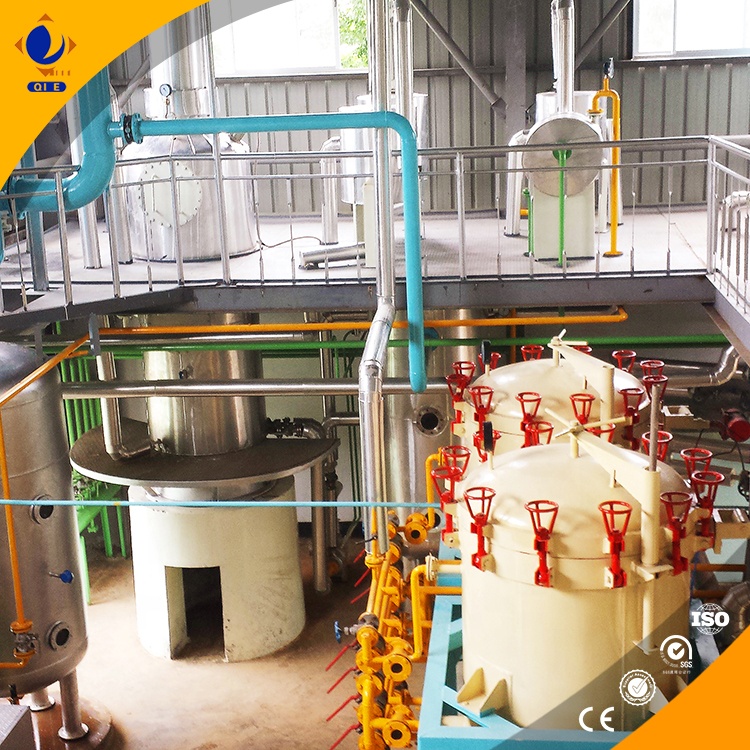
Consider the case of a mid-sized edible oil producer that upgraded to intelligent refining technology. Within 12 months, they achieved:
Another study conducted by the Food Processing Technology Institute demonstrated that exporters using advanced refining technology experienced 37% faster inventory turnover and 28% higher customer retention rates compared to those using conventional methods.
As global market requirements continue to evolve, forward-looking edible oil exporters recognize that technological investment is not an expense but a strategic necessity. The ability to consistently deliver high-quality products while meeting environmental standards has become a key differentiator in international trade.
For businesses looking to expand their global footprint, partnering with technology providers that understand both the technical and commercial aspects of edible oil export is crucial. The right technology partner should offer not just equipment, but a complete solution that includes process optimization, regulatory compliance support, and ongoing technical assistance.
Discover how 企鹅集团's advanced refining solutions can elevate your product quality, reduce operational costs, and open doors to high-value export markets.
Request Your Custom Export Readiness AssessmentWhat specific quality challenges has your business faced when exporting edible oils to international markets? Have you encountered particular regulatory hurdles that advanced refining technology could help address? We welcome your thoughts and experiences in the comments section below.