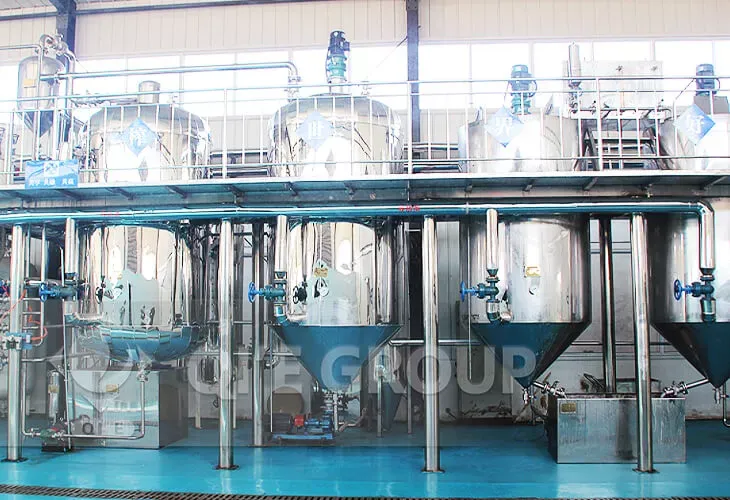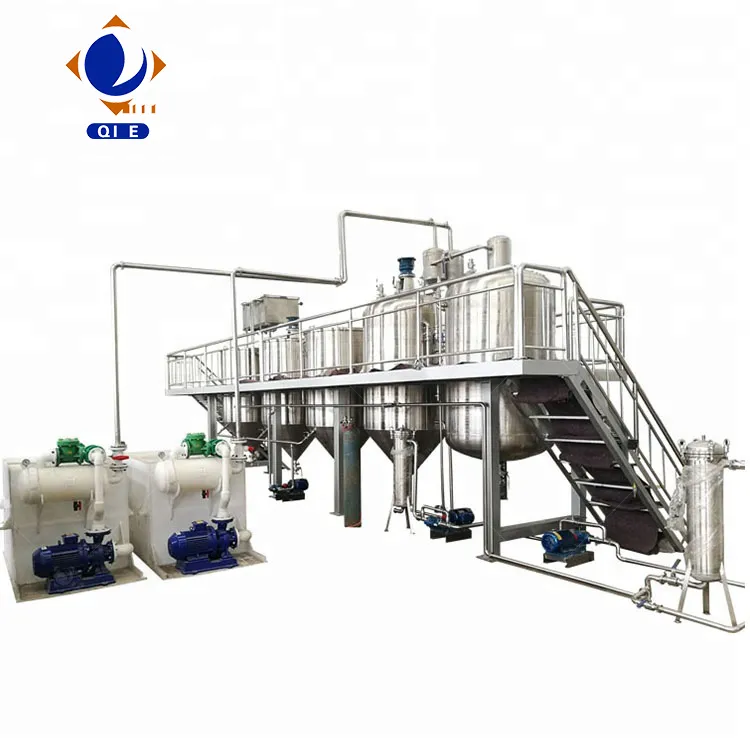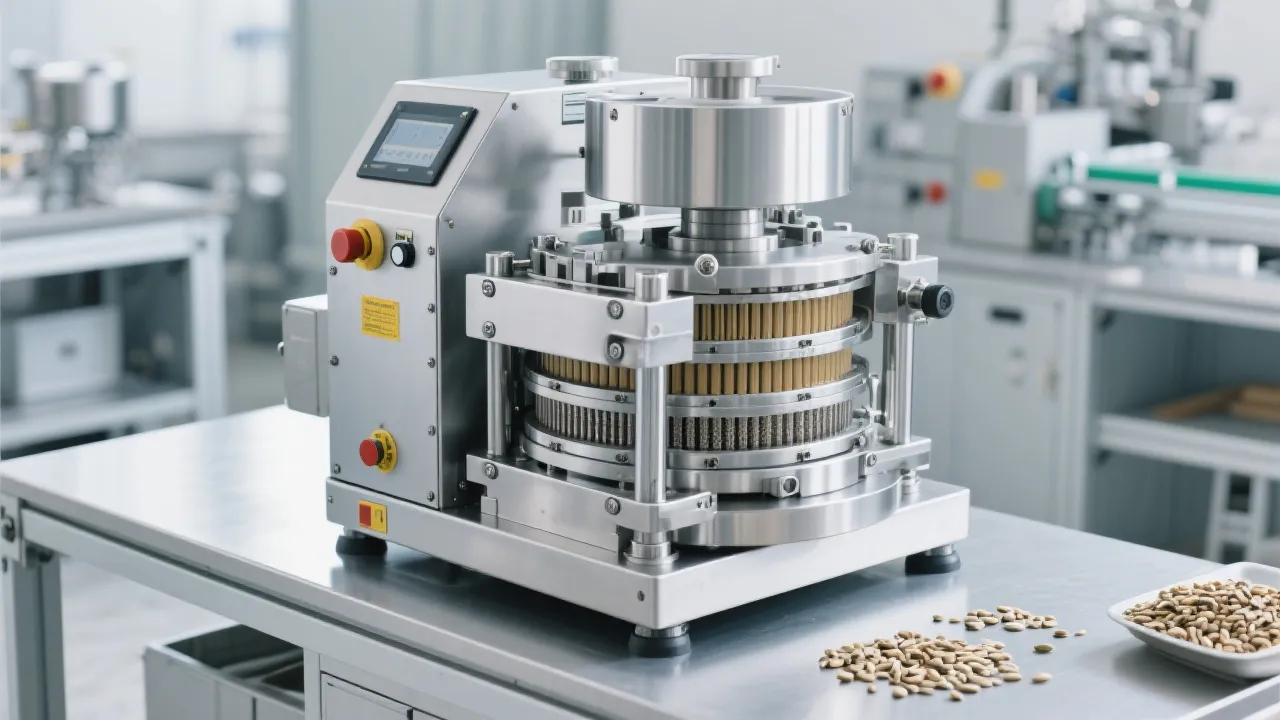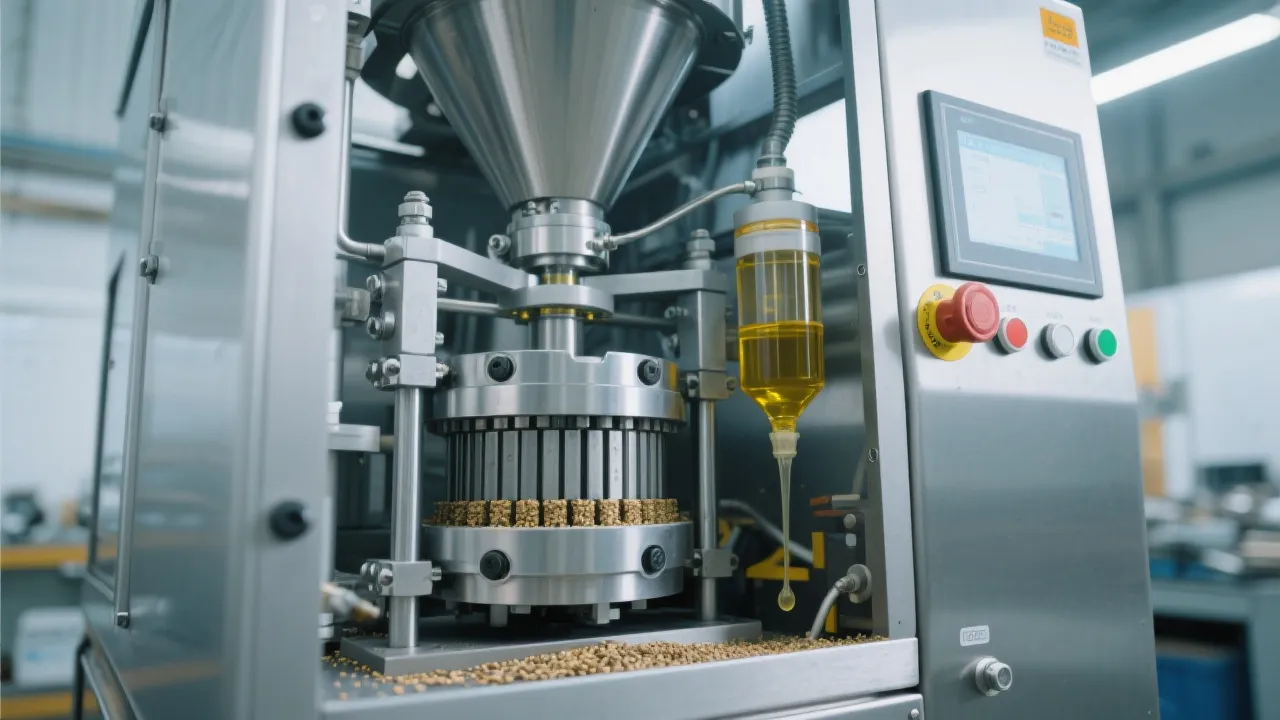

In today's health-conscious world, the journey from crude vegetable oil to the clear, safe, and nutritious cooking oil on our tables is a fascinating blend of science, technology, and precision engineering. Understanding this transformation not only helps consumers make informed choices but also highlights the expertise required to produce export-grade edible oils that meet global standards.
Crude vegetable oils, whether extracted from soybeans, palm, rapeseed, or sunflower seeds, contain various impurities that affect taste, stability, and safety. According to the World Health Organization (WHO), improper refining processes can leave behind harmful substances such as free fatty acids (FFA), phospholipids, and oxidative products, which may pose health risks when consumed over time.
"Effective refining reduces FFA levels from an average of 3-5% in crude oil to below 0.1% in refined products, significantly extending shelf life and improving nutritional quality," explains Dr. James Wilson, food chemist at the International Food Safety Council.
Beyond safety considerations, refined oils offer superior sensory properties—clear appearance, neutral taste, and enhanced cooking performance—making them preferred by both home cooks and food manufacturers worldwide.
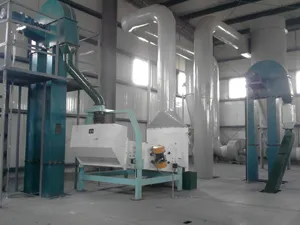
The refining journey begins with degumming, a crucial step that removes phospholipids—natural emulsifiers that can cause cloudiness and reduce oil stability. In this process, water or dilute acid is mixed with the crude oil, causing the phospholipids to hydrate and form gums that can be separated by centrifugation.
Modern continuous degumming systems achieve over 95% removal efficiency, ensuring the oil remains clear even under refrigeration. 企鹅集团's proprietary degumming technology utilizes a multi-stage centrifugation process that reduces processing time by 30% while improving gum separation efficiency.
Neutralization, often called alkali refining, addresses the problem of free fatty acids (FFAs) that contribute to unpleasant tastes and reduce oil stability. Food-grade caustic soda is carefully added to the oil, reacting with FFAs to form soapstock, which is then removed through centrifugation.
Precision is critical in this stage. Over-treatment can lead to oil loss, while under-treatment leaves excess FFAs. Advanced neutralization systems maintain pH levels within ±0.05 units, achieving FFA levels as low as 0.05%—well below the 0.1% threshold required for export-grade oils.
After neutralization, the oil undergoes bleaching to remove pigments, trace metals, and residual soap. Activated bleaching earth or carbon is mixed with the oil under controlled temperature and vacuum conditions, adsorbing unwanted color compounds and impurities.
Industry studies show that optimal bleaching can reduce chlorophyll levels by up to 98% and carotenoids by 85%, resulting in the characteristic pale yellow color consumers associate with high-quality refined oils.
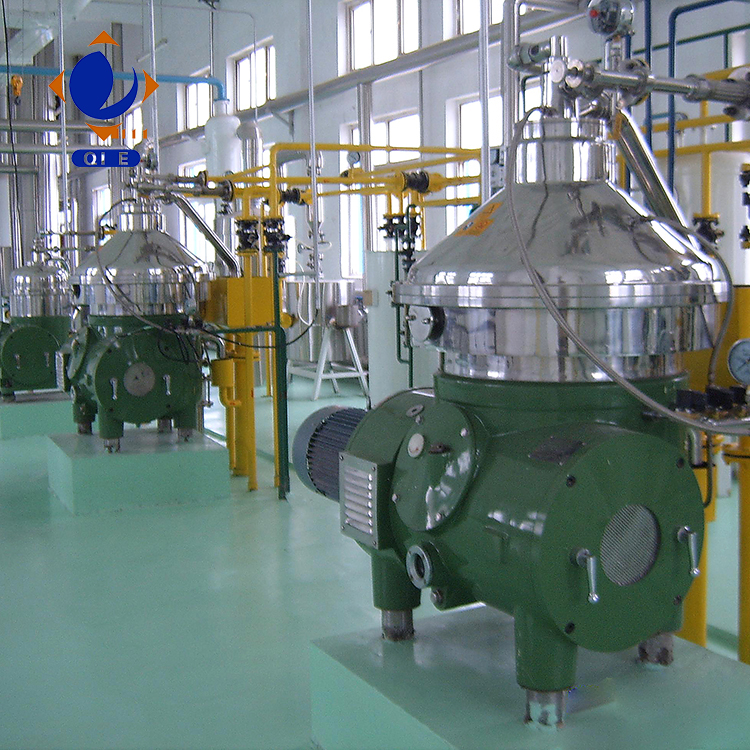
Deodorization is the process that gives refined oils their neutral taste and odor. By subjecting the oil to high temperatures (180-270°C) under a high vacuum, volatile compounds responsible for off-flavors and odors are stripped away.
Modern deodorization systems use countercurrent steam injection, which efficiently removes volatile components while minimizing the loss of tocopherols (natural antioxidants). This delicate balance preserves the oil's nutritional value while ensuring a clean flavor profile.
For oils intended for cold climates or refrigerated storage, winterization is essential. This process involves controlled cooling to crystallize higher melting point triglycerides, which are then removed by filtration. The result is an oil that remains clear and pourable even at temperatures as low as 5°C.
Depending on the end use, fractionation can also produce specialized products like high-oleic oils or zero-trans fats, meeting specific market demands for healthier cooking options.
Producing export-grade edible oil requires rigorous quality control at every stage. From incoming crude oil testing to final product analysis, modern refineries implement comprehensive testing protocols:

The edible oil refining industry continues to evolve, with new technologies focused on improving efficiency, reducing environmental impact, and enhancing product quality. Recent advancements include:
Membrane Filtration: Emerging technology that offers more precise separation with lower energy consumption compared to traditional methods
Supercritical CO₂ Extraction: A green technology that reduces solvent use in deodorization processes
Automated Process Control: AI-powered systems that optimize refining parameters in real-time, reducing waste and ensuring consistency
These innovations not only improve product quality but also address sustainability concerns, a growing priority for both manufacturers and consumers worldwide.
Partner with industry leaders in edible oil refining technology to achieve consistent quality, maximize yields, and meet global export standards.
Discover 企鹅集团's Advanced Refining SolutionsAs consumers become increasingly aware of food safety and quality, the demand for transparently produced edible oils continues to grow. Understanding the refining process helps us appreciate the technology and expertise that goes into every bottle of high-quality cooking oil, ensuring we make choices that promote both health and culinary excellence.