Efficient Oil Press Equipment: Key to Boosting Productivity and Global Export Opportunities

03 01,2026
QI ' E Group
Product description
This article explores the role of compact oil pressing plants as essential tools for enhancing productivity in edible oil production. It outlines core components such as seed cleaners, mechanical presses, filtration systems, and storage tanks—highlighting their economic efficiency for small-scale farmers and entrepreneurs. With insights into market potential, export advantages, and operational best practices, this guide equips investors with actionable strategies to build sustainable, competitive businesses in the global edible oil sector.

Why Small-Scale Oil Pressing Equipment Is a Game-Changer for Emerging Markets

In today’s global food processing landscape, small-scale oil extraction systems are no longer just a niche solution—they’re a strategic asset for entrepreneurs in Africa, Southeast Asia, and Latin America. According to the FAO (2023), over 70% of rural producers in developing countries rely on manual or semi-mechanized methods that yield less than 40% oil recovery. Modern compact oil presses improve this by up to 65%, making them essential tools for productivity growth.

Core Components That Drive Efficiency

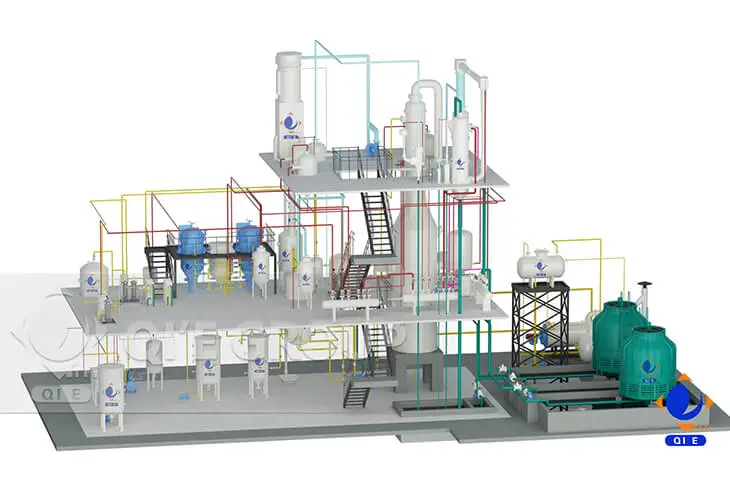
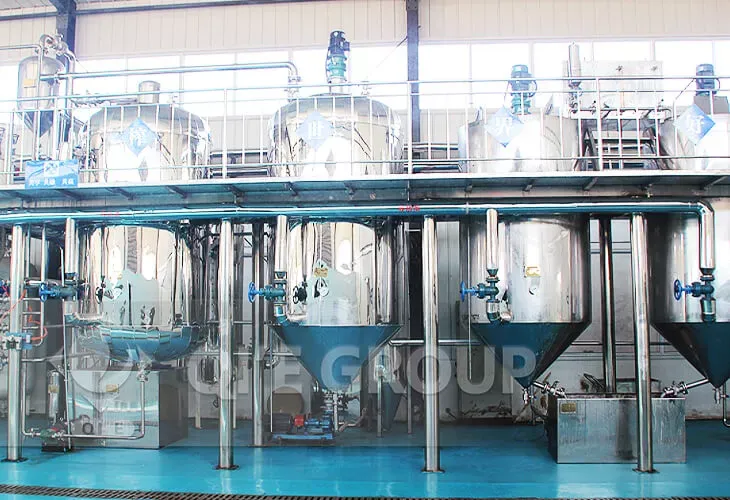
A well-designed small oil press factory typically includes:

  • Seed Cleaner: Removes impurities before pressing—critical for consistent quality.
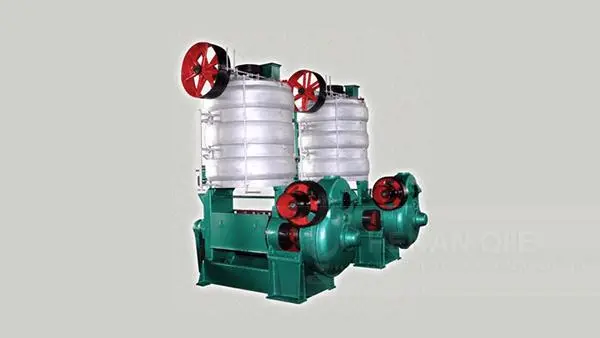
  • Mechanical Screw Press: Extracts oil at 15–20 kg/hour per unit, ideal for farms with 5–50 kg/day output.
  • Oil Filter System: Ensures clarity and extends shelf life—key for export compliance.
  • Storage Tanks & Packaging Units: Enable scalable distribution without spoilage.

Real-World Impact: From Farm to Market

Take Nigeria’s AgroTech Cooperative in Kaduna—a group of 12 women farmers who adopted a modular oil press system. Within six months, they increased their monthly income by 40% and reduced labor hours by 60%. Their success attracted local buyers seeking certified cold-pressed palm oil, proving that even modest investments can unlock premium markets.

Who Should Invest? The Ideal Buyer Profile

This equipment targets:

  • Smallholder farmers looking to add value to raw seeds (e.g., sesame, groundnut, soybean).
  • Rural cooperatives aiming to scale into B2B supply chains.
  • Start-up entrepreneurs entering edible oil production with low capital risk.

Export Potential: A Rising Opportunity

The global demand for clean-label oils is growing at 6.2% CAGR (Grand View Research, 2024). Countries like India, Indonesia, and Brazil are actively sourcing high-quality, locally produced oils—especially those meeting ISO 22000 standards. With proper training and packaging, your product can meet these international benchmarks and stand out in competitive B2B tenders.

Pro Tip: Focus on process documentation—not just the machine. Buyers want proof of consistency, hygiene, and traceability. Create simple SOPs (Standard Operating Procedures) for each step, and you’ll build trust faster than any price discount.

Key Setup Considerations for Long-Term Success

Before installation:

  1. Ensure stable power supply (or consider solar hybrid models).
  2. Train staff on safety protocols—especially for hot oil handling.
  3. Plan storage space based on daily throughput (aim for 3–5 days’ buffer).

Don’t overlook the human factor: Even the best machine fails if operators don’t understand its logic. Provide hands-on workshops—this builds loyalty and reduces long-term service costs.

Ready to Scale Your Edible Oil Business?

Discover how our proven small-scale oil pressing solutions help farmers, co-ops, and startups achieve consistent quality, higher margins, and real market access.

Explore Our Oil Pressing Systems Now
Name *
Email *
Message*

Recommended Products

Popular articles
Recommended Reading

Related Reading

Contact us
Contact us
img
https://shmuker.oss-cn-hangzhou.aliyuncs.com/tmp/temporary/60ec5bd7f8d5a86c84ef79f2/60ec5bdcf8d5a86c84ef7a9a/thumb-prev.png