Modern agricultural practices increasingly focus on sustainability and efficiency, especially in the realm of oilseed processing. Seed oil extraction machines have revolutionized this sector, allowing producers to maximize oil yield while minimizing waste. This guide delves into the technical mechanisms behind these machines and their pivotal role in improving agricultural output, supporting greener agro-industries worldwide.
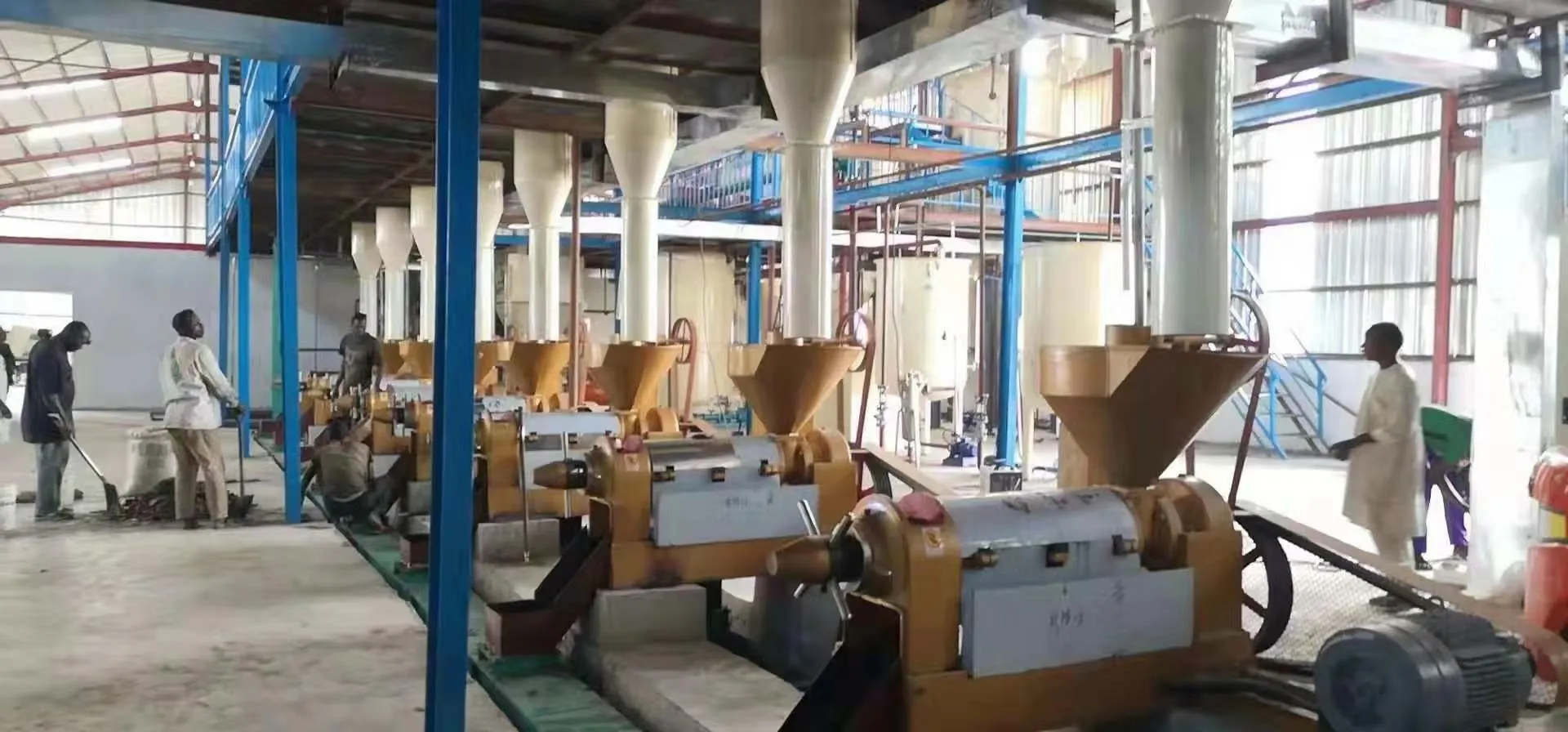
Seed oil extraction machines operate primarily on mechanical pressing and solvent extraction methods, with the former gaining widespread adoption due to environmental and efficiency benefits. Mechanical presses employ screw or hydraulic mechanisms to exert pressure on seeds, breaking oil cells and releasing oil. Compared to traditional manual methods, modern machines enhance extraction efficiency by 15–25%, often achieving oil recoveries exceeding 85%.
Technical Advantage Snapshot:
- Continuous processing for high throughput
- Adjustable pressure settings for diverse seed types
- Energy-efficient operation reducing operational costs by up to 18%
- Compact footprint suitable for on-site farm use
By integrating seed oil extraction machines, agricultural businesses have reported yield improvements ranging from 20% to 40%, depending on crop varieties and machine specifications. These machines minimize residual oil content in seed cake, effectively transforming what once was waste into value-added byproducts such as animal feed. Operational consistency reduces batch-to-batch variation, ensuring premium oil quality aligned with international standards.
Industry data shows that optimized mechanical pressing can achieve extraction rates above 90% in oil-rich seeds like sunflower and canola, while nut oils benefit from gentler crushing methods reducing heat-induced degradation.
Seed oil extraction machines underpin green agricultural initiatives by enabling resource-efficient processing with reduced chemical inputs. Mechanical extraction avoids reliance on harsh solvents, preserving environmental quality and operator safety. Furthermore, the increased use of byproducts aligns with circular economy principles—returning nutrients to the soil or revalorizing biomass for energy production. Studies indicate these machines can reduce carbon footprint by approximately 25% compared to solvent-based extraction.
Optimal results begin with selecting a machine calibrated for the seed types and throughput volumes of your operation. Key selection criteria include:
Routine maintenance should prioritize lubrication of moving parts, filter inspections, and timely replacement of worn screws or plates. Training operators on standardized operating procedures and safety protocols safeguards both equipment longevity and product quality.
Advancements focus on integrating IoT-enabled monitoring systems, enabling real-time optimization of extraction parameters through data analytics. Multi-stage extraction models combining mechanical and enzymatic methods promise increased yields with minimal energy input. Additionally, modular scalable designs support flexible capacity adjustments, ideal for diverse agricultural environments worldwide.
Forecasts suggest that the global seed oil extraction equipment market will grow at a compound annual growth rate (CAGR) of approximately 6.8% over the next five years, underscoring the strong demand driven by sustainable agro-industrial practices.