Are you looking for a low-cost startup project with high returns? The global small oil mill market might be the golden opportunity you've been waiting for. In this article, we'll take you on a journey through the market, equipment, real - world cases, and export potential of small oil mills, providing you with actionable advice to seize the new dividends in the edible oil industry.
The global small oil mill market is experiencing rapid growth, with an estimated annual growth rate of 5% in the past few years. Emerging markets in developing countries and agricultural regions are the main driving forces behind this growth. For instance, in South Asia and sub - Saharan Africa, the increasing demand for edible oils, combined with the need for local employment and rural development, has created a huge market for small oil mills.
These regions offer a vast customer base, as well as abundant raw materials such as soybeans, peanuts, and sunflower seeds. So, if you're considering starting a small oil mill, these emerging markets could be your gateway to success. Do you think your hometown has the potential to be part of this growing market?
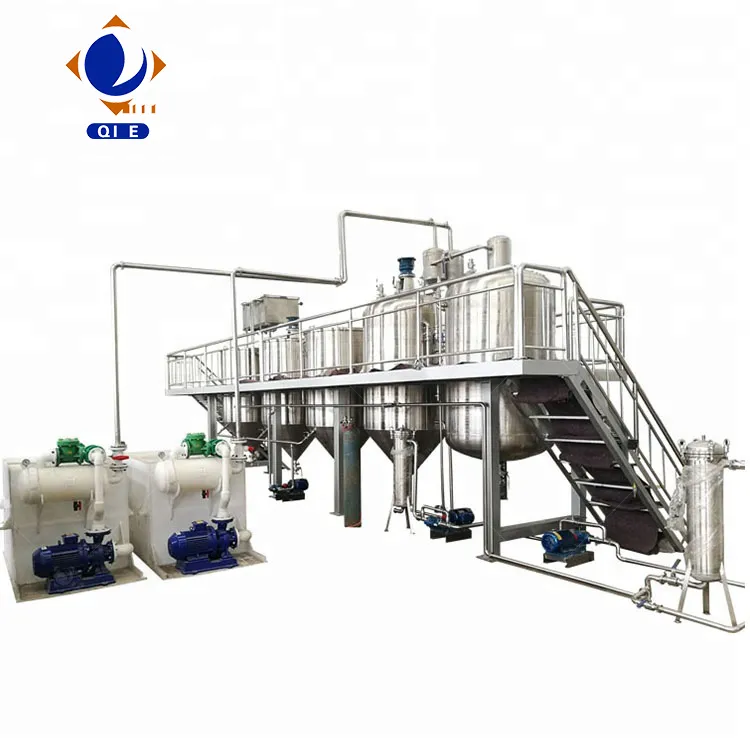
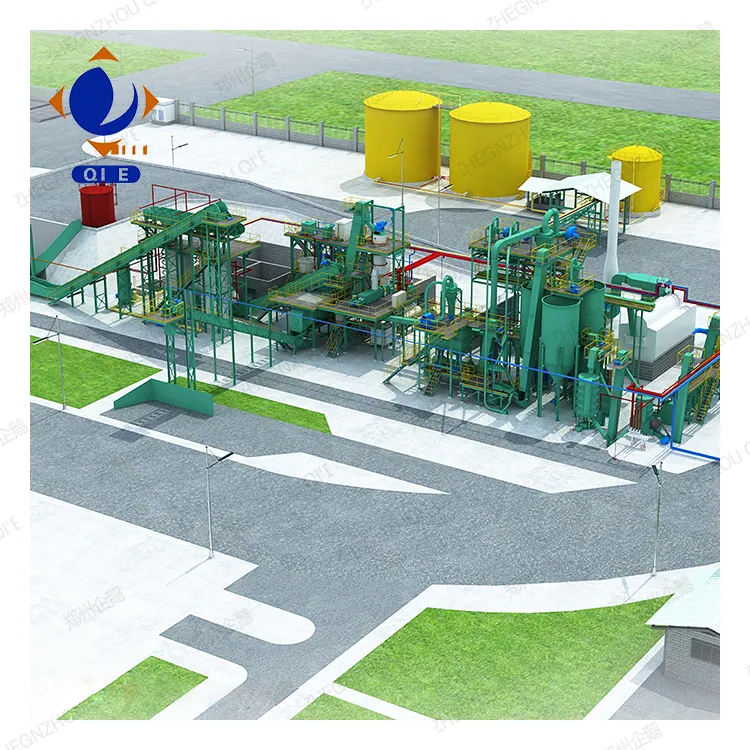
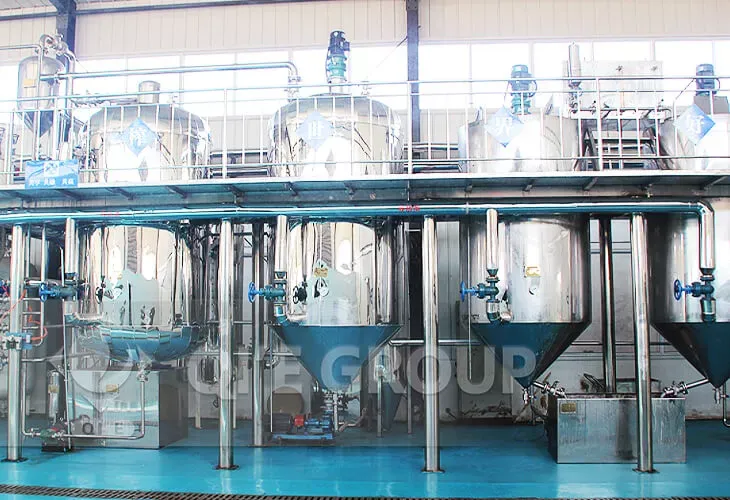
A small oil mill typically consists of several key components, including a seed cleaner, a crusher, a screw press, and a filter. Each piece of equipment plays a crucial role in the oil - extraction process. The seed cleaner removes impurities from the oilseeds, ensuring the quality of the final product. The crusher breaks down the seeds into smaller particles, making it easier for the screw press to extract the oil. The screw press is the heart of the oil mill, using mechanical pressure to squeeze out the oil from the seeds. Finally, the filter removes any remaining solids from the oil, producing a clear and high - quality edible oil.
One of the biggest advantages of these equipment is their cost - effectiveness and ease of operation. They are designed to be affordable for small - scale entrepreneurs, and their simple operation means that you don't need extensive technical knowledge to run a small oil mill. You can refer to the equipment flowchart (not shown here) for a better understanding of how these components work together.
Let's look at some real - world examples to see how small oil mill startups have achieved success. In a rural area of India, a farmer decided to invest in a small oil mill with a budget of around $10,000. By using locally sourced soybeans, he was able to produce high - quality soybean oil. In the first year of operation, his small oil mill generated a profit of approximately $5,000. As the business grew, he expanded his production capacity and started supplying oil to local supermarkets and restaurants.
Another case is from a small town in Brazil. A group of investors established a small oil mill focusing on organic sunflower oil. Through effective marketing and quality control, they managed to build a strong brand in the local market. Their success shows that with the right strategy and execution, starting a small oil mill can be a viable and profitable business model.
The small oil mill industry also has significant export potential. Many countries are actively promoting the export of agricultural products, including edible oils. Some governments offer policy support such as tax incentives and export subsidies to encourage small - scale enterprises to enter the international market.
For example, in some Southeast Asian countries, small oil mill owners can benefit from free trade agreements, which reduce tariffs and trade barriers. If you're interested in international expansion, these policies can provide you with a great opportunity to grow your business beyond your local market. How do you feel about the idea of exporting your oil products?
Before you jump into the small oil mill business, there are several key considerations. Location is crucial. You should choose a place with easy access to raw materials and a large customer base. For example, setting up your mill near a farm or a local market can reduce transportation costs.
Raw material supply is another important factor. Ensure a stable supply of high - quality oilseeds to maintain consistent production. Quality control is also essential. Implement strict quality management systems to produce safe and high - quality edible oils, which will help you build a good reputation in the market.
Click here to explore more about starting your small oil mill!