Posted on [Insert Date] | Category: Palm Oil Processing Technology | Author: Penguin Group Technical Team
Industry Insight:
With global palm oil demand projected to reach 98 million metric tons by 2025, optimizing extraction efficiency has become the critical factor separating profitable plantations from struggling operations.
In the competitive landscape of palm oil production, every percentage point of extraction efficiency directly impacts your bottom line. While traditional presses typically achieve 80-85% oil recovery, the latest generation of high oil yield palm oil press machines from Penguin Group consistently deliver 92-95% extraction rates, translating to thousands of additional tons of oil annually for mid-to-large scale plantations.
Consider this: A medium-sized plantation processing 500 tons of fresh fruit bunches (FFB) daily with a traditional press losing 15% of available oil is literally flushing approximately $1.2 million USD annually down the drain (based on average crude palm oil prices of $850/ton). This staggering loss doesn't even account for additional costs of energy waste and maintenance issues common with outdated equipment.
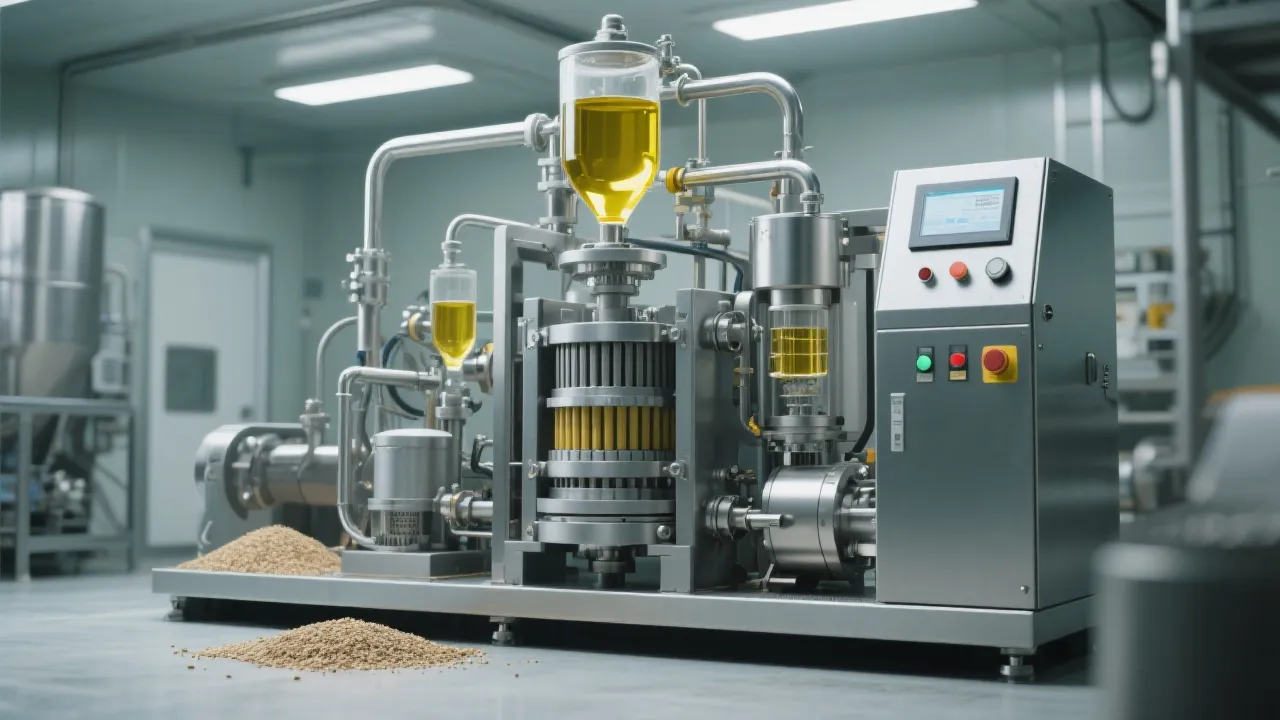
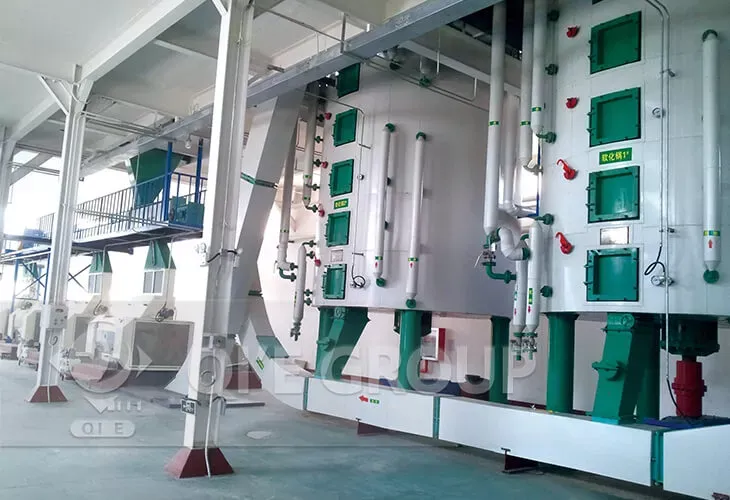
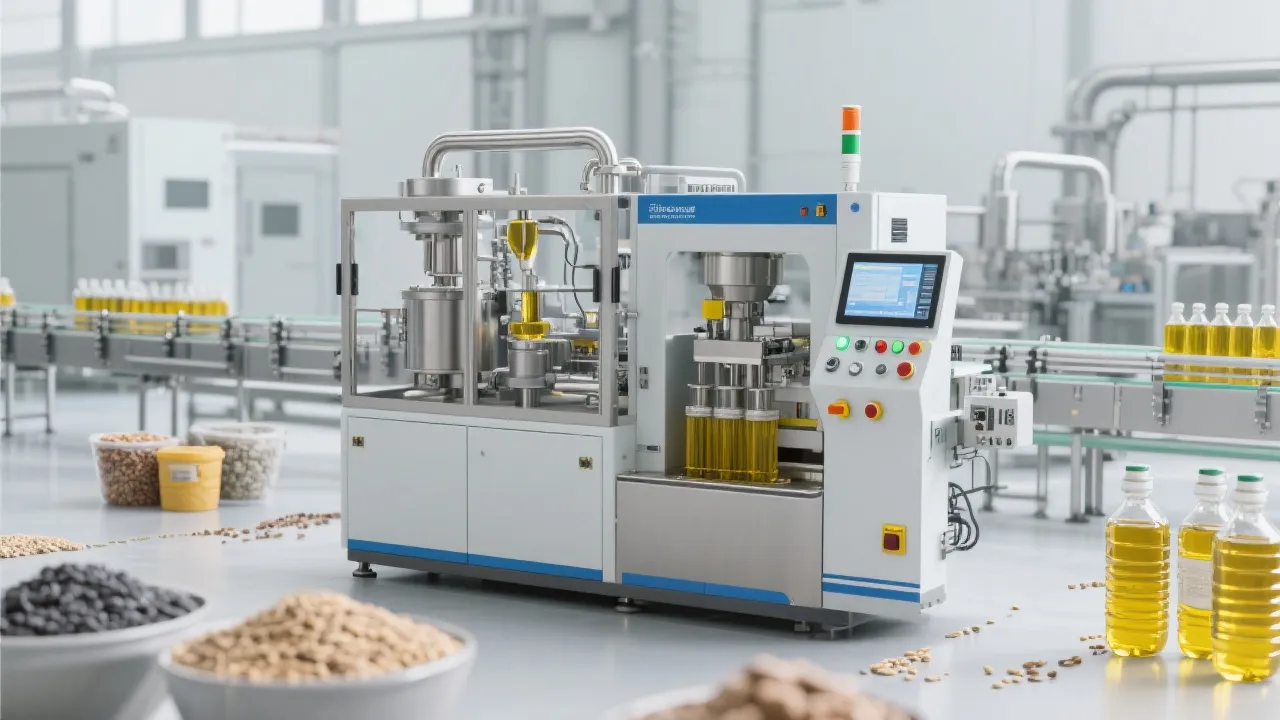
Modern palm oil extraction is a precisely orchestrated process where each component plays a vital role in maximizing oil yield while maintaining quality. Let's examine the critical systems that differentiate premium presses from conventional models:
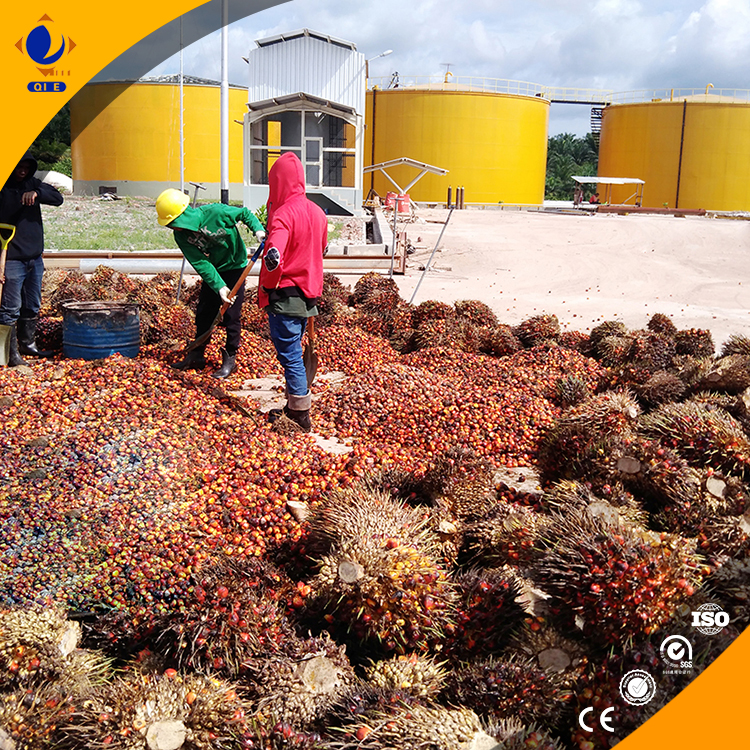
The journey begins with the feed hopper, engineered with adjustable metering mechanisms that ensure uniform distribution of fruit bunches. This controlled feeding prevents overloading and ensures consistent processing—problems that plague older systems and directly reduce extraction efficiency by 3-5%.
The depericarping unit employs a proprietary roller design that separates palm fruits from bunches with minimal damage to the oil-bearing mesocarp. Unlike conventional systems that crush 8-12% of kernels (losing valuable oil and creating processing issues), this precision-engineered component maintains kernel integrity while achieving 99.2% fruit separation efficiency.
Precision steam cooking at 140-145°C for 90-120 minutes serves three crucial purposes: breaking down oil cell walls, inactivating lipase enzymes that cause free fatty acid formation, and softening the fruit for optimal pressing. Our advanced蒸煮器(steamer) maintains temperature uniformity within ±2°C, ensuring consistent results batch after batch—a level of precision that alone contributes to 4-6% higher oil yield compared to conventional steam systems.
Fluctuating temperatures during steaming can reduce oil yield by up to 8%. When temperatures drop below 135°C, incomplete cell wall breakdown occurs. Exceeding 150°C causes oil oxidation and quality degradation. The Penguin Group temperature control system maintains precise parameters, ensuring optimal oil release without quality compromise.
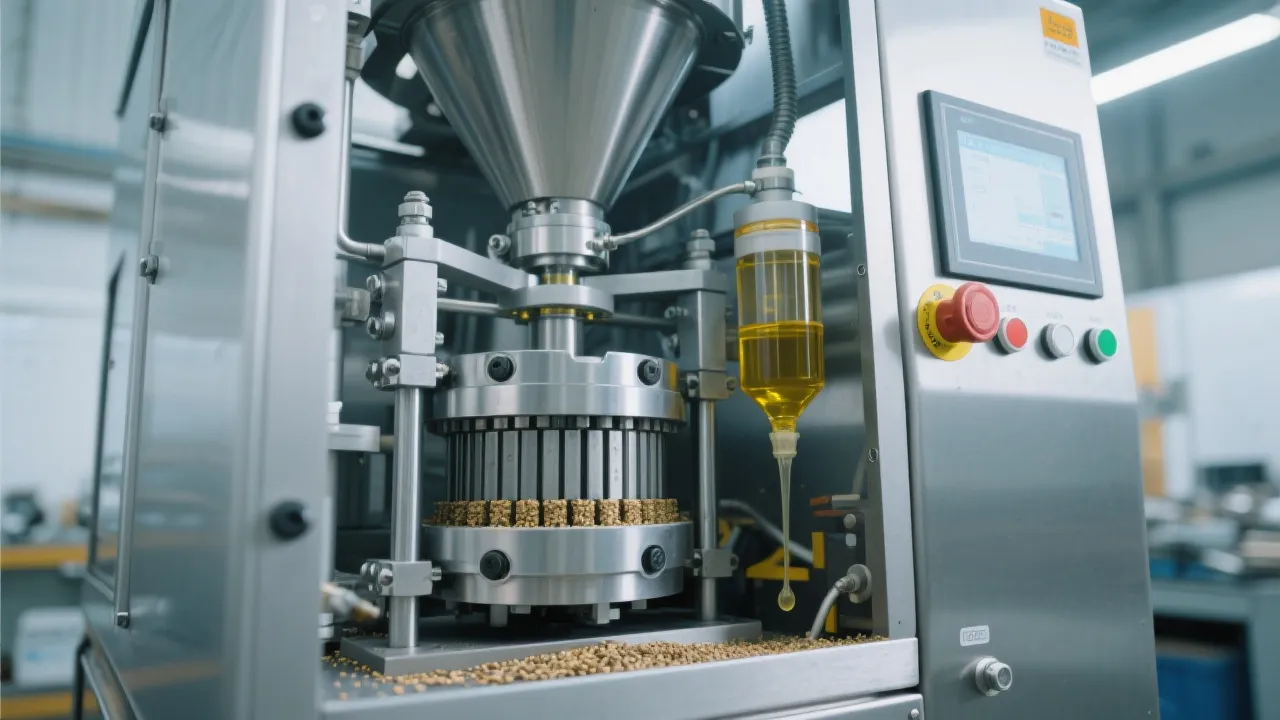
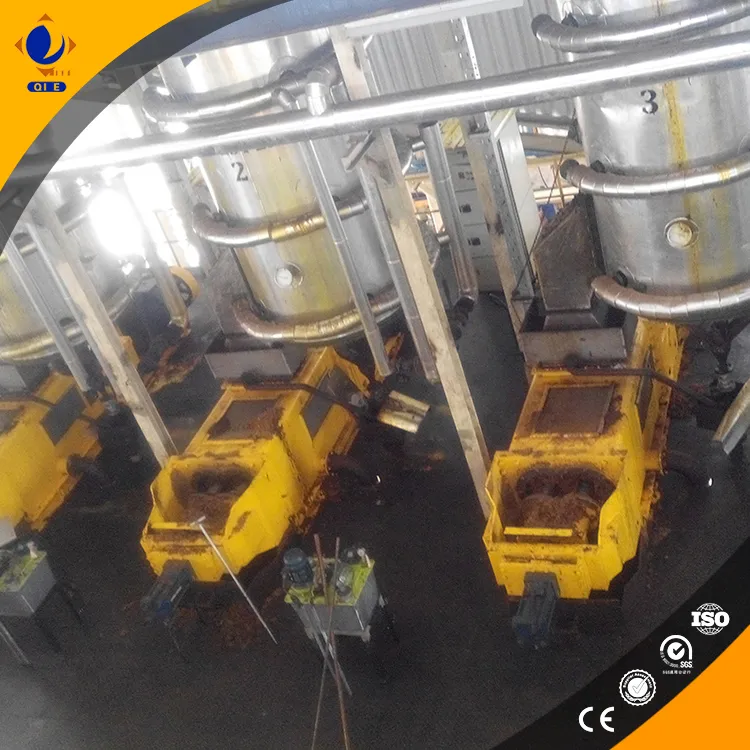
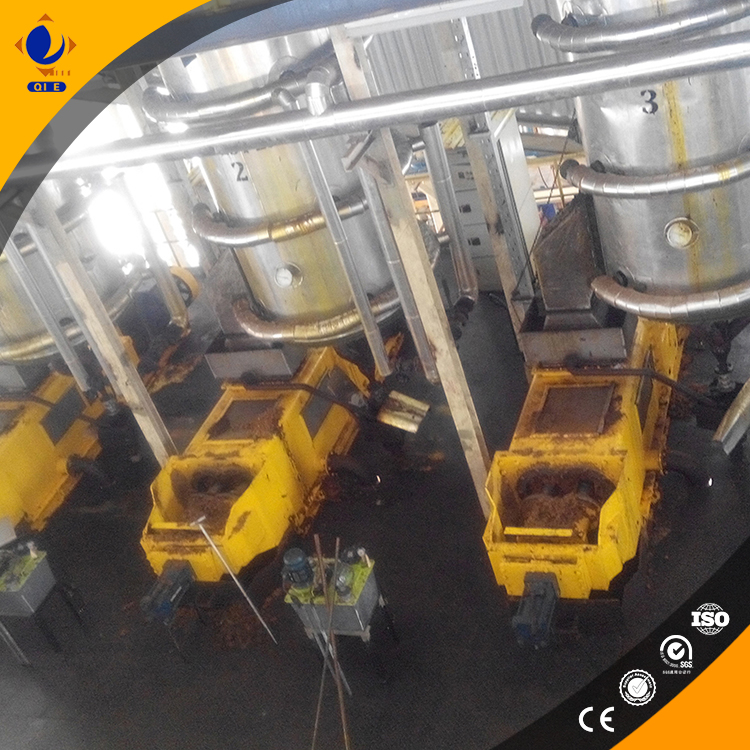
The core innovation lies in the press chamber, featuring a variable-pitch screw design that applies graduated pressure throughout the extraction process. This progressive compression—starting at 30 bar and increasing to 180 bar—ensures complete oil expression without damaging the fiber matrix. The result? A 15-18% improvement in oil yield compared to fixed-pitch conventional presses.
Post-pressing, an integrated vibrating screen system with 60-micron mesh separates residual solids from crude oil, reducing clarifying costs downstream. This immediate separation prevents solid particles from absorbing valuable oil—another critical factor in achieving the machine's exceptional yield rates.
The technical specifications translate to tangible business outcomes. Consider the experience of PT Sawit Sejahtera in Sumatra, Indonesia, which upgraded to Penguin Group's high-yield press system in Q1 2023:
| Performance Metric | Before Upgrade | After Upgrade | Improvement |
|---|---|---|---|
| Oil Extraction Rate | 82.3% | 94.7% | +12.4% |
| Daily Oil Production (500 T FFB) | 41.15 T | 47.35 T | +6.2 T/day |
| Energy Consumption | 18.7 kWh/ton FFB | 14.2 kWh/ton FFB | -24.1% |
| Maintenance Downtime | 8.5 hours/week | 2.3 hours/week | -72.9% |
"The upgrade to Penguin Group's high-yield press system has transformed our operation," reported Mr. Ahmad, Plant Manager at PT Sawit Sejahtera. "In the first six months, we've already recouped 35% of our investment through increased oil production alone, not counting savings from reduced energy and maintenance costs."
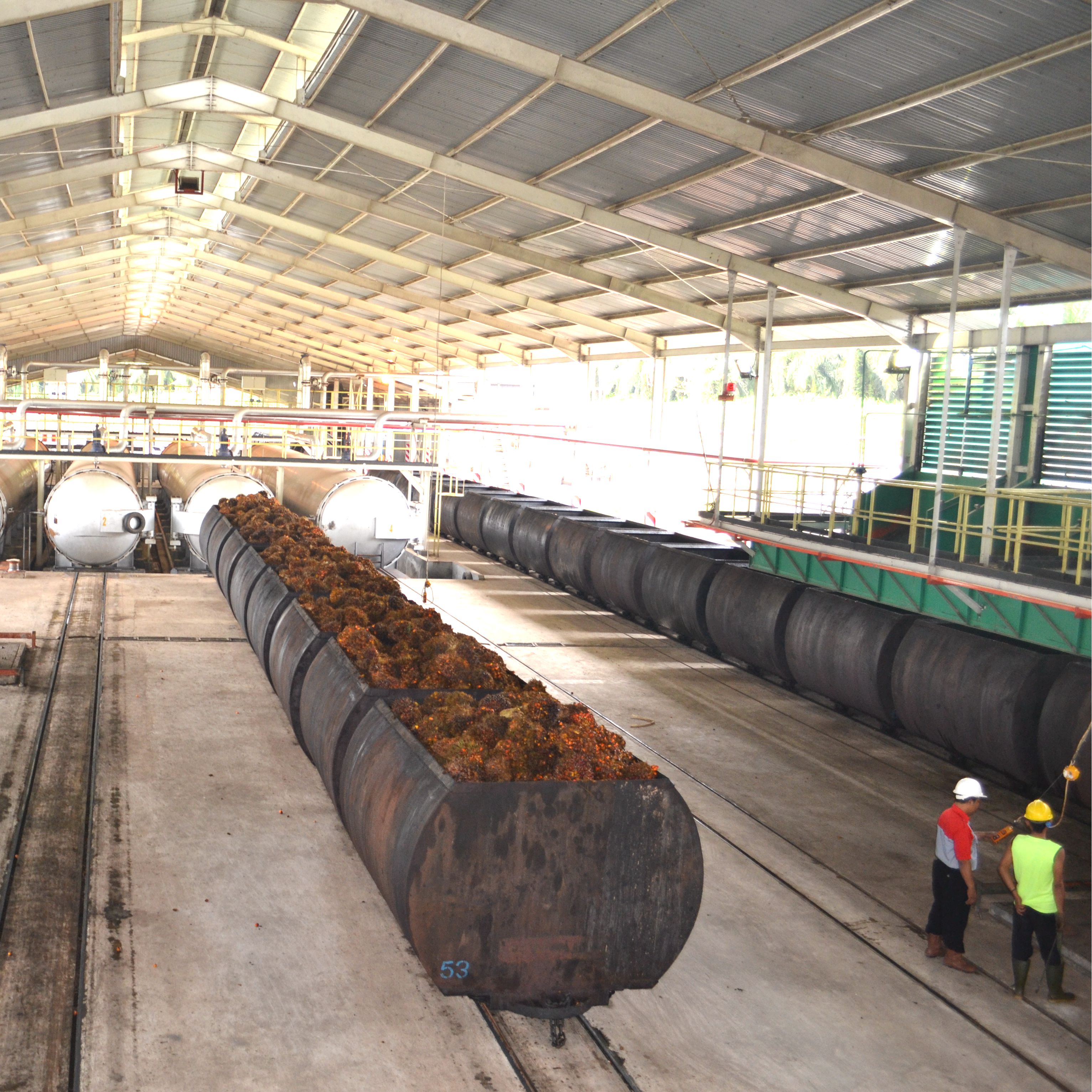
True efficiency extends beyond individual machine performance. The most successful plantations recognize that optimized palm oil processing requires a holistic approach, integrating upstream and downstream systems. Key considerations include:
Discover how Penguin Group's high oil yield palm oil press technology can increase your production by 15-18% while reducing operational costs.
Get Your Custom Efficiency Analysis NowInvesting in new processing equipment represents a significant decision. To determine if upgrading to a high-yield system is right for your operation, consider these critical questions:
Every plantation faces unique challenges based on climate, soil conditions, FFB quality, and operational constraints. The most successful operations are those that leverage technology tailored to their specific circumstances while maintaining a focus on sustainable practices that protect both profitability and the environment.
What has been your experience with palm oil extraction efficiency? Have you encountered specific challenges in optimizing your processing line? Share your thoughts and questions in the comments below—our technical team regularly engages with industry professionals to address real-world processing challenges.


.jpg?x-oss-process=image/resize,h_1000,m_lfit/format,webp)