
In the competitive landscape of palm oil processing, every percentage point of oil yield translates directly to your bottom line. While traditional palm oil presses have served the industry for decades, the latest generation of high-yield palm oil expellers is redefining efficiency standards. This comprehensive guide explores the engineering innovations that enable modern presses to extract 3-5% more oil per ton of palm fruit—a difference that can increase annual profits by hundreds of thousands of dollars for mid-sized processors.
Palm oil production has come a long way from manual extraction methods. Today's industrial processors demand equipment that balances speed, efficiency, and reliability. According to industry data, the global average oil extraction rate from fresh fruit bunches (FFB) stands at approximately 18-20%, while leading processors using advanced equipment consistently achieve rates above 22%. This seemingly small difference represents millions of dollars in additional revenue across a processing season.
Industry Insight:
A 3% increase in oil yield for a mill processing 500 tons of FFB daily equates to approximately 45 additional tons of crude palm oil per month—worth over $30,000 at current market prices.
The journey to maximum oil yield begins with consistent feeding. Modern expellers feature variable-speed feeding mechanisms that ensure uniform distribution of palm fruit into the processing chamber. This prevents overloading and ensures each fruit receives optimal processing time. The Qie Group's proprietary feeding system incorporates sensors that automatically adjust feed rates based on fruit moisture content and ripeness—critical factors in oil extraction efficiency.
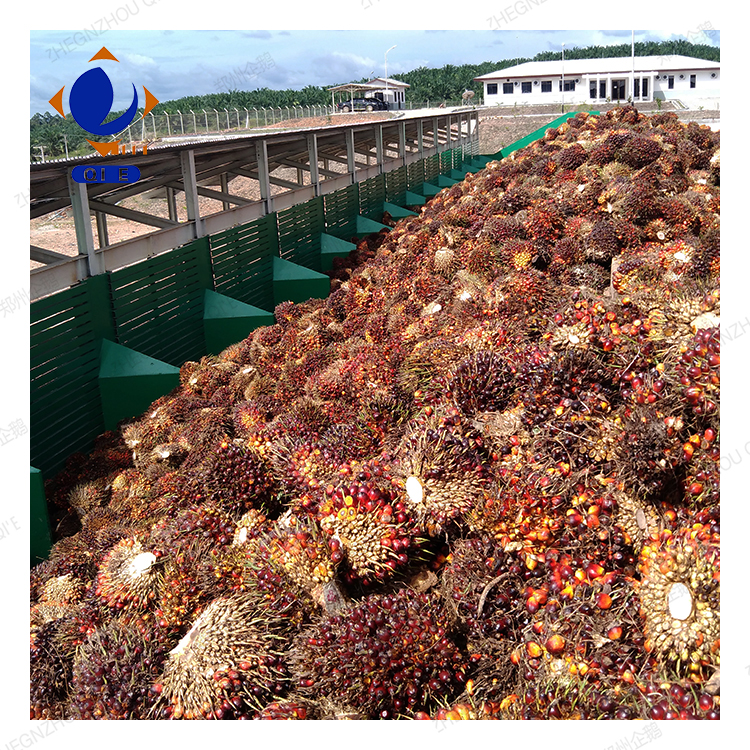
Proper sterilization is essential for breaking down fruit cell walls and inactivating enzymes that cause oil degradation. High-performance expellers utilize controlled steam injection systems that maintain precise temperature and pressure levels (typically 121°C at 15 psi) for optimal sterilization. This process softens the fruit pulp while preserving oil quality, creating the ideal conditions for maximum extraction.
After sterilization, the fruit bunches move to threshing drums where separation of palm fruits from the bunches occurs. Modern threshers achieve over 99% fruit separation efficiency, minimizing loss. The digestion process that follows uses rotating paddles to break down the fruit into a homogeneous mash, preparing it for the critical pressing stage.
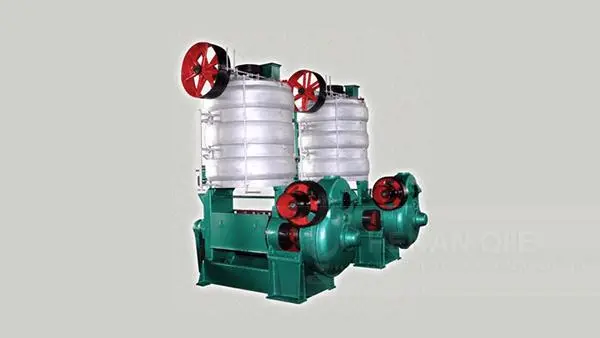
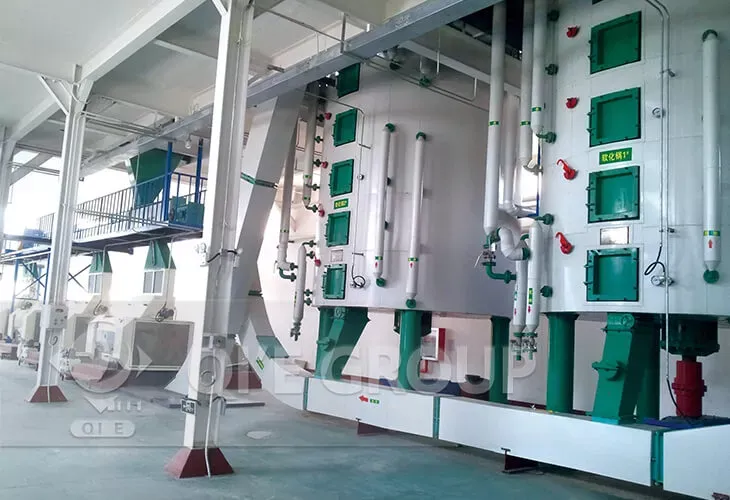
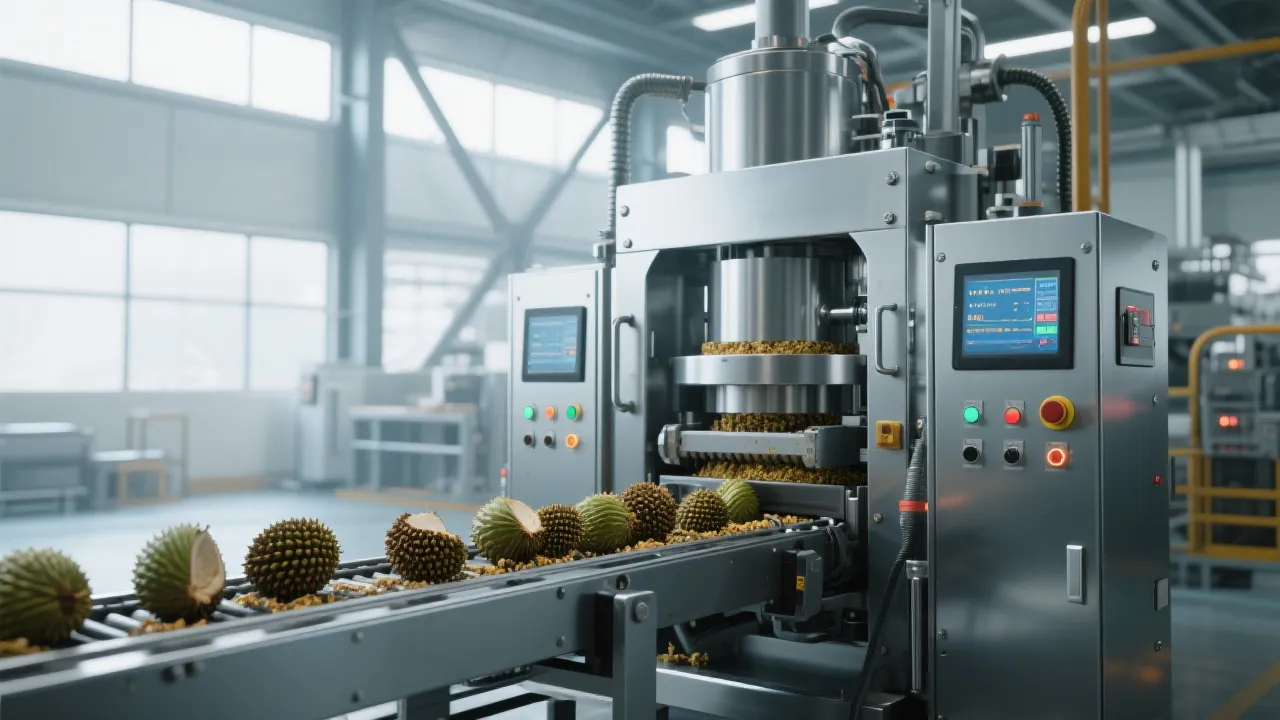
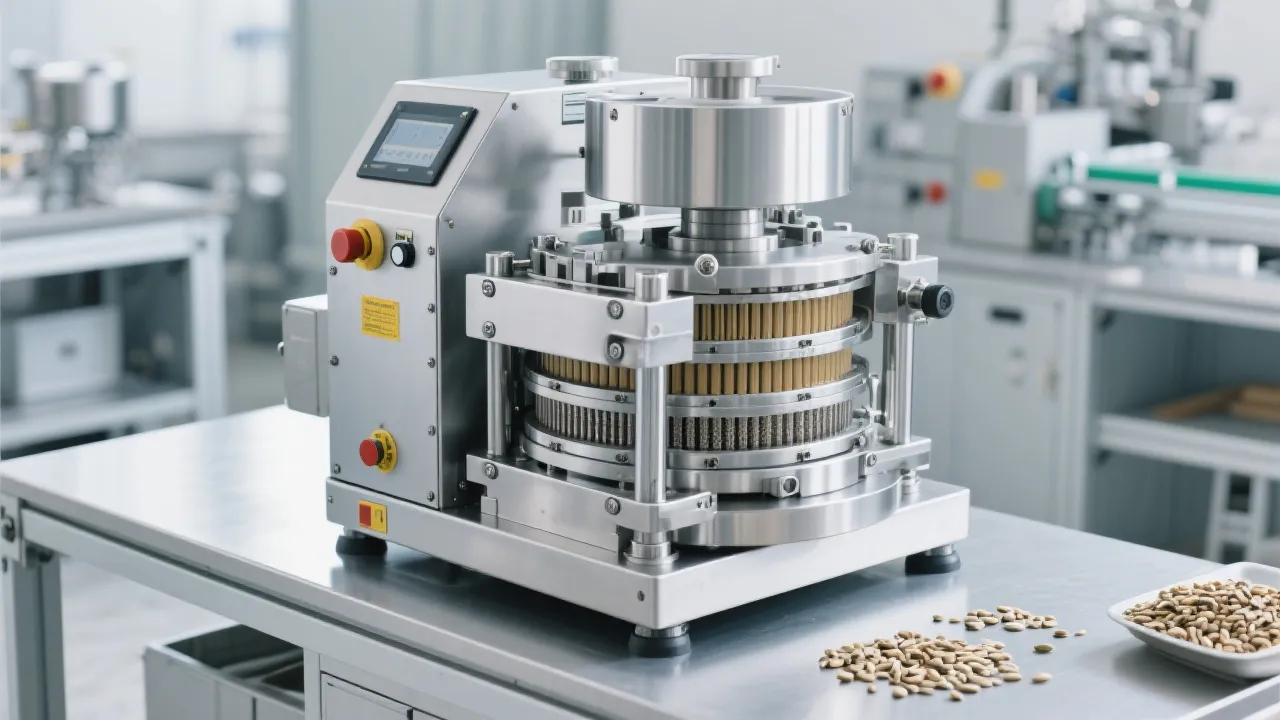
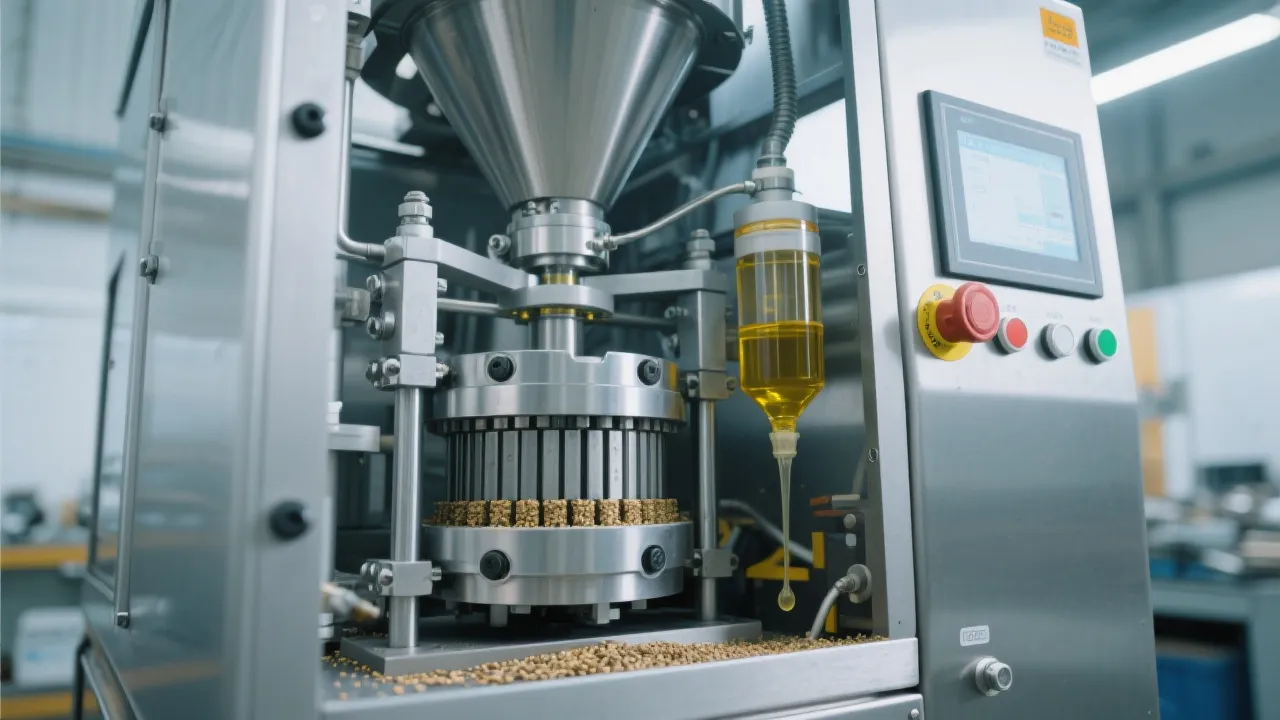
The heart of any high-yield expeller is its pressing chamber. Unlike traditional single-screw designs, advanced models feature twin screws with variable pitch profiles that progressively increase pressure throughout the pressing process. This gradual compression allows for maximum oil release without damaging the kernel, which is essential for both oil quantity and quality.
Precision-engineered screw flights create a pressure gradient that reaches up to 600 kg/cm² in the final pressing zone—sufficient to extract the maximum possible oil while minimizing solids content in the crude oil.
Modern expellers incorporate sophisticated hydraulic systems that allow operators to fine-tune pressing parameters based on fruit characteristics. This adaptability ensures optimal performance regardless of variations in fruit ripeness or moisture content. The hydraulic system works in harmony with the screw mechanism to maintain consistent pressure, resulting in stable extraction rates and reduced energy consumption.
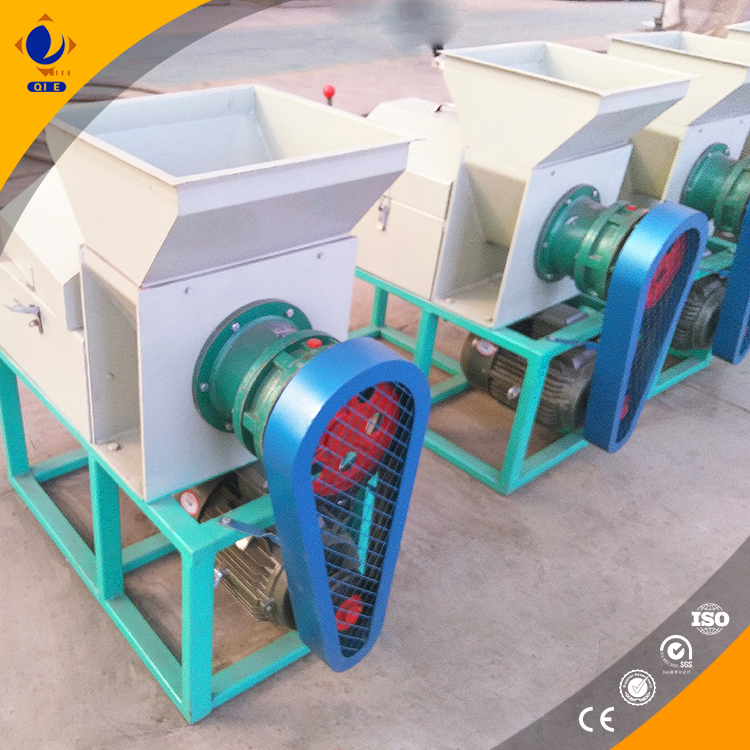
Processor A, a mid-sized palm oil mill in Malaysia, upgraded from a conventional expeller to a modern high-yield system and documented impressive results within the first three months of operation:
Similar results have been reported across Southeast Asia and Africa, where processors are investing in technology upgrades to remain competitive in the global palm oil market.
Many processors struggle with inconsistent oil yields, high energy costs, and frequent maintenance issues. These challenges often stem from outdated equipment design and lack of process control. Modern high-yield expellers address these pain points through:
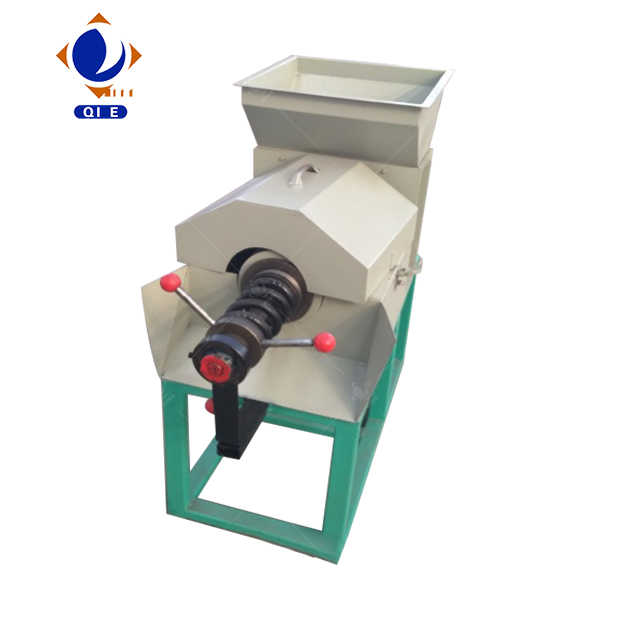
Integrated sensors and PLC systems continuously monitor key process parameters, making automatic adjustments to maintain optimal extraction conditions. This level of control minimizes yield fluctuations caused by variations in raw material quality.
Advanced expellers incorporate energy recovery systems and optimized motor controls that reduce power consumption. Some models feature regenerative braking on rotating components, converting kinetic energy back to electrical energy.
High-quality materials such as hardened steel alloys and wear-resistant coatings extend equipment lifespan and reduce downtime. Self-cleaning mechanisms prevent buildup and reduce maintenance requirements.
Discover how the Qie Group's high-yield palm oil expellers can increase your oil production by 3-5% while reducing operational costs. Our technical team will conduct a free yield analysis based on your specific processing conditions and help you calculate your potential return on investment.
Request Your Custom Yield AnalysisWhat challenges are you currently facing with your palm oil extraction process? Have you experienced significant yield improvements after equipment upgrades? Share your thoughts and questions in the comments section below.

.jpg?x-oss-process=image/resize,h_1000,m_lfit/format,webp)