.jpg?x-oss-process=image/resize,h_1000,m_lfit/format,webp)
In today's rapidly expanding global market for home appliances, cold press oil machines have emerged as a sought-after product category, with annual growth rates averaging 7.3% over the past five years, according to industry reports. As online shopping continues to dominate consumer behavior—accounting for 42% of small kitchen appliance purchases in 2023—international buyers increasingly seek guidance on selecting between horizontal and vertical cold press oil machine designs. This guide equips exporters with data-driven insights to match customer needs with the optimal machine configuration.
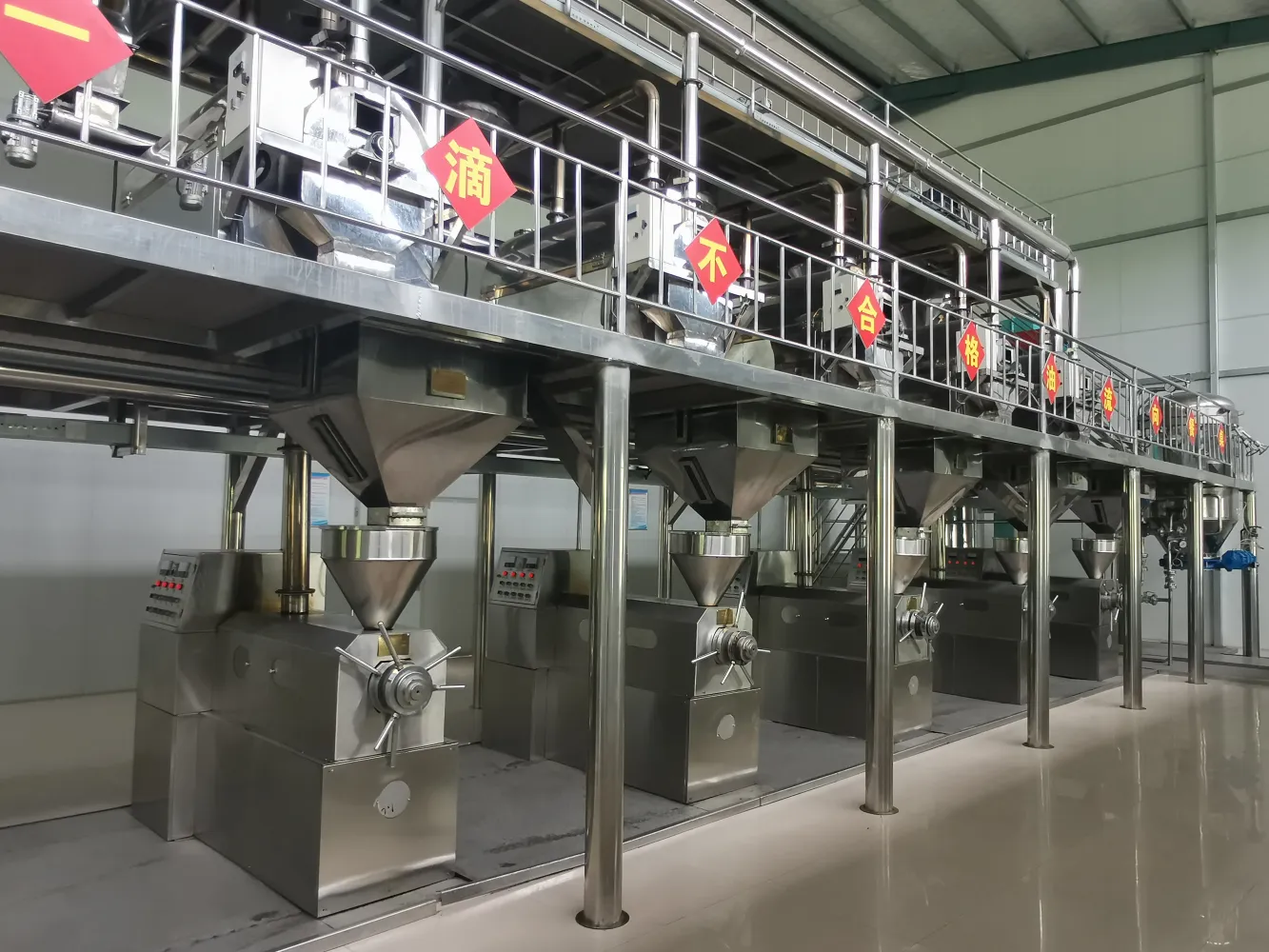
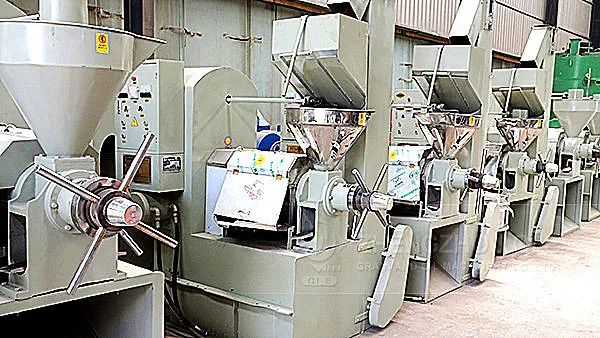
The fundamental distinction between horizontal and vertical models extends far beyond orientation, impacting operational efficiency, oil quality, and user experience:
.jpg)
Understanding regional preferences and usage patterns is crucial for effective recommendation:
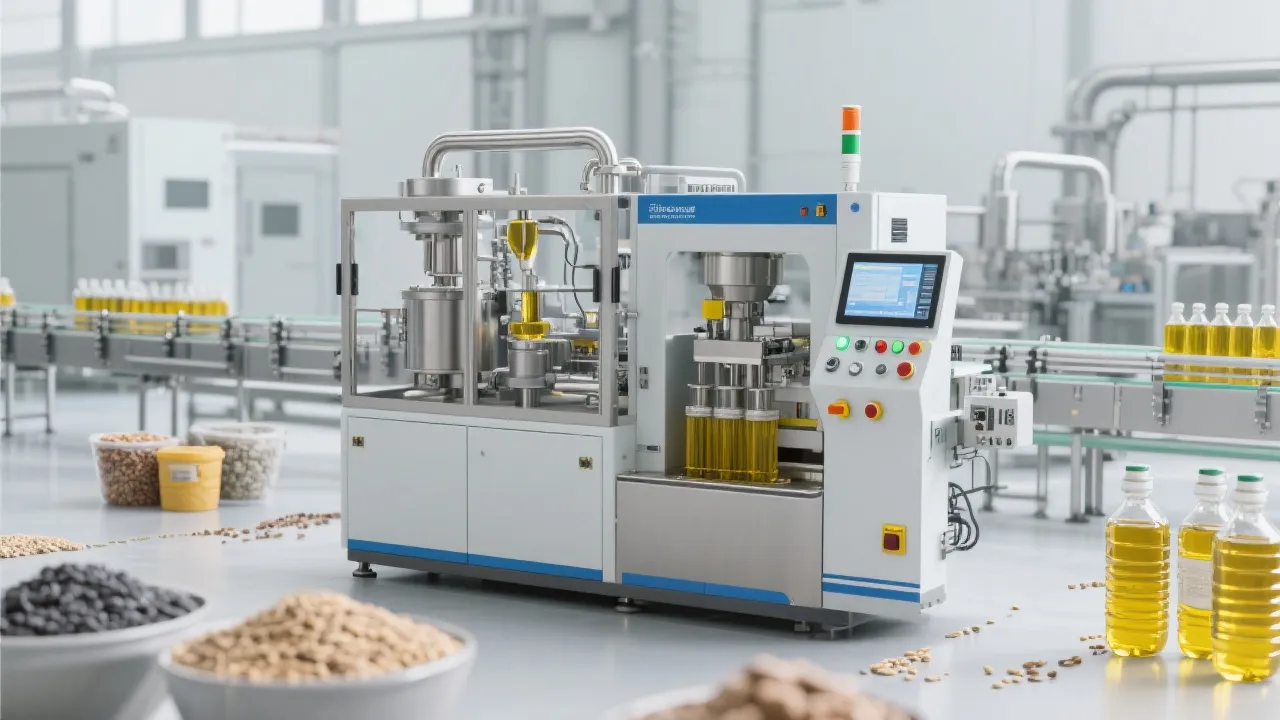
Vertical machines dominate residential markets in Europe and North America, where kitchen counter space is premium. Consumer surveys indicate 72% of home users prioritize compact design and ease of cleaning over maximum yield—a preference perfectly aligned with vertical models.
Horizontal machines excel in small businesses, community cooperatives, and rural households in markets like India, Nigeria, and Brazil. Their higher throughput (10-15kg/h vs. 5-8kg/h for vertical models) and superior yield justify the larger footprint for these users.
Case Study 1: European Home Consumer (Germany)
A Berlin-based customer with limited kitchen space and weekly oil needs (1-1.5 liters) selected a vertical model after prioritizing countertop footprint and ease of cleaning. Post-purchase feedback highlighted satisfaction with the machine's compact design and quiet operation (62dB vs. 68dB average for horizontal models).
Case Study 2: Nigerian Community Cooperative
A 15-member agricultural cooperative in Oyo State chose a horizontal machine for processing sesame and groundnut. Their decision centered on the 7% higher yield, which translated to an additional $120 monthly revenue. The cooperative particularly valued the machine's ability to process diverse seed types without adjustment.
To streamline customer consultations, consider this decision framework based on key buyer priorities:
When engaging with potential buyers, focus discussions on their specific seed types, processing volume, available space, and technical support infrastructure. These factors consistently emerge as the primary decision drivers across global markets.
QIE Group offers a comprehensive range of cold press oil machines engineered for global markets. Our technical team provides personalized product selection support to ensure your clients receive the ideal solution for their specific needs.
Download QIE Group International Buyer's GuideAs the cold press oil machine market continues to evolve, exporters who prioritize understanding the nuanced differences between horizontal and vertical designs will gain a competitive edge. By aligning product recommendations with specific market needs—whether space constraints in urban apartments or yield requirements in agricultural communities—you can enhance customer satisfaction while driving sales growth in this dynamic sector.