

As a small or medium-sized oil mill owner, you know that your press machine isn't just equipment—it's the heart of your operation. The right industrial screw press can transform your production efficiency, oil quality, and ultimately, your bottom line. But with so many options on the market, how do you make the choice that's right for your specific needs?
Many small oil mills fall into the trap of prioritizing upfront costs over long-term value. A cheaper machine might save you money today, but could cost you significantly more tomorrow through:
Understanding these hidden costs is the first step toward making an informed decision for your business.

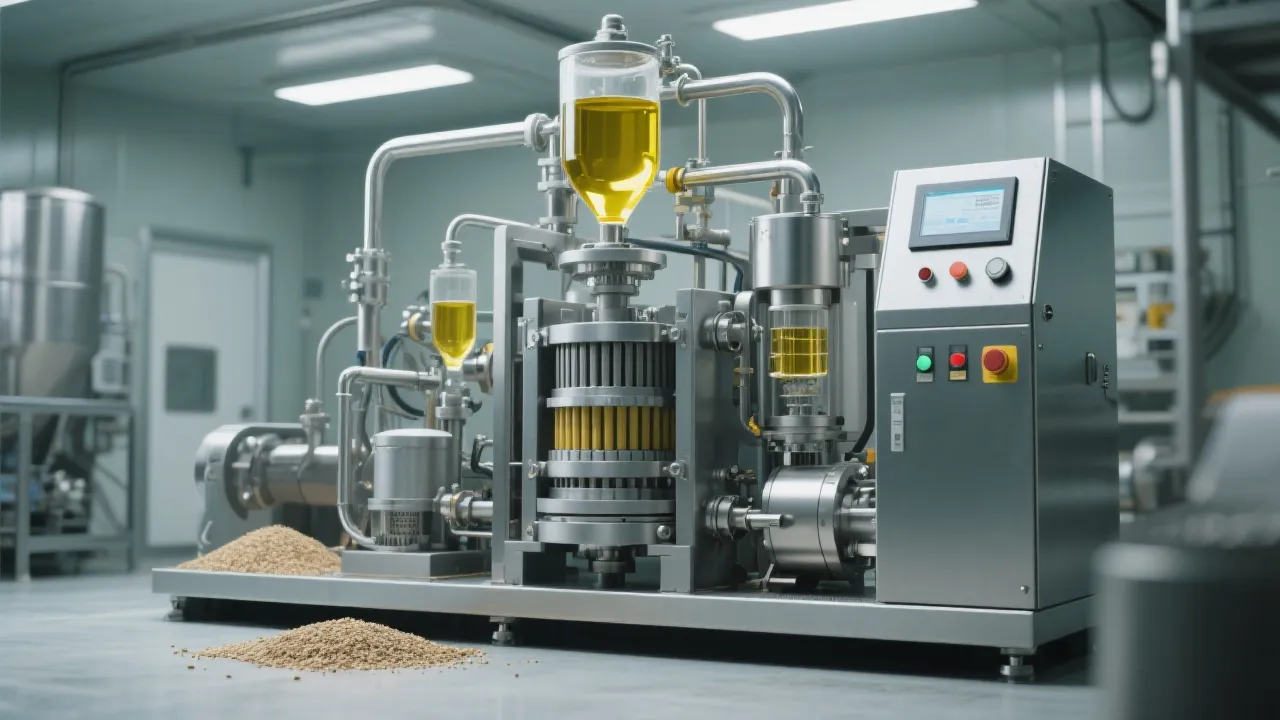
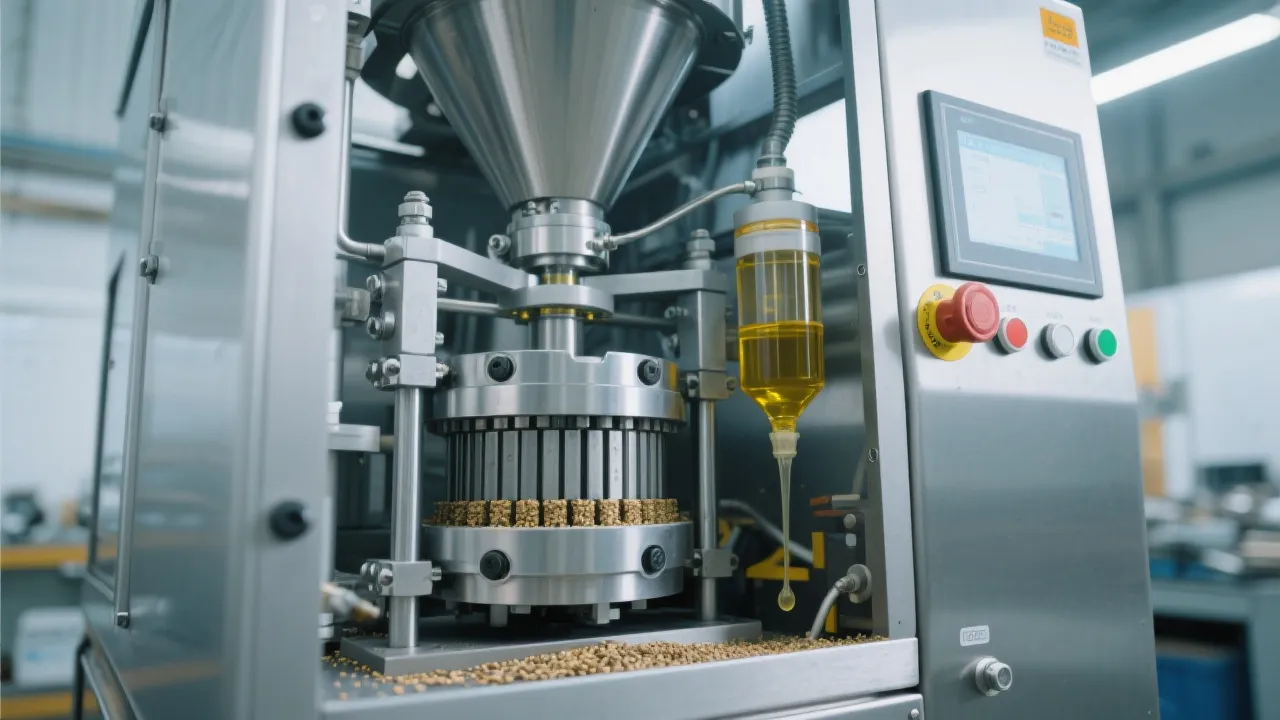
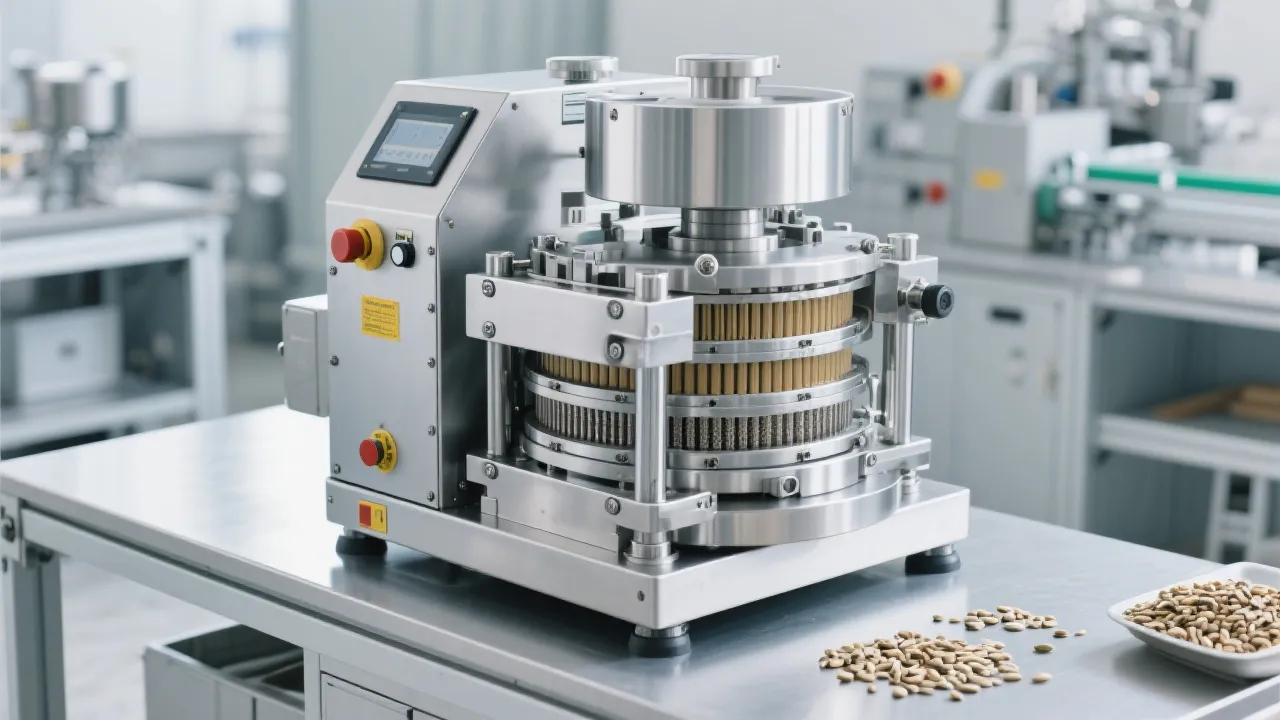
The industrial screw press represents a significant advancement over traditional extraction methods. Its mechanical pressing process offers numerous advantages:
Unlike solvent extraction methods, screw press technology uses mechanical pressure to extract oil, resulting in pure, chemical-free oil that meets the increasing consumer demand for natural products. This positions your business to capitalize on the growing organic and clean label trends.
Modern screw presses handle a wide range of oilseeds with minimal adjustments, including soybeans, rapeseed, sunflower seeds, peanuts, sesame, and more. This versatility allows you to adapt to market demands and seasonal variations in raw material availability.
Industry Insight: According to the International Association of Edible Oil Manufacturers, mechanical pressing maintains 15-20% more natural nutrients in the oil compared to solvent extraction methods, creating a premium product that commands higher market prices.
The decision between cold press and hot press technology depends on your target market, raw materials, and business goals. Let's examine the key differences:
| Aspect | Cold Press Technology | Hot Press Technology |
|---|---|---|
| Processing Temperature | Below 60°C (140°F) | 100-120°C (212-248°F) |
| Typical Oil Yield | 75-85% of available oil | 85-92% of available oil |
| Oil Quality | Higher nutrient retention, better flavor, longer shelf life | Stronger flavor, darker color, may require additional refining |
| Best For | Premium, organic, or specialty oils | High-volume production, standard cooking oils |
| Market Positioning | Premium pricing, health-conscious consumers | Mainstream market, competitive pricing |
Many successful mid-sized oil mills opt for dual-mode machines that offer both cold and hot press capabilities, providing the flexibility to serve multiple market segments and adapt to changing customer preferences.
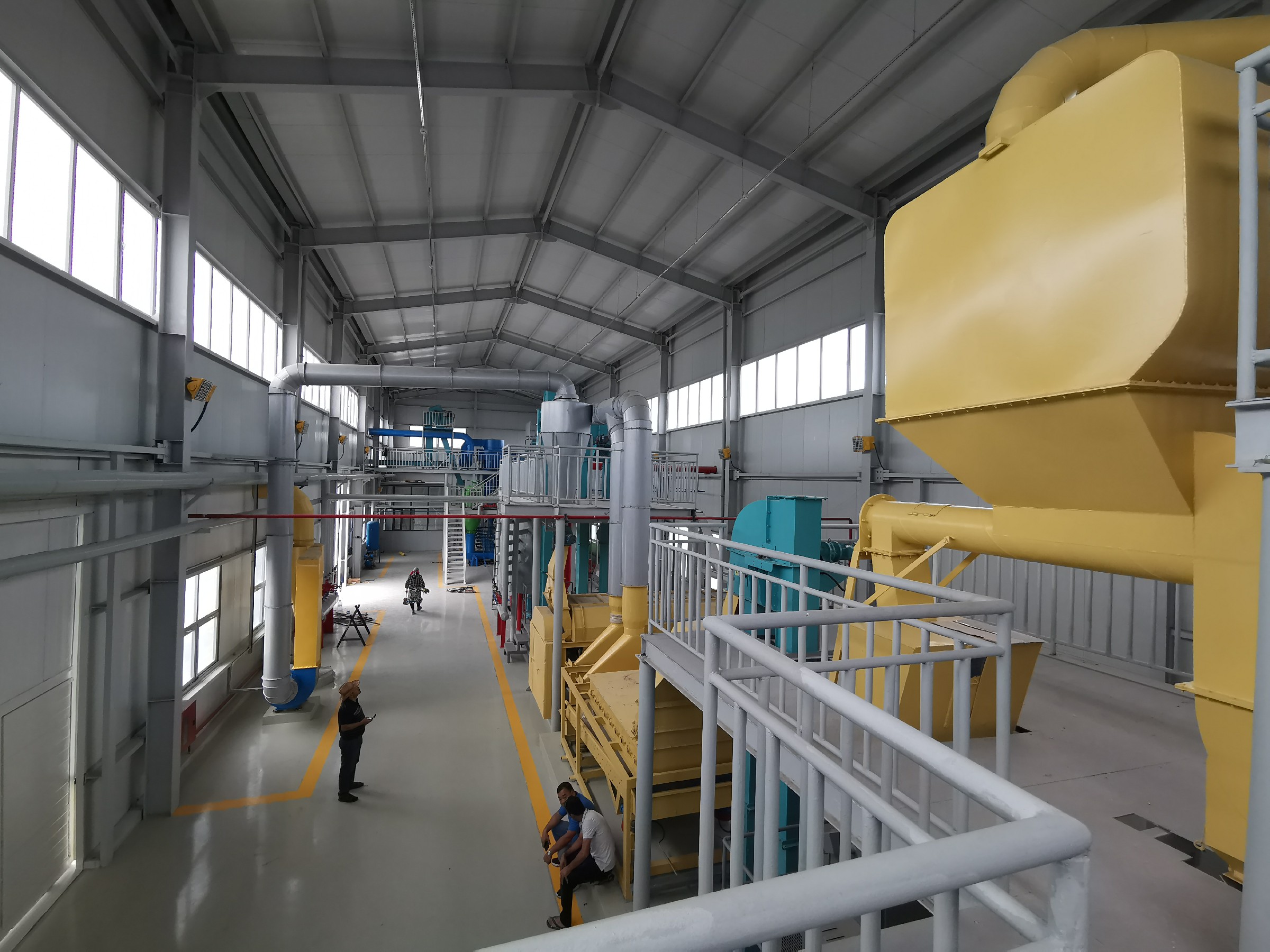
Consider the case of GreenHarvest Oil Mill, a family-owned operation in Central Europe with 15 employees. Before upgrading their equipment, they struggled with inconsistent oil quality and limited production capacity.
The Challenge: Using outdated hydraulic presses, GreenHarvest could process only 800kg of rapeseed per day, with an extraction rate of 72%. Their oil quality varied significantly, leading to customer complaints and inconsistent pricing.
The Solution: After researching various options, they invested in a modern dual-mode screw press from 企鹅集团 (Penguin Group) that offered both cold and hot press capabilities.
The Results: Within six months, GreenHarvest experienced:
"Upgrading to the dual-mode screw press was the best business decision we've made in years. The consistent quality has transformed our reputation, and the increased efficiency has allowed us to expand into new markets while maintaining our family-operated values."
Proper maintenance is crucial for maximizing the lifespan and performance of your screw press. Follow these essential practices:
Beyond daily checks, establish a regular maintenance schedule that includes:
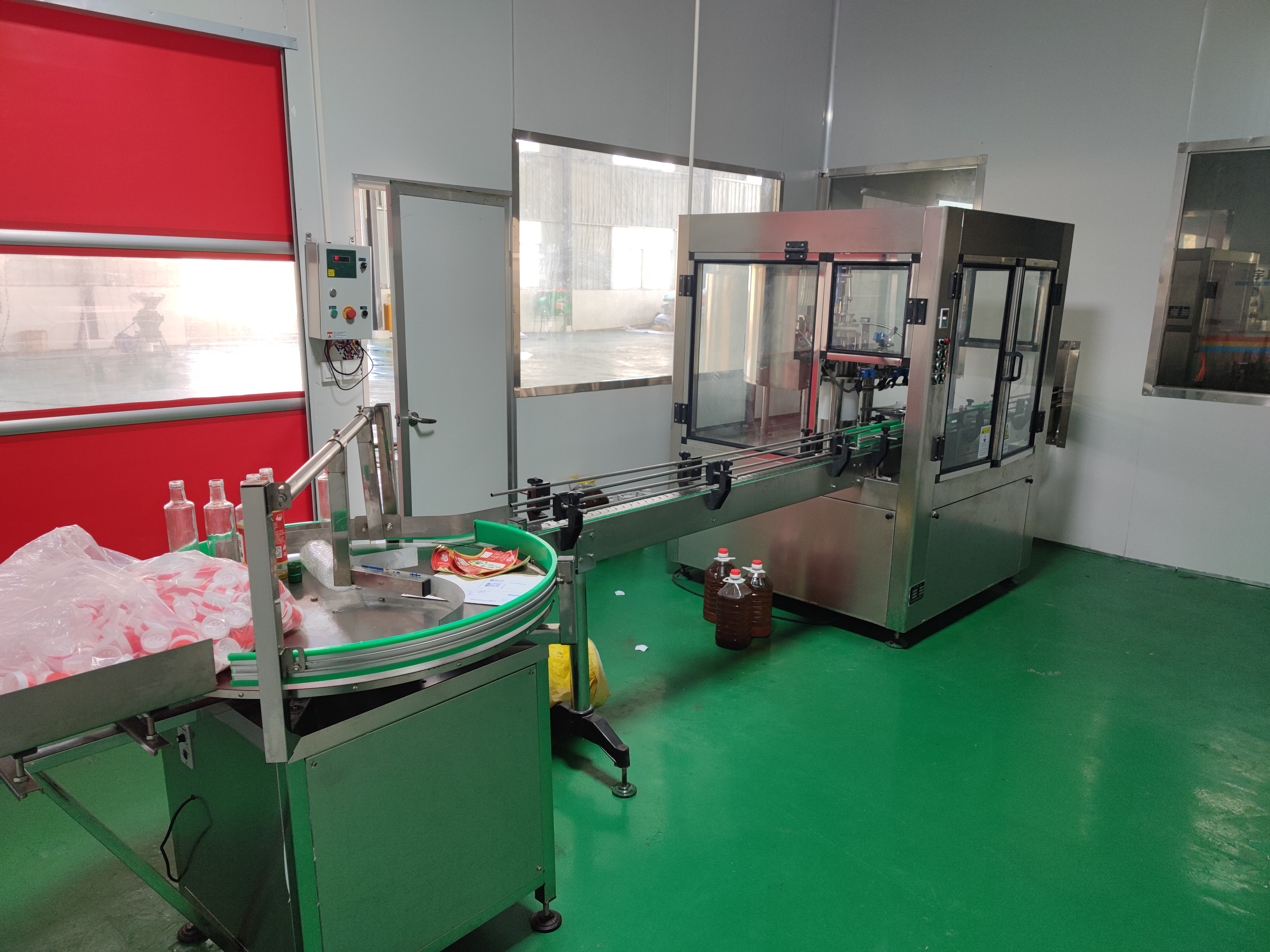
Selecting the right screw press requires careful consideration of your specific circumstances. Follow this structured approach:
Different oilseeds have unique characteristics that affect press requirements. Consider:
Be realistic about your capacity needs:
Your target market dictates your processing requirements:
Look beyond the initial purchase price to consider:
Every oil mill operation has unique challenges and insights.












.jpg?x-oss-process=image/resize,h_1000,m_lfit/format,webp)
