

In an industry where every percentage point of efficiency directly impacts profitability, edible oil producers are constantly seeking technologies that can optimize extraction processes while maintaining product quality. For small to medium-sized enterprises (SMEs) operating in this competitive landscape, the choice of extraction equipment often becomes the defining factor between marginal operations and sustainable growth.
Traditional oil extraction techniques present significant challenges for modern producers. Conventional hydraulic presses typically achieve only 65-72% oil yield from most oilseeds, leaving valuable residual oil in the meal. Chemical solvent extraction, while improving yield to 90-95%, introduces contamination risks, requires expensive solvent recovery systems, and creates environmental disposal challenges that can cost SMEs up to 30% of their operational budget.
These outdated methods also struggle with versatility—most are designed for specific seeds, limiting producers' ability to adapt to market demands for diverse oil products. Maintenance downtime and high energy consumption further erode profit margins, making it increasingly difficult for smaller operations to compete with industrial-scale producers.
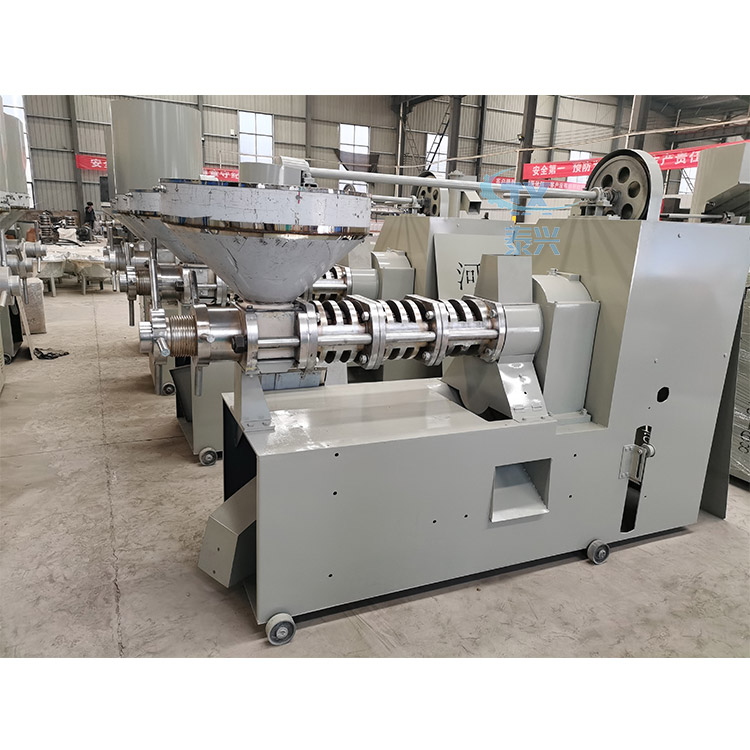
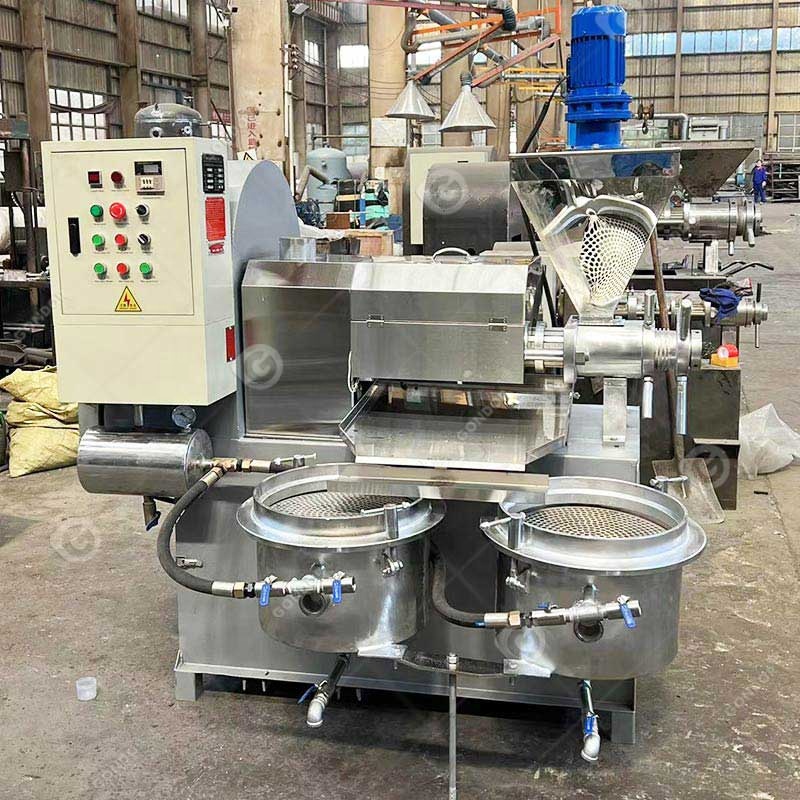
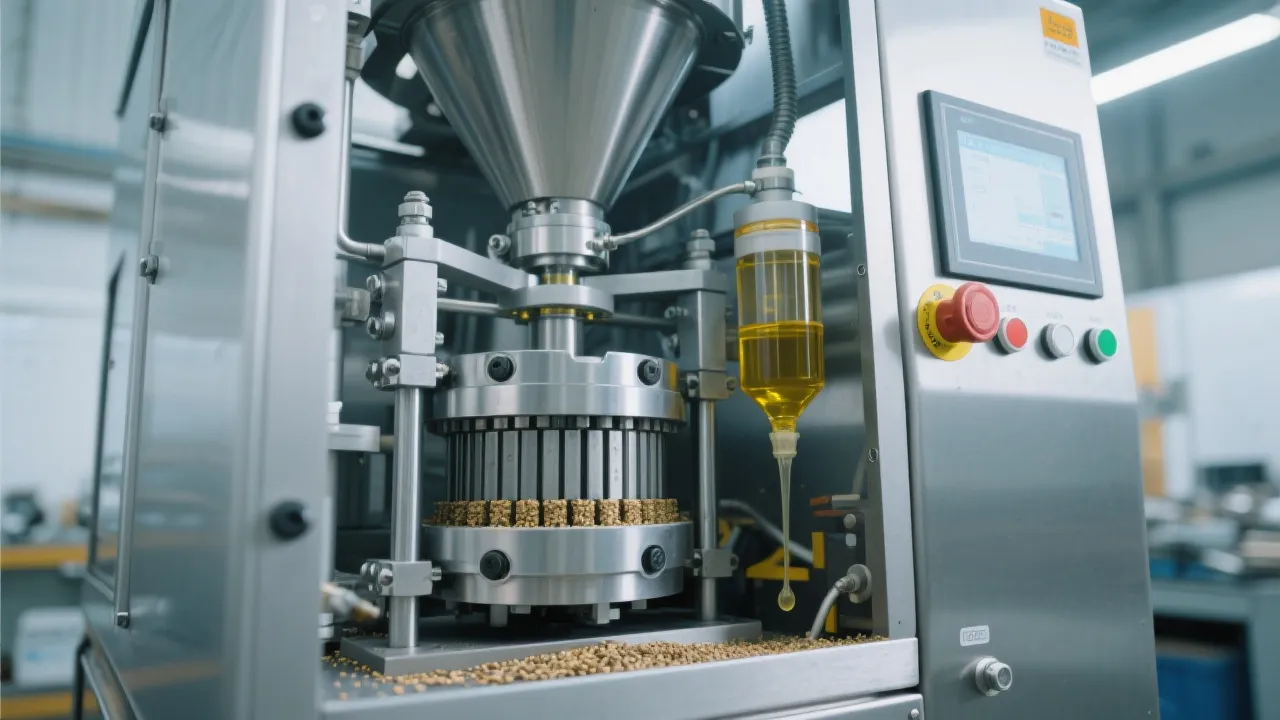
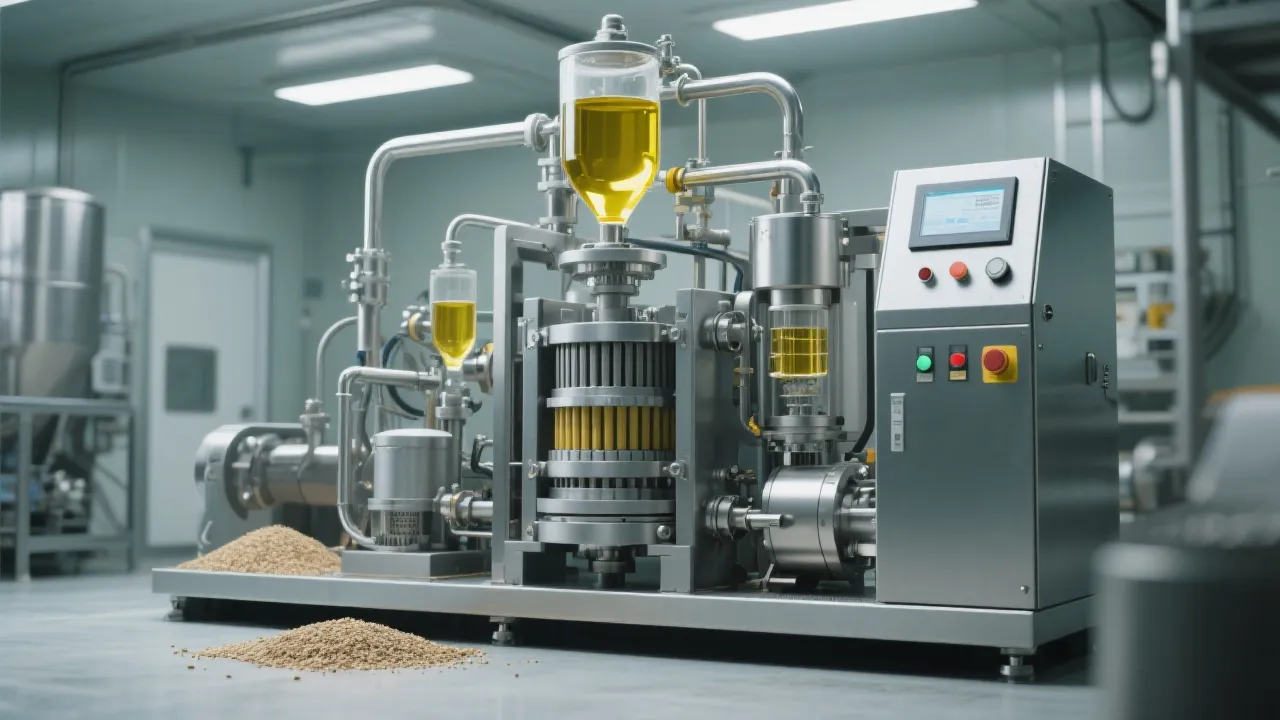
At the heart of the industrial spiral oil press lies a deceptively simple yet ingeniously engineered mechanism that transforms mechanical force into efficient oil extraction. The process begins as prepared oilseeds enter the feed hopper, where an auger system controls the material flow into the pressing chamber—a critical feature that prevents overfeeding and ensures consistent pressure distribution.
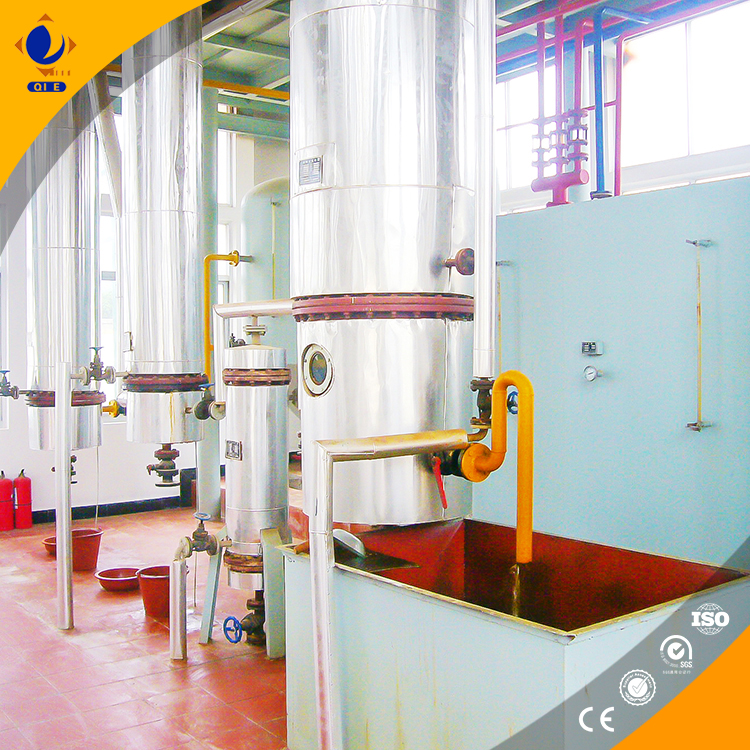
As seeds move through the pressing chamber, the spiral shaft's progressively decreasing pitch creates mechanical pressure that reaches up to 60 MPa—equivalent to the pressure exerted by six fully-loaded 18-wheel trucks concentrated on a single square inch. This immense pressure, combined with friction-generated heat (typically 40-65°C for cold pressing and 80-120°C for hot pressing), ruptures oil-bearing cells without requiring chemical assistance.
The integrated temperature control system ensures precise heat management, crucial for preserving delicate fatty acids and natural antioxidants in the final oil. This mechanical extraction process achieves an impressive 85-92% oil yield while maintaining the oil's nutritional integrity—a balance that has eluded many traditional extraction methods.
The decision between cold pressing and hot pressing depends on multiple factors, including the seed type, desired oil quality, and market positioning. Understanding the strengths of each method is crucial for making an informed equipment investment.
| Parameter | Cold Press Technology | Hot Press Technology |
|---|---|---|
| Temperature Range | 40-65°C | 80-120°C |
| Typical Yield | 85-88% | 89-92% |
| Nutrient Retention | Excellent (90-95%) | Good (75-85%) |
| Ideal Applications | Flaxseed, hemp, walnut, avocado | Soybean, sunflower, rapeseed, peanut |
| Market Positioning | Premium, organic, health-focused | Standard cooking oils, industrial applications |
For SMEs considering upgrading to spiral press technology, the return on investment becomes evident through multiple performance metrics. 企鹅集团 (Penguin Group) has documented numerous case studies where clients experienced transformative operational improvements after implementing their spiral press systems.
A 15-employee sesame oil producer in central China replaced their 15-year-old hydraulic press line with a Penguin Group spiral press system. Within six months, they documented:
Beyond financial metrics, spiral press technology offers compelling environmental benefits. The elimination of chemical solvents reduces water pollution by up to 80% compared to solvent extraction methods. Energy requirements are typically 30-40% lower than traditional pressing systems, while the resulting press cake maintains higher nutritional value for animal feed applications, creating an additional revenue stream for producers.
Consumers increasingly demand transparency and natural production methods, making solvent-free extraction a valuable marketing advantage. Oils produced through mechanical pressing often command 15-30% price premiums in specialty and organic markets, further enhancing profitability.
Choosing the appropriate spiral press requires careful evaluation of your specific needs. Key considerations include:
Many producers find that investing in a modular system allows for future expansion as their business grows. This approach prevents over-investment in underutilized capacity while providing a clear upgrade path as market demand increases.
Take our quick assessment to discover how much you could save with modern spiral press technology
Calculate Your Potential SavingsProper maintenance is critical for maximizing the lifespan and performance of your spiral press. Establishing a regular maintenance schedule that includes daily, weekly, and monthly tasks will prevent unexpected downtime and ensure consistent performance:
Most manufacturers provide detailed maintenance manuals and offer training programs to ensure operators understand proper care procedures. Many also offer service contracts that provide peace of mind and ensure timely support when needed.
Every oil producer's situation is unique, with specific challenges and goals that influence equipment decisions. What has been your experience with different extraction technologies? Have you encountered specific challenges that a spiral press might address? Share your thoughts and questions in the comments section below—our technical team regularly responds to industry inquiries.









.jpg?x-oss-process=image/resize,h_1000,m_lfit/format,webp)

