

Traditional edible oil refining processes have long been associated with significant environmental challenges. These processes often involve high energy consumption and substantial emissions of pollutants. For example, in a typical traditional refining plant, the energy consumption for refining one ton of edible oil can reach up to 500 kWh, and the carbon emissions can be around 200 kg. Moreover, the use of large amounts of chemicals in the refining process not only poses a threat to the environment but also has potential impacts on the quality of the final oil product. As environmental regulations become more stringent and consumer awareness of environmental protection grows, there is an urgent need for the industry to adopt more sustainable and environmentally friendly refining technologies.
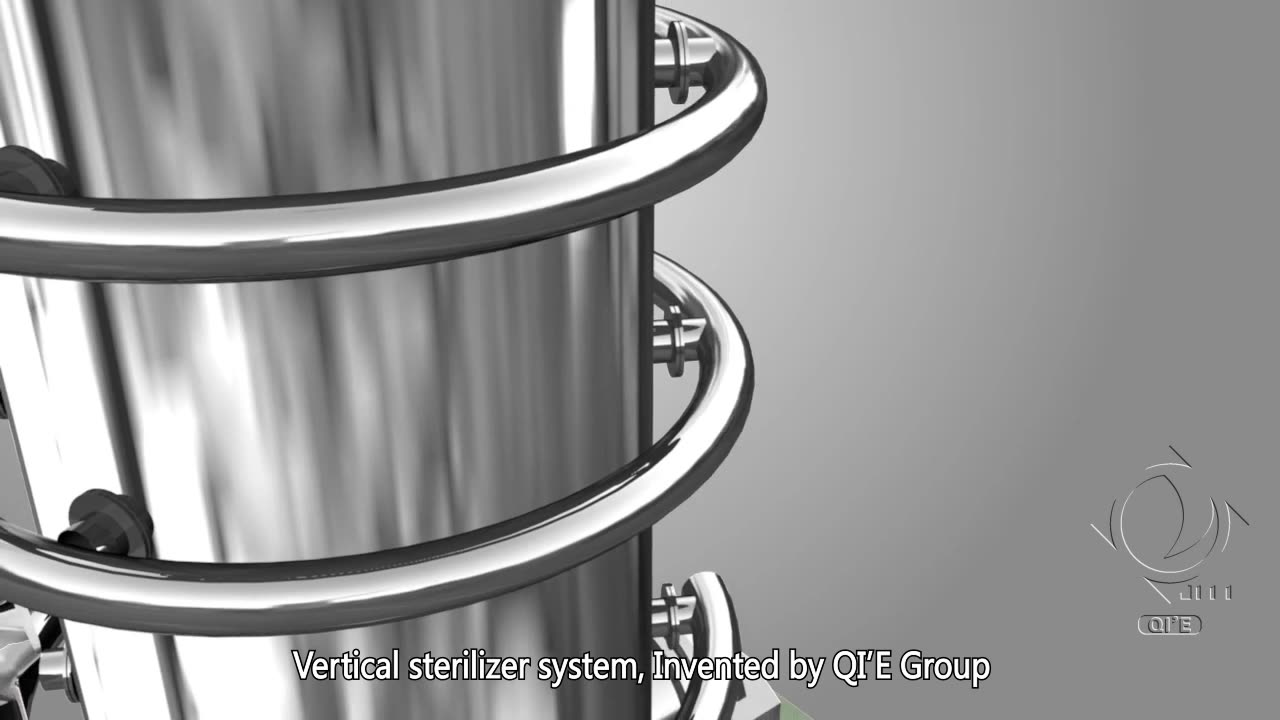
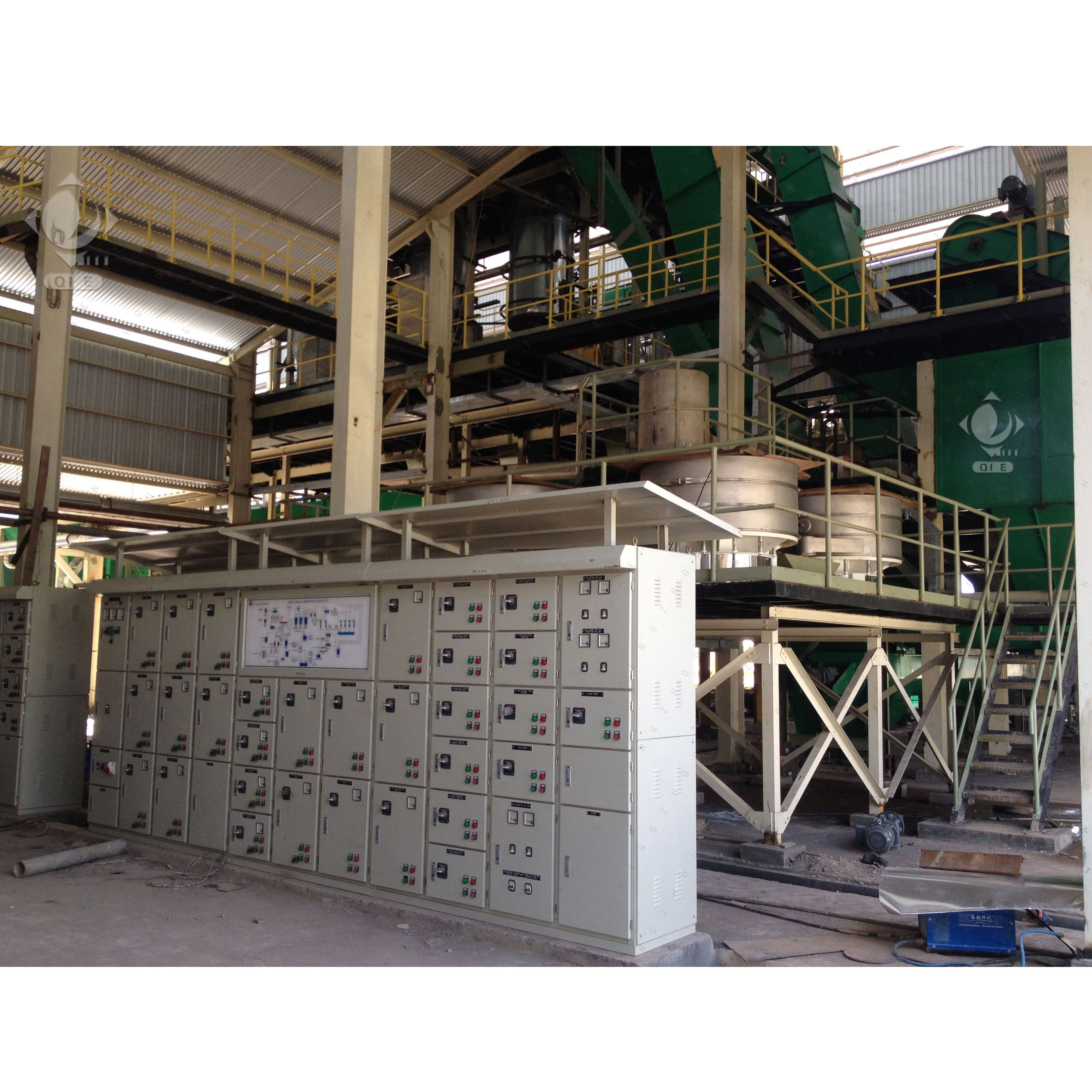
Automated control systems play a crucial role in the neutralization stage of edible oil refining. By precisely controlling the dosage of alkali and the reaction time, these systems can significantly improve the efficiency of neutralization. In a modern automated refining plant, the neutralization efficiency has been increased by 20% compared to traditional methods. This not only reduces the consumption of chemicals but also improves the quality of the oil by minimizing the formation of soapstock and other by - products.
In the decolorization process, automated control can optimize the use of adsorbents. By continuously monitoring the quality of the oil and adjusting the amount of adsorbent added in real - time, the system can ensure that the oil meets the required color standards while reducing the waste of adsorbents. On average, an automated decolorization system can reduce the adsorbent consumption by 15%, leading to cost savings and less environmental impact.
During deodorization, automated control can regulate the temperature, pressure, and steam flow more accurately. This results in a more efficient removal of odorous substances and volatile compounds from the oil. The energy consumption in the deodorization process can be reduced by 18% through the use of automated control systems, contributing to overall energy savings in the refining process.
.jpg)
Energy recovery technology is another key aspect of green edible oil refining. One of the most common energy recovery methods is the utilization of waste heat. In a well - designed energy recovery system, the waste heat from the deodorization process can be used to pre - heat the incoming crude oil. This can save up to 30% of the energy required for oil heating. Additionally, the steam condensate can be recycled and reused in the refining process, reducing the demand for fresh water and the energy needed for steam generation. Overall, energy recovery technology can reduce the total energy consumption of the refining process by about 25%, making the process more sustainable and cost - effective.
Adopting green refining technologies can significantly enhance a company's brand reputation. In today's market, consumers are more likely to choose products from companies that are committed to environmental protection. By achieving higher environmental compliance standards, edible oil manufacturers can differentiate themselves from their competitors. A recent market survey showed that companies with strong environmental credentials can increase their market share by up to 10%. Moreover, as more countries and regions introduce strict environmental regulations, companies that have already implemented green refining technologies will have a competitive edge in terms of regulatory compliance.
Green refining not only has environmental benefits but also brings significant long - term economic and social benefits. From an economic perspective, the reduction in energy consumption and chemical use directly leads to cost savings. Over a period of five years, a medium - sized edible oil refining plant can save up to $1 million in energy and chemical costs by implementing green refining technologies. Socially, green refining contributes to a cleaner environment and a healthier food supply. It helps to reduce the carbon footprint of the edible oil industry and promotes sustainable development.
In conclusion, the green upgrade of edible oil refining processes through the application of automated control systems and energy recovery technologies is a win - win strategy that combines cost reduction, efficiency improvement, and brand value enhancement. If you want to learn more about how to achieve green upgrading in your edible oil refining business, click here to explore our innovative solutions.


.jpg?x-oss-process=image/resize,h_1000,m_lfit/format,webp)

 <#else>