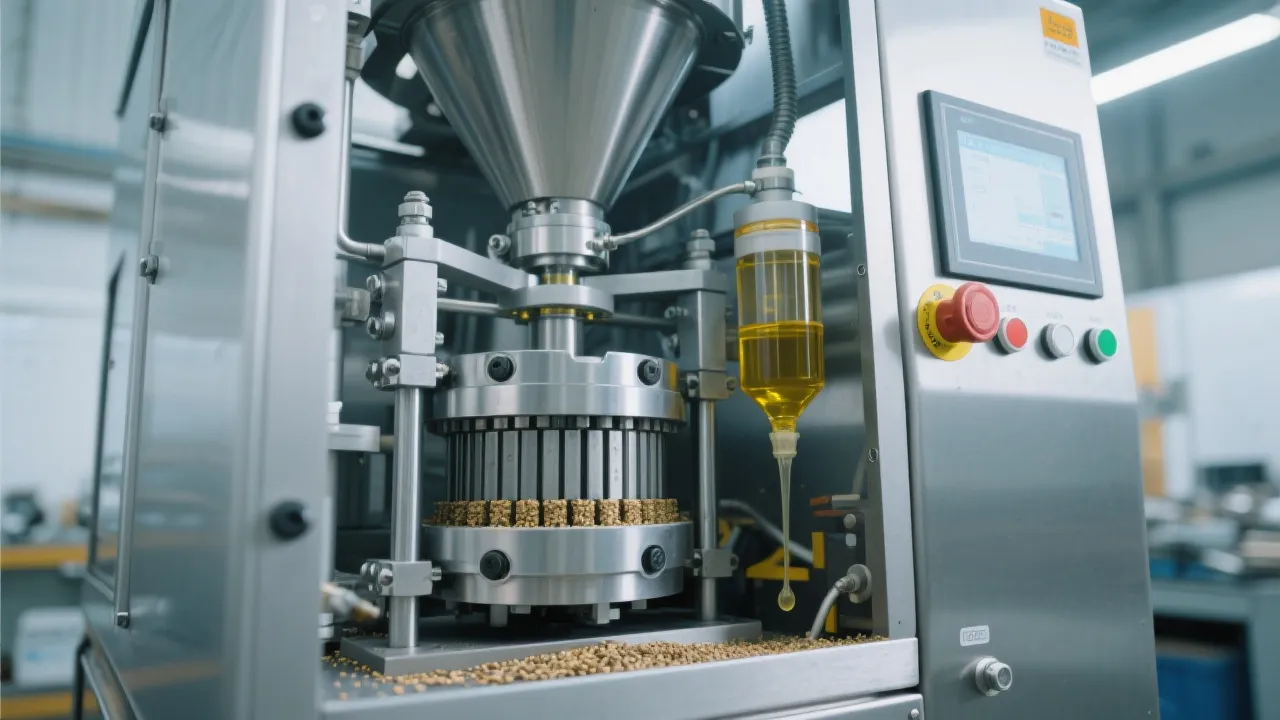
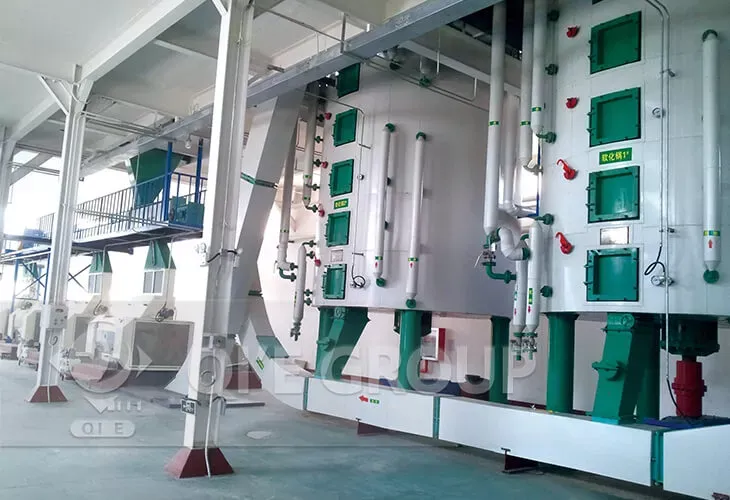
Investing in an oil mill requires careful financial planning and a clear understanding of the key cost drivers that can make or break your project's profitability. Whether you're considering a small-scale operation or a large industrial facility, recognizing these critical factors will help you allocate resources wisely and avoid common financial pitfalls in the oil processing industry.
The type of oilseed you plan to process significantly impacts both initial investment and ongoing operational costs. Different oilseeds require specialized processing equipment and have varying yield rates, directly affecting your bottom line.
"Selecting the right oilseed for your target market is a strategic decision that influences every aspect of your mill design and budget allocation. Investors should conduct thorough market research on local demand, supply chain logistics, and processing requirements before finalizing their oilseed focus." — Oil Processing Industry Report, 2023
For example, palm oil processing typically requires higher initial investment in sterilization equipment, while soybean processing demands more sophisticated extraction technology. Sunflower and rapeseed mills often have more flexible equipment configurations that can be scaled gradually as your business grows.
Capacity planning is a critical balancing act between meeting market demand and maintaining cost efficiency. Small-scale oil mills (processing 1-5 tons per day) generally require an initial investment ranging from $50,000 to $150,000, while medium facilities (10-50 tons per day) typically need $200,000 to $800,000. Large industrial mills processing over 100 tons per day can require investments exceeding $2 million.
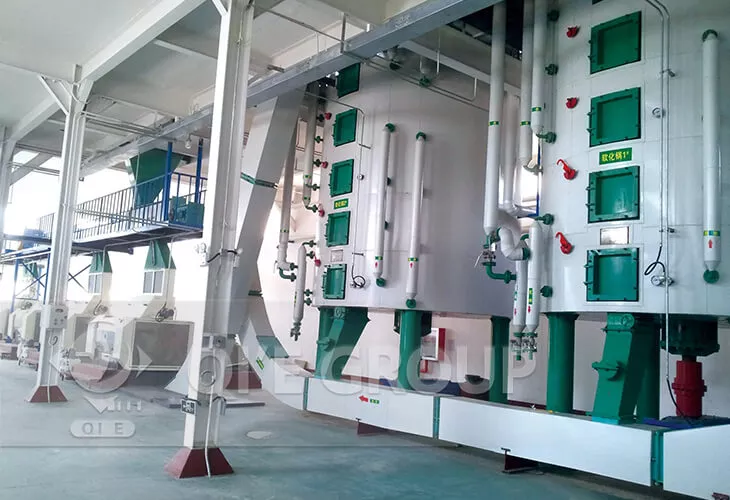
It's important to note that while larger facilities benefit from economies of scale, they also carry higher operational risks and require more sophisticated management. Many successful investors start with moderate capacity and expand gradually as they establish market share and cash flow.
The level of automation in your oil mill directly impacts labor costs, production efficiency, and product consistency. Basic manual systems require lower initial investment but higher ongoing labor expenses and often result in more variable product quality.
| Equipment Type | Initial Cost Impact | Operational Advantage |
|---|---|---|
| Semi-automatic | Moderate (+20-30% vs manual) | 50-60% labor reduction, improved consistency |
| Fully automatic | Significant (+50-100% vs manual) | 70-85% labor reduction, high consistency, remote monitoring |
Modern oil processing equipment from reputable suppliers like 企鹅集团 offers modular automation options that allow businesses to start with essential automated functions and add more advanced features as their operations grow. This approach helps manage initial capital outlay while positioning the business for future efficiency gains.
Your chosen location affects multiple cost components, including land prices, construction costs, utility expenses, and labor rates. Proximity to raw materials and target markets also significantly impacts transportation costs over the lifetime of your operation.
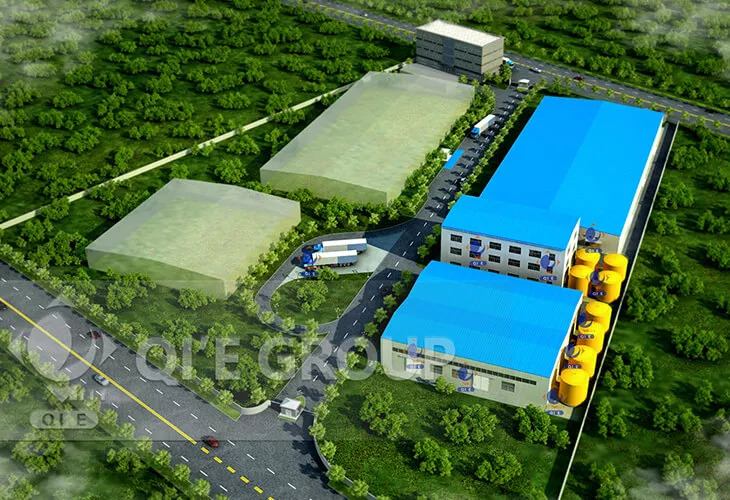
For instance, establishing a mill near major oilseed growing regions can reduce raw material transportation costs by 15-30%. Industrial zones often offer tax incentives and improved infrastructure that offset higher land costs. Coastal locations may provide logistical advantages for export-oriented operations but require additional investments in corrosion protection for equipment.
Many new investors underestimate the infrastructure costs associated with oil mill operations. Beyond processing equipment, you'll need to budget for storage facilities (both for raw materials and finished products), waste management systems, quality control laboratories, and employee facilities.
These infrastructure elements typically represent 15-25% of the total initial investment but are critical for compliance, operational efficiency, and product quality control.
Oilseed prices can fluctuate significantly due to weather conditions, global supply chains, and market demand. These fluctuations directly impact your production costs and profit margins, making effective supply chain management essential for long-term success.
Smart investors develop diversified supply sources and implement strategic purchasing practices to mitigate price volatility. Some choose to establish direct relationships with local farmers to secure more stable pricing and ensure consistent quality. Others invest in futures contracts to lock in prices for critical raw materials.
Understanding these six critical cost factors is essential for developing a realistic budget and financial plan for your oil mill investment. By carefully analyzing each component and how they interrelate, you can make informed decisions that optimize your initial investment and long-term profitability.
Download Your Comprehensive Oil Mill Investment GuideMany successful oil mill operators emphasize the importance of building contingency into your budget—typically 10-15% of the total investment—to address unexpected costs or market changes. By taking a methodical approach to cost planning and focusing on both immediate needs and long-term sustainability, you'll position your oil mill business for success in this dynamic industry.


.jpg?x-oss-process=image/resize,h_1000,m_lfit/format,webp)