

For investors entering the edible oil processing industry, one of the most critical decisions that directly impacts your bottom line is selecting the right oilseed type for your facility. The choice between soybeans, rapeseed, peanuts, or other oilseeds isn't just about market demand—it fundamentally shapes your capital investment, operational costs, and long-term profitability. In this comprehensive guide, we'll walk through proven strategies that successful oil mill operators use to optimize construction costs without compromising on quality or efficiency.
The first step in building a cost-effective oil mill is making an informed choice about which oilseeds to process. Each oilseed type presents distinct requirements in terms of processing equipment, facility design, and operational costs.
Industry Insight:
According to data from the International Food Policy Research Institute, soybean processing facilities typically require 15-20% higher initial investment compared to peanut processing plants of similar capacity, primarily due to more complex dehulling and protein separation equipment.
When evaluating oilseed options, consider three critical factors:
Proximity to oilseed production areas significantly reduces transportation costs. For example, establishing a rapeseed processing facility near major canola-growing regions in Canada or Europe can reduce raw material logistics expenses by up to 30% compared to importing seeds from distant locations.

Some oilseeds require more intensive processing than others. Palm oil processing, for instance, necessitates specialized sterilization and pressing equipment that can increase initial investment by 25-35% compared to simpler sunflower seed processing lines. Assessing your target oilseed's specific processing needs is crucial for accurate cost planning.
While it's important to consider production costs, market demand should not be overlooked. High-demand oilseeds like soybeans may offer better profit margins despite higher processing costs. Historical data shows that soybean oil prices have maintained a 4-6% annual growth rate over the past decade, outpacing some other vegetable oils.
One of the most common mistakes in oil mill construction is overestimating capacity requirements, leading to underutilized equipment and wasted capital expenditure. The key is to balance current market demand with future growth projections.
Industry benchmarks suggest that operating at 75-85% of installed capacity yields the optimal balance between efficiency and cost-effectiveness. Facilities operating below 60% capacity often struggle to achieve profitability due to fixed cost摊销.
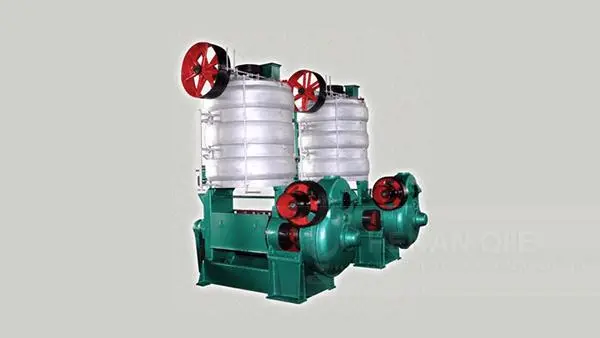
The equipment采购 represents a significant portion of your initial investment, typically accounting for 40-60% of total construction costs. Making smart equipment choices requires balancing automation, durability, maintenance requirements, and upfront cost.
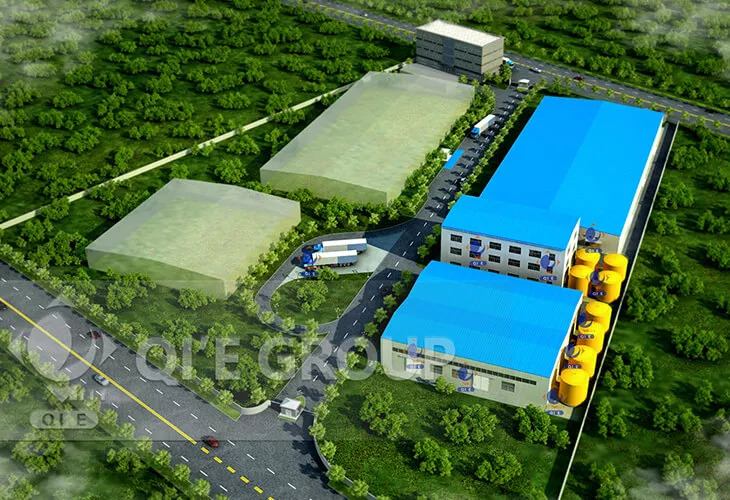
While fully automated lines reduce labor costs and increase consistency, they come with higher initial investment and maintenance expenses. For new entrants, a semi-automated approach often provides the best return on investment, allowing for future automation upgrades as cash flow permits.
Key Equipment Cost-Saving Strategies:
Consider gently used but well-maintained equipment for non-critical processing stages, which can reduce costs by 30-40% without significantly impacting product quality. Focus on investing in high-quality核心 components like presses and separators that directly affect oil yield and quality.
Selecting the right location for your oil mill involves evaluating multiple factors beyond just land price. Labor costs, utility expenses, transportation infrastructure, and proximity to both raw materials and markets all play critical roles in long-term operational efficiency.
Proximity to major transportation routes can reduce both inbound (raw material) and outbound (finished product) logistics costs. A study by the World Bank found that transportation costs can account for 15-25% of total operational expenses in the edible oil industry.
Energy-intensive processes like oil extraction and refining make utility costs a significant ongoing expense. Areas with access to affordable electricity and water can reduce operational costs by 10-15% annually compared to regions with higher utility rates.
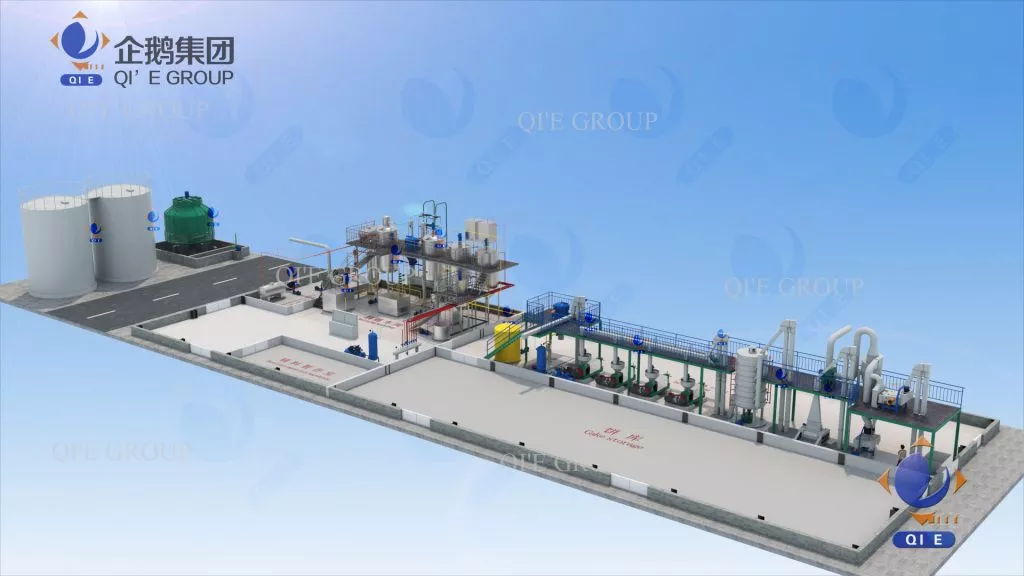
Implementing energy and water conservation measures during the design phase yields significant long-term savings. Modern oil mills can reduce energy consumption by 20-30% through heat recovery systems and efficient motor designs.
Water recycling systems not only reduce freshwater consumption but also minimize wastewater treatment costs. Industry leaders report water savings of up to 40% through closed-loop systems, providing both environmental and financial benefits.
Take our quick assessment to identify potential cost savings in your oilseed selection and facility design.
Optimize My Oil Mill ProjectBy carefully evaluating oilseed options, planning capacity strategically, selecting appropriate equipment, choosing the right location, and implementing efficient utility systems, you can significantly reduce your oil mill construction costs while building a facility that delivers strong returns for years to come. The企鹅集团 has helped numerous investors navigate these critical decisions, leveraging decades of industry experience to create cost-effective, high-performance oil processing facilities around the globe.
Remember, the goal isn't just to build an oil mill—it's to build a profitable, sustainable business that can adapt to changing market conditions and grow with your success. With the right planning and expertise, you can achieve both objectives while optimizing your initial investment.






.jpg?x-oss-process=image/resize,h_1000,m_lfit/format,webp)







.jpg?x-oss-process=image/resize,h_1000,m_lfit/format,webp)