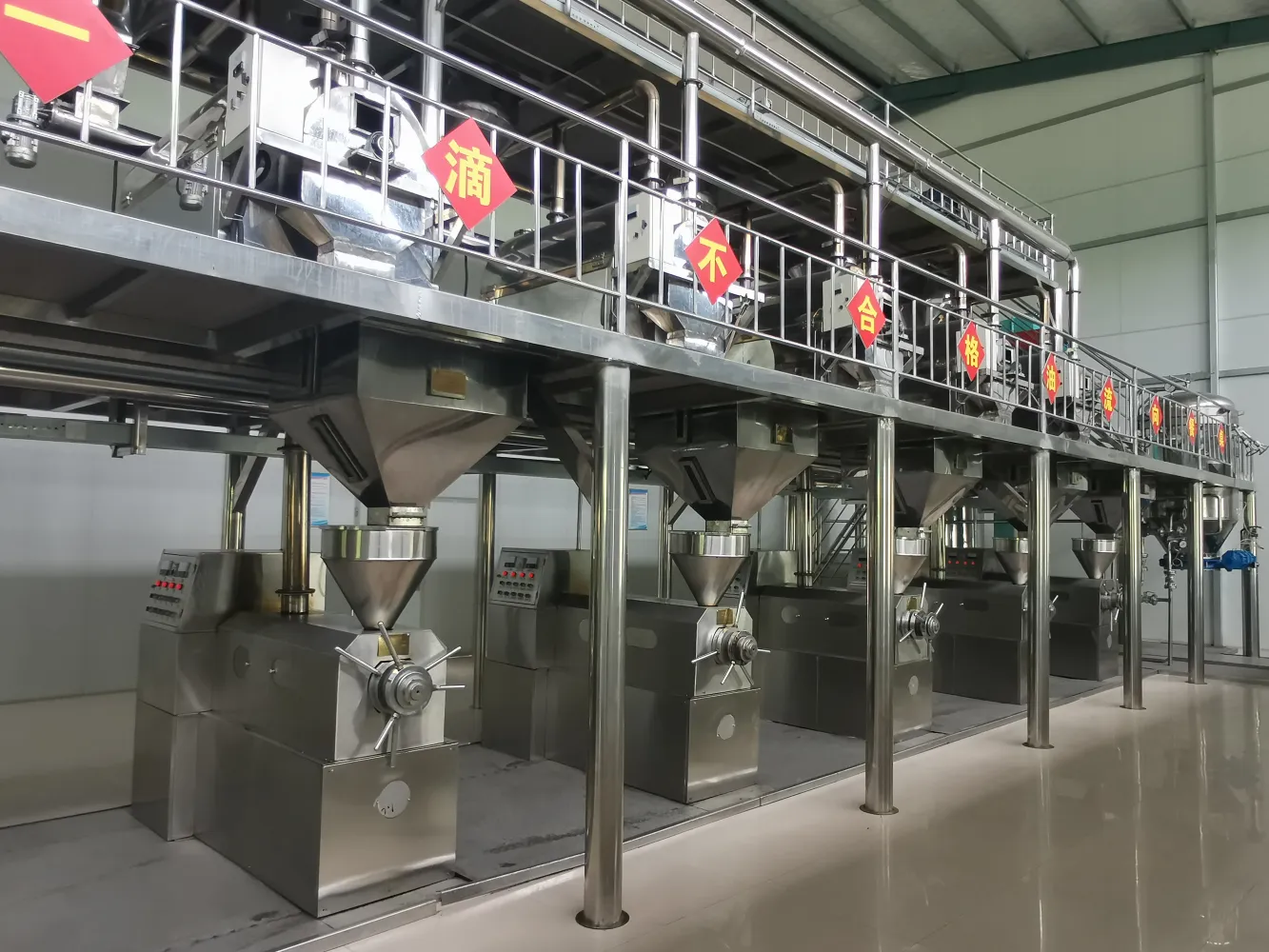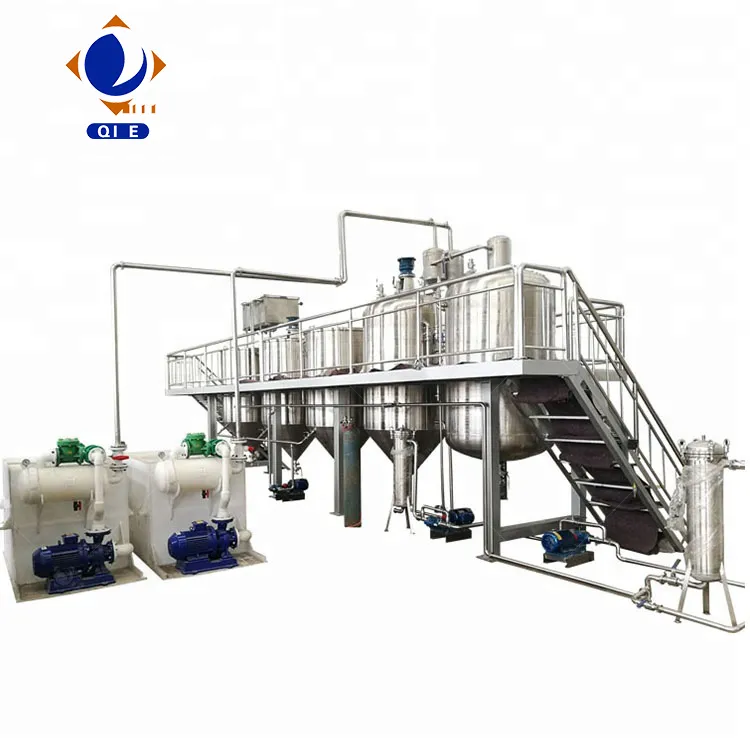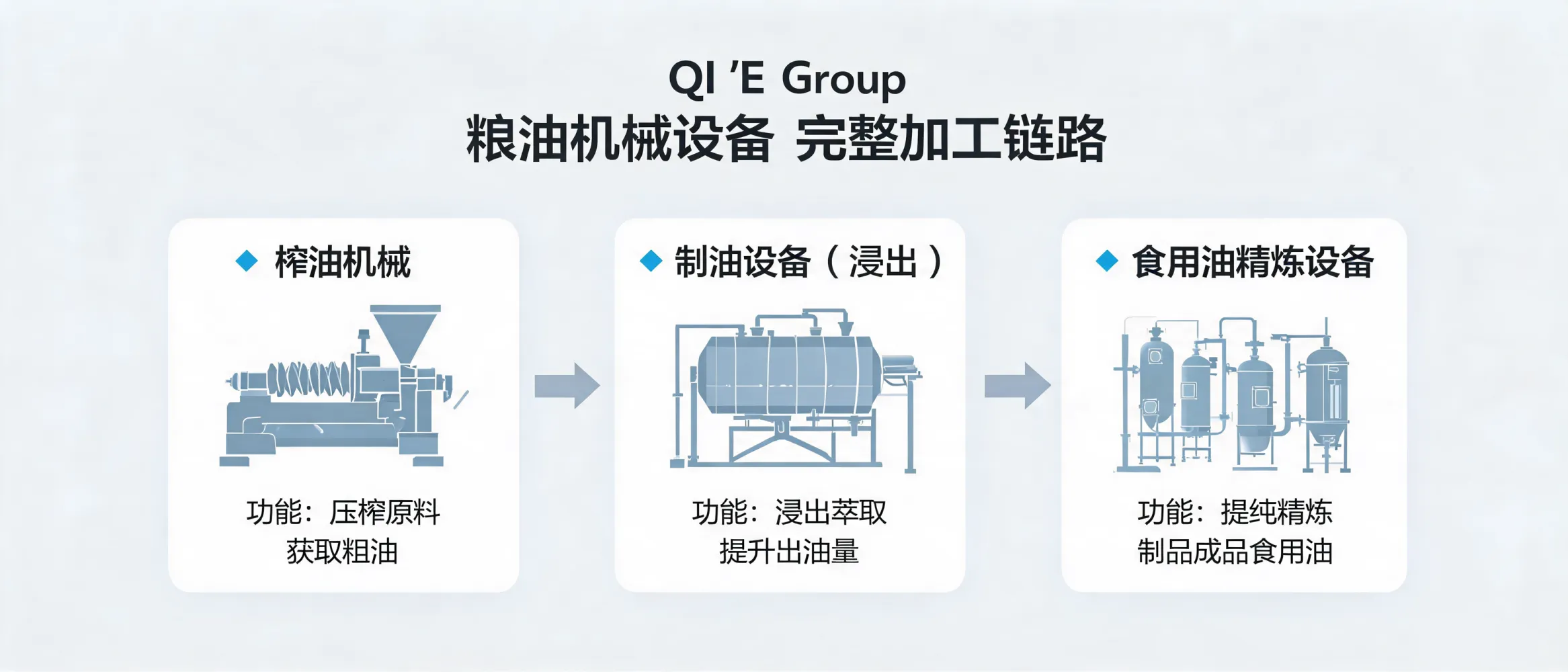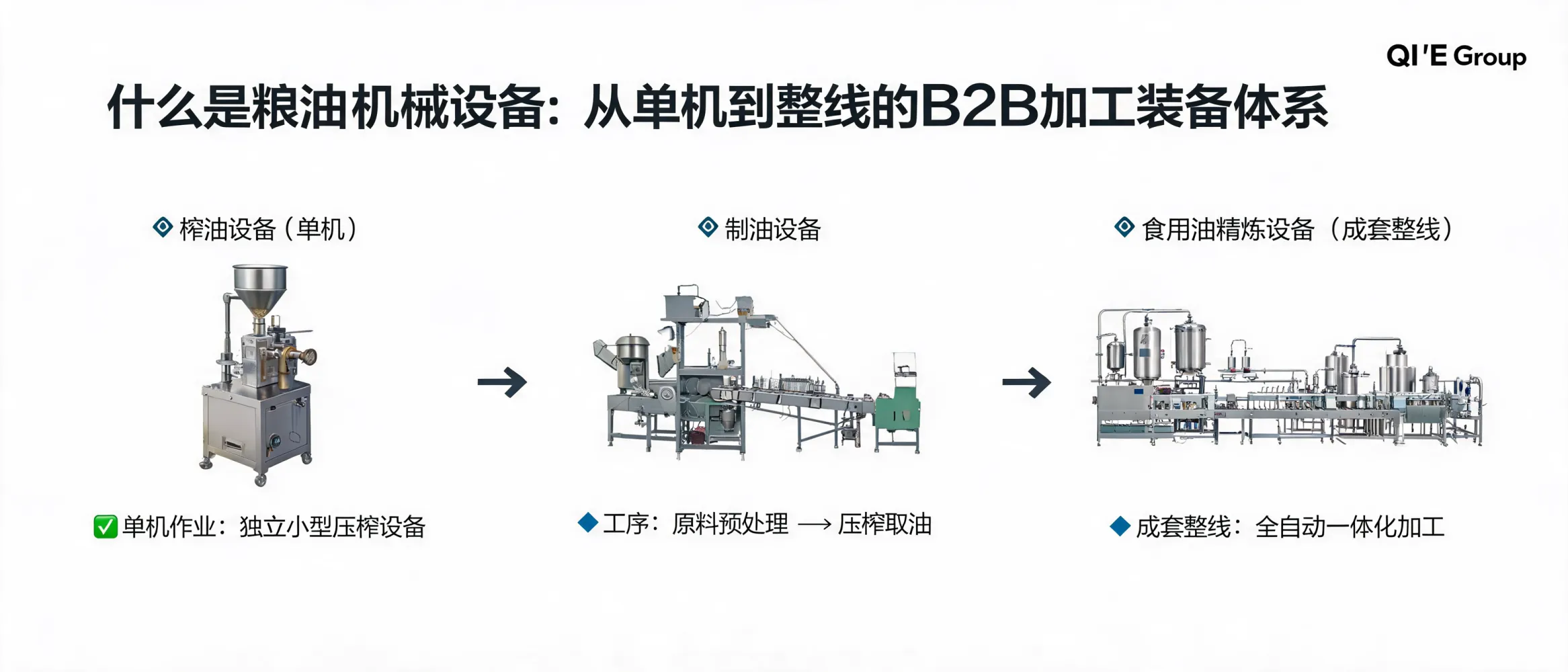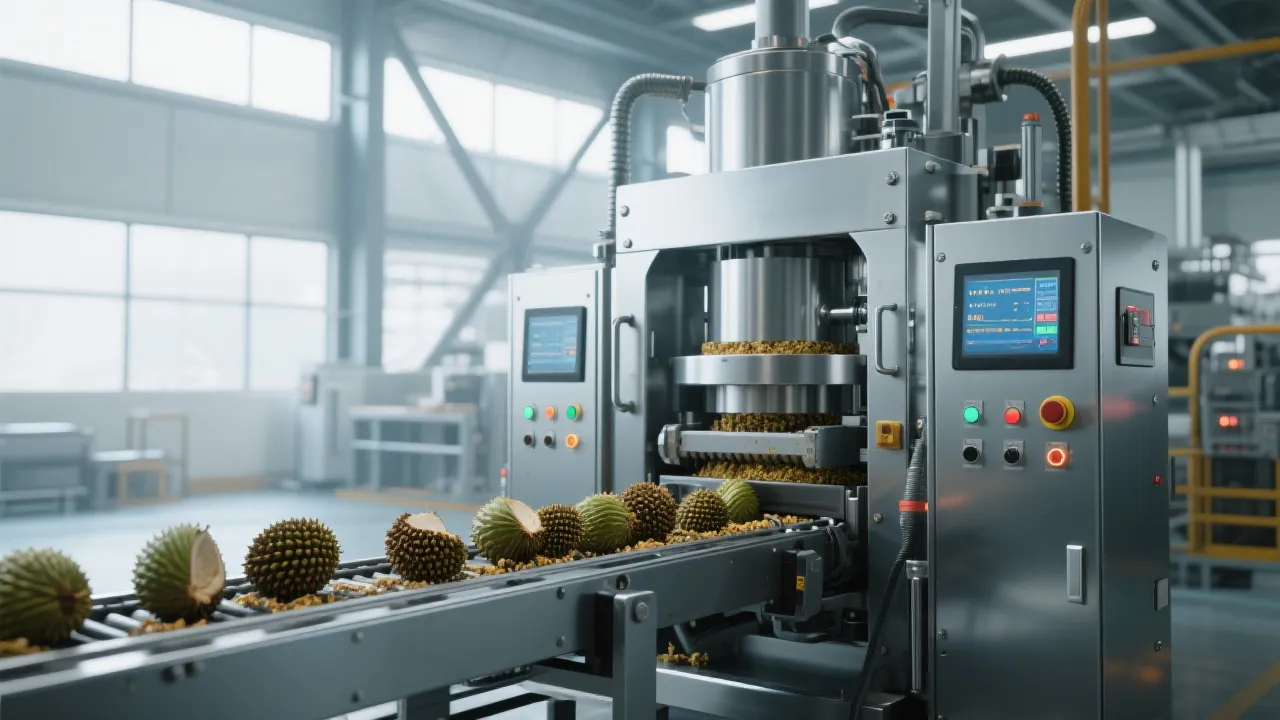
Selecting the optimal oil processing technology is a critical decision that directly impacts production efficiency, product quality, and overall profitability. Whether you're establishing a new oil mill or upgrading existing facilities, understanding the distinct characteristics of cold press, hot press, and solvent extraction processes is essential for aligning your operation with market demands and business objectives. Qi'e Grain and Oil Machinery Co., Ltd., with decades of experience in oil processing equipment manufacturing, presents this comprehensive technical comparison to guide your decision-making process.
The cold press method extracts oil from seeds and nuts using mechanical pressure without preheating the raw materials. Operating temperatures typically remain below 60°C (140°F), preserving the natural properties of the oil.
Hot press processing involves preheating the raw materials to temperatures between 100-120°C (212-248°F) before mechanical pressing. This heat treatment breaks down cellular structures and increases oil flow.
Solvent extraction uses food-grade solvents to dissolve and extract oil from oil-bearing materials. This method is typically followed by refining processes to remove solvent residues and impurities.
| Comparison Factor | Cold Press | Hot Press | Solvent Extraction |
|---|---|---|---|
| Suitable Raw Materials | High-oil content seeds (flax, sesame, walnut, olive) | Oilseeds requiring flavor development (peanut, sunflower) | Low-oil content materials, large-scale production (soybean, rapeseed) |
| Oil Yield | Lower (60-75% of available oil) | Medium (75-85% of available oil) | Highest (95-98% of available oil) |
| Oil Characteristics | Natural flavor, higher nutrients, requires minimal refining | Stronger flavor, darker color, moderate refining needed | Neutral taste, requires comprehensive refining |
| Equipment Investment | Lower (simple pressing equipment) | Medium (pressing + heating equipment) | Higher (extraction + refining system) |
| Energy Consumption | Low | Medium (heat requirement) | High (solvent recovery, refining processes) |
| Production Scale | Small to medium | Medium | Large scale |
Cold press technology is ideal for producers targeting premium, health-conscious markets. It works best with high-value oilseeds where preserving natural nutrients and flavor justifies the lower yield. Qi'e Grain and Oil Machinery's cold press oil machine lineup offers efficient solutions for small to medium-scale operations focusing on specialty oils.
Hot pressing is well-suited for medium-scale operations processing oilseeds like peanuts, sunflower seeds, and cottonseeds where flavor development and higher yield are priorities. This technology balances equipment investment and operational complexity while delivering good quality edible oils for mainstream markets.
Solvent extraction becomes economically viable for large-scale operations processing low-oil-content materials such as soybeans and rapeseed. Qi'e Grain and Oil Machinery's vegetable oil solvent extractor systems are designed for maximum efficiency and compliance with international food safety standards, making them suitable for industrial-grade oil production.
"The choice between cold press, hot press, and solvent extraction technologies should align with your raw material characteristics, production scale, product positioning, and investment capacity. Many successful operations combine these technologies in integrated production lines to maximize efficiency and product diversity."
As a leading provider of oil processing equipment with installations in over 120 countries, Qi'e Grain and Oil Machinery Co., Ltd. offers comprehensive support to help you evaluate and select the optimal processing technology. Our product portfolio includes specialized equipment for each method, from multifunction oil press machines to complete soybean oil production lines and edible oil refinery machines.
Our team of technical experts provides personalized consultation, analyzing your specific requirements to recommend the most suitable processing solution. We believe in establishing long-term partnerships based on诚信 (integrity), 互利 (mutual benefit), and 共荣 (shared prosperity) – principles that have guided our operations since our founding.