
Coconut oil, recognized globally for its rich nutrition and versatile health benefits, has grown in popularity within health-conscious and culinary markets. However, traditional extraction methods often compromise its natural flavor and nutritional content, while posing environmental challenges. This case study explores how modern coconut oil press machines revolutionize the extraction process, enhancing both efficiency and product quality while supporting sustainable practices.
Conventional coconut oil extraction typically involves manual or semi-mechanized cold pressing and solvent-based methods. These approaches often suffer from low oil yield, nutrient degradation due to heat exposure, and environmental concerns caused by solvent residues or high energy consumption. For instance, solvent extraction methods may lead to residual chemicals, while manual pressing yields as low as 30-40% oil extraction efficiency, limiting both product quantity and quality.
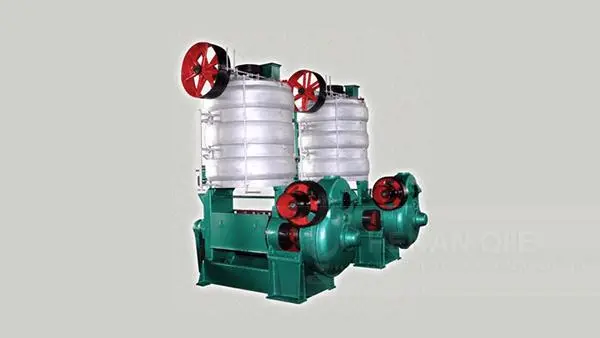
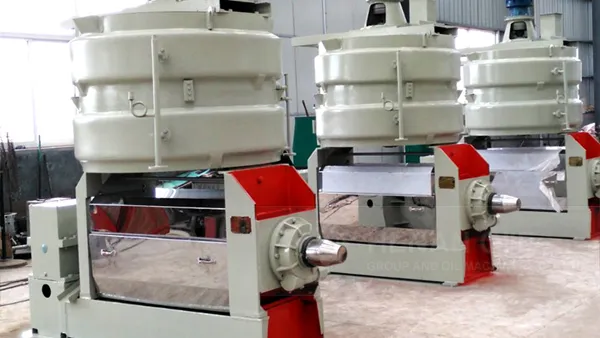
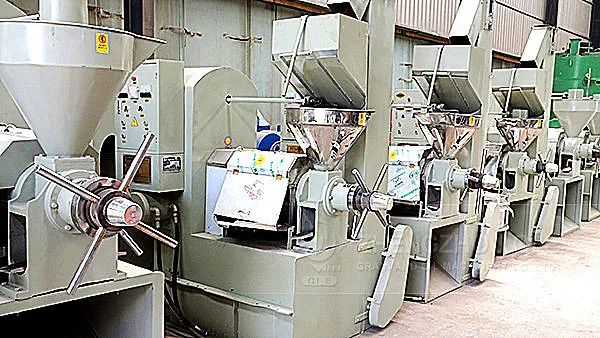
Modern coconut oil press machines integrate precision temperature control, optimized screw press design, and continuous processing capabilities. These features significantly improve oil recovery rates, which can increase from traditional values of 40% to as high as 65-70%, while preserving essential nutrients like lauric acid, antioxidants, and natural flavor compounds.
Key technological advantages include:
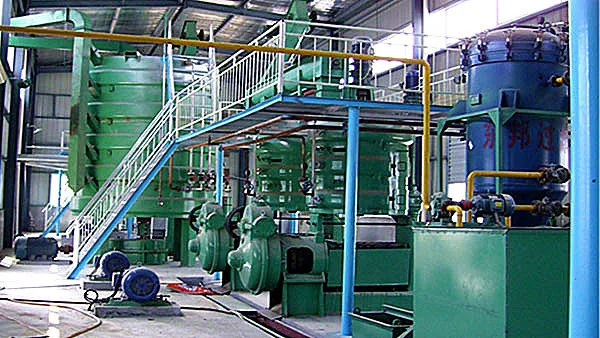
A coconut oil processing facility implemented a cutting-edge press machine to optimize their entire extraction workflow. The comprehensive process began with meticulously sorted mature coconuts, ensuring raw material consistency. Pre-processing steps, including dehusking and drying, were refined to reach optimal moisture levels (~10-12%), promoting efficient oil expression.
The press machine operated under controlled parameters—spindle speed at 30 RPM, pressing temperature maintained below 45°C—and achieved an oil yield increase of 35% compared to prior methods, elevating yield from roughly 42% to approximately 57%. Quality analysis confirmed retention of >90% of lauric acid content and markedly lower peroxide values, indicators of excellent oxidative stability.
The case facility’s analytical testing demonstrated that the machine’s low-heat operation crucially preserves bioactive compounds responsible for coconut oil’s renowned health benefits. Sensory evaluations reported a richer, fresher flavor profile, with notably reduced off-notes often associated with thermal degradation.
Such preservation enhances the product’s appeal for health-focused consumers seeking unrefined, nutrient-rich cooking oils that complement ketogenic, paleo, and plant-based diets worldwide.
Beyond product quality, the press machine significantly reduces energy consumption—by approximately 20-25% compared to traditional hydraulic presses—via its energy-efficient motor and process automation. The elimination of chemical solvents further reduces hazardous waste generation.
These improvements align with global sustainability goals, enabling producers to minimize their carbon footprint and comply with increasingly stringent environmental regulations.

The versatility of modern coconut oil press machines extends beyond oil extraction. Some models offer modular attachments enabling the pressing of other oilseeds, expanding product portfolios while optimizing capital investment. Additionally, by-products such as coconut cake can be efficiently separated and repurposed as animal feed or organic fertilizer.
This multifunctionality empowers manufacturers to adapt to market trends, meet diversified customer demands, and improve overall operational profitability.










 <#else>