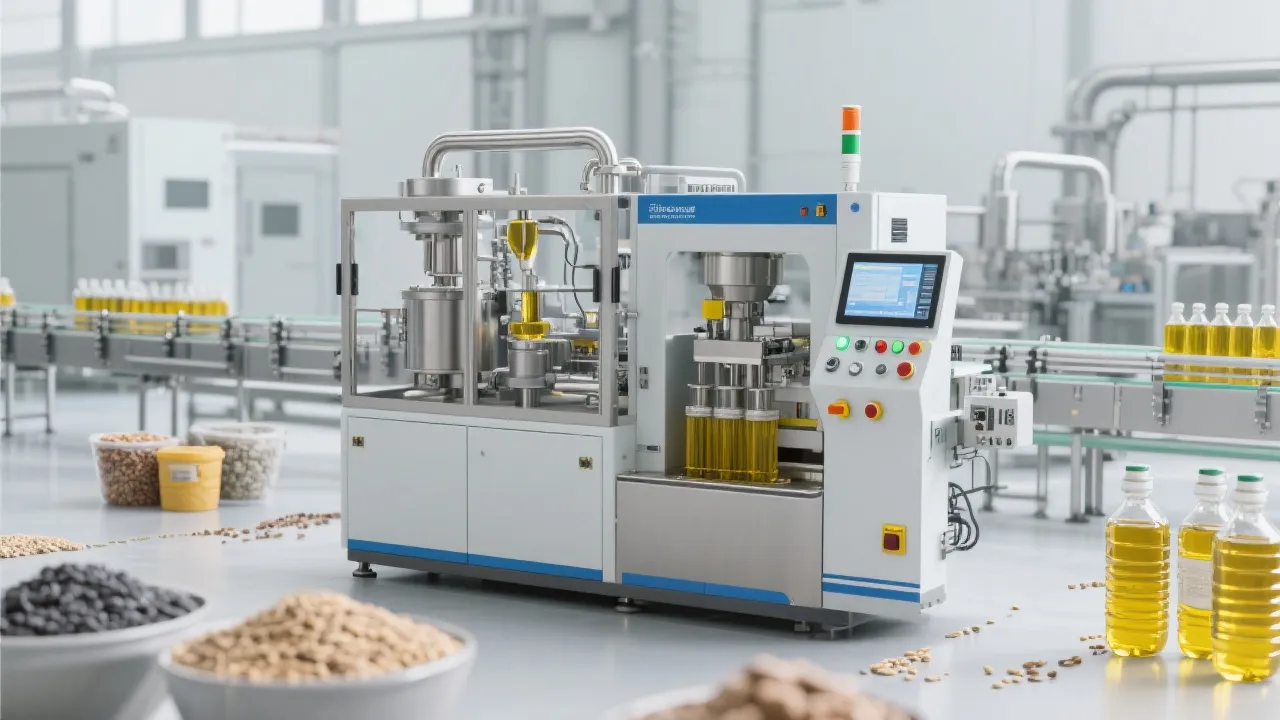
Choosing the right seed oil extraction press isn’t just about buying equipment—it’s about optimizing yield, reducing waste, and ensuring long-term operational efficiency. Whether you're processing soybeans, sunflower seeds, or high-value nuts like almonds, understanding how raw material characteristics influence machine selection is critical.
High-oil-content materials (like soybeans at ~20% oil) benefit from continuous screw presses—these offer up to 95% oil recovery with minimal downtime. For low-oil crops (e.g., flaxseed at ~35–45%), a batch hydraulic press might be more efficient, especially when combined with pre-pressing steps. Industry data shows that using mismatched equipment can reduce extraction efficiency by up to 15%, increasing both cost per liter and environmental impact.
If your operation plans to process 500 kg/hour or more, consider industrial-grade single-screw presses with automatic feeding systems—these typically deliver 20–30% higher throughput than manual models. Our clients in India and Brazil report average energy savings of 12% when upgrading from older plate-type presses to modern hydraulic ones, thanks to better torque control and reduced mechanical friction.
Yes—and it matters. A well-maintained screw press may require only 2–3 hours of weekly service, while older piston-style machines often need daily checks due to wear on seals and valves. According to a 2023 study by the International Society of Agricultural Machinery, companies that invest in modular, easy-to-clean designs see 40% lower annual maintenance costs over five years.
Modern multi-purpose presses allow quick changeovers—from rapeseed to pumpkin seeds—with adjustable pressure settings and interchangeable die plates. This flexibility supports small-scale producers looking to diversify their product lines without investing in multiple machines. One client in Kenya successfully switched from sesame to neem oil using the same unit, saving $8K in capital expenditure.
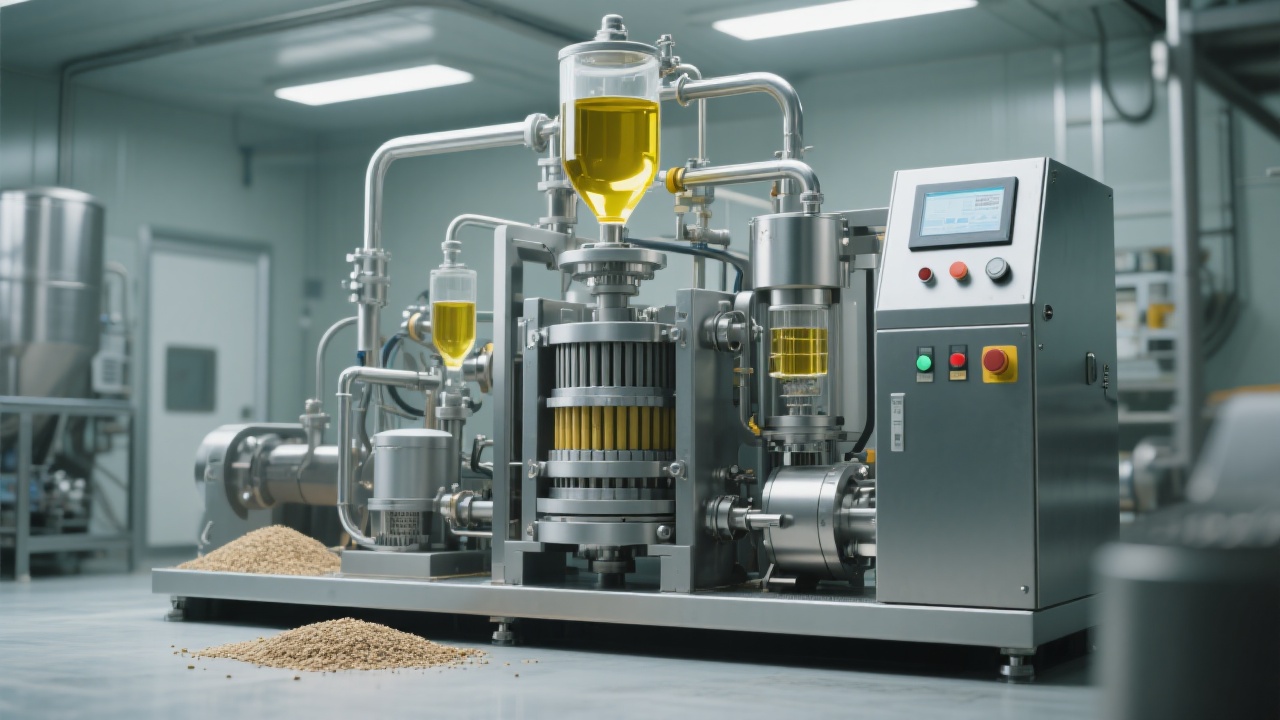
Ultimately, the best seed oil press isn't the most expensive—it's the one that aligns perfectly with your raw material profile, volume goals, and sustainability targets. With clear technical guidance and real-world benchmarks, you’re not just selecting a machine—you’re future-proofing your business.
Get a free consultation with our engineering team to match your specific needs—whether you’re starting out or scaling up.
Explore Custom Seed Oil Press Solutions Now