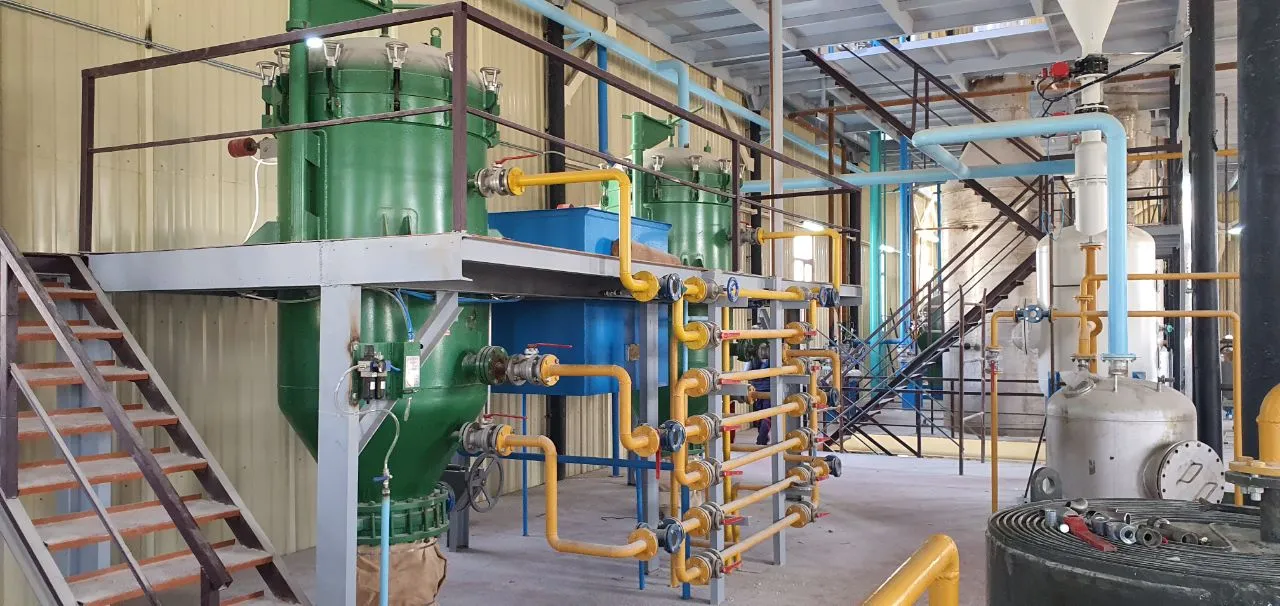

Are you struggling to maximize oil yield from different seed materials? Ever wondered why your sunflower seeds extract at 18% while industry leaders achieve 22%? The secret lies not in the machine itself, but in how you prepare your raw materials and calibrate your equipment. This guide will transform your oil extraction process from guesswork to precision science.
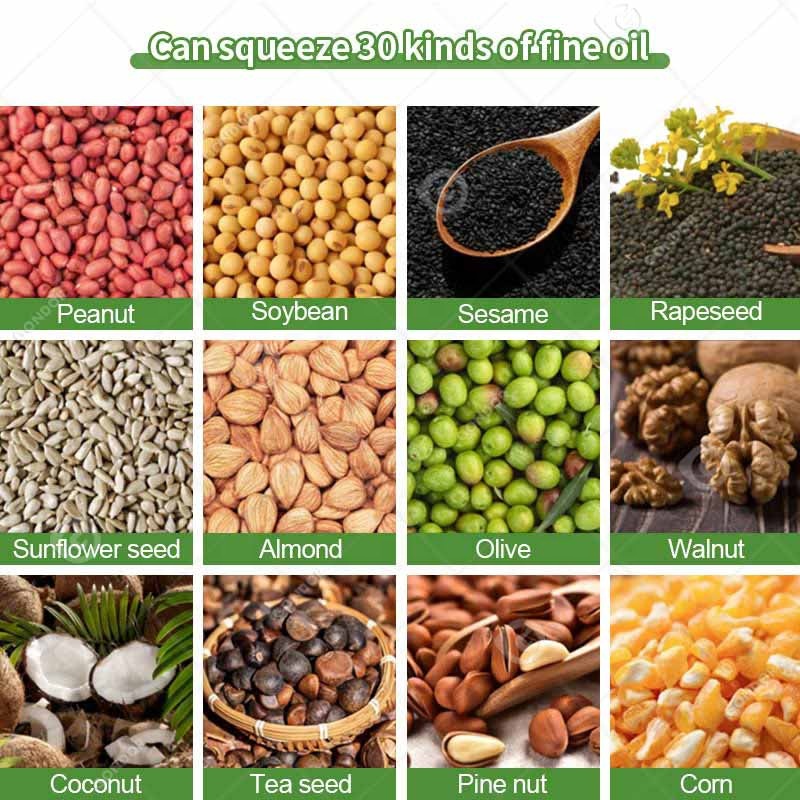
Every seed type has unique characteristics that demand specific handling. What works for soybeans will fail for almonds, and ignoring these differences costs manufacturers an average of 15-20% in potential oil yield according to the International Association of Edible Oil Manufacturers (IAEOM). Let's examine the critical variables:
Industry Insight:
A leading European oil processor increased their rapeseed yield by 18% simply by adjusting pre-treatment parameters to match seasonal moisture content variations.
Optimal moisture levels vary dramatically across seed types:
Deviating by just 2% from these ranges can reduce yield by up to 8% and increase energy consumption by 12%. Invest in a reliable moisture meter – it will pay for itself within weeks.
Foreign materials like stones, metal particles, and broken seeds don't just damage your equipment – they contaminate your oil and reduce efficiency. Implement a three-stage cleaning process:
Food safety regulations increasingly require documentation of cleaning processes. A proper cleaning setup reduces maintenance costs by 30% and extends equipment lifespan by 2-3 years.
Different seeds require specific particle sizes for optimal oil extraction:
| Seed Type | Optimal Particle Size | Recommended Equipment |
|---|---|---|
| Soybeans | 4-6mm flakes | Roller mill |
| Sunflower Seeds | 3-5mm fragments | Hammer mill with 5mm screen |
| Peanuts | 6-8mm pieces | Cracker and aspirator |
| Almonds | 5-7mm crushed particles | Specialized nut crusher |
Controlled heating modifies seed structure, making oil extraction easier and more complete. The key is precise temperature control:
Overheating causes protein denaturation and oil degradation, while insufficient heating leaves oil trapped in cellular structures. Modern seed oil extractors feature integrated temperature control systems that automatically adjust based on seed type.
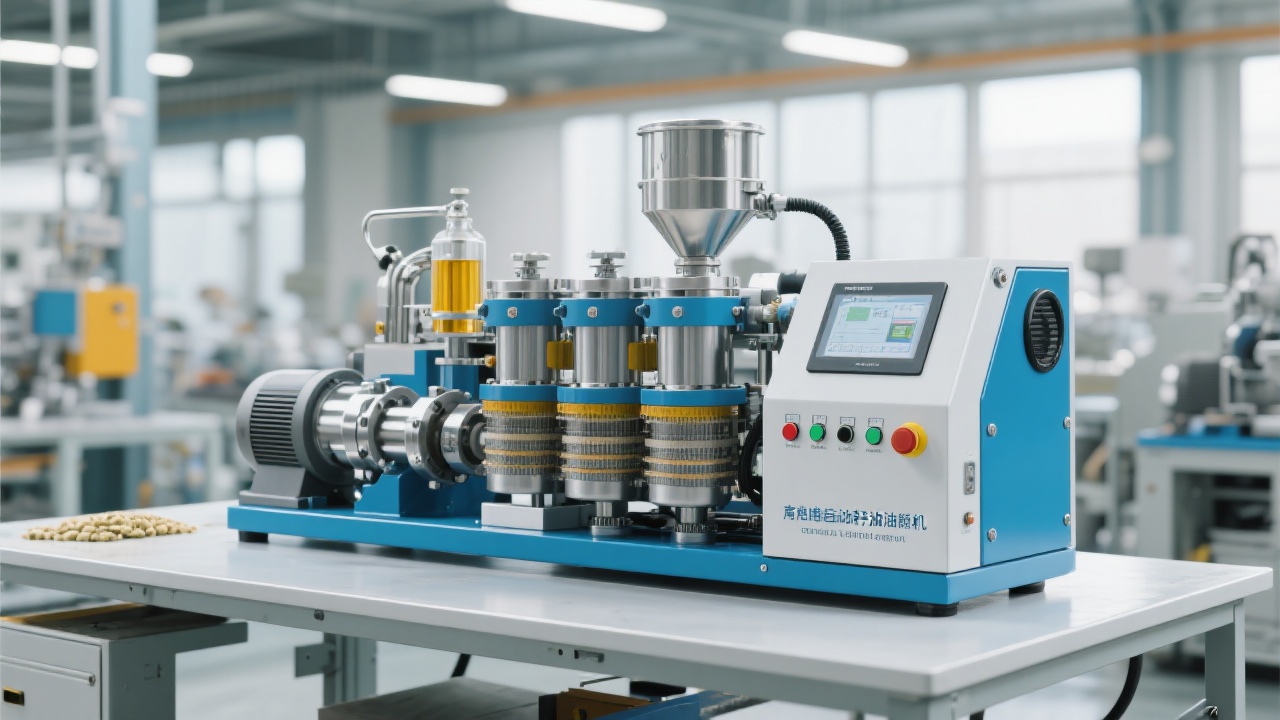
The interaction between your high-pressure pump and rotating screw determines extraction efficiency. These components work in harmony to apply mechanical pressure that ruptures oil cells without damaging the protein structure of the meal – a delicate balance that separates average operators from industry leaders.
Instead of maintaining constant pressure throughout the extraction chamber, implement a three-stage pressure profile:
This approach has been proven to increase yields by 5-7% while reducing energy consumption by approximately 10%.
Your screw configuration should match both seed type and moisture content:
Many operators make the mistake of using the same screw configuration for all seed types, resulting in suboptimal performance. Consider investing in interchangeable screw assemblies if you process multiple seed varieties.
The journey doesn't end when oil leaves the extraction chamber. Proper collection and filtration are critical for producing high-quality edible oil that meets market standards and regulatory requirements.
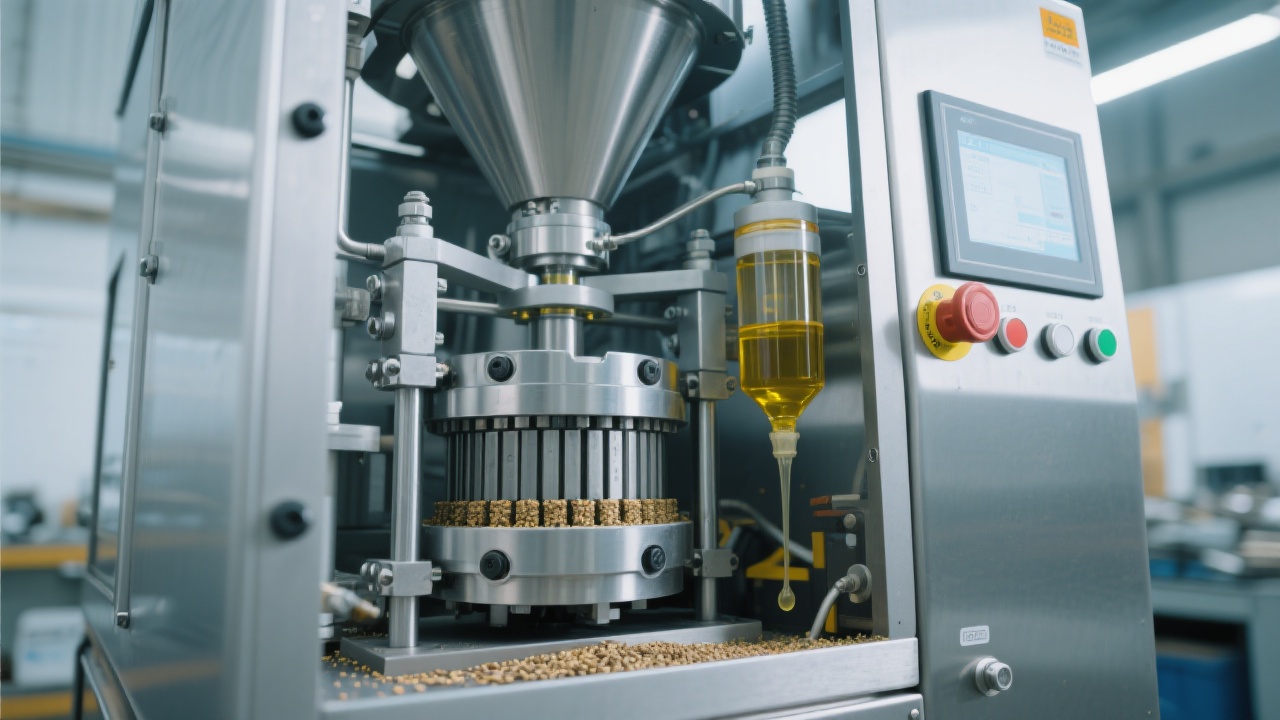
Implement a sequential filtration process:
This two-stage approach removes 99.7% of suspended solids, significantly extending shelf life and improving oil clarity. For premium oil products, consider adding a third stage with activated carbon filtration to remove color compounds and异味物质 (off-flavors).
Are you struggling with low yield from a specific seed type? Have you noticed quality variations between batches? Share your experiences and challenges in the comments below – our oil extraction specialists regularly respond to help solve your most pressing production issues.
Unlock the full potential of your seed oil extractor with our expert-configured systems. Achieve consistent yields, superior oil quality, and maximum efficiency – starting today.
Discover Your Custom Extraction SolutionRemember: The difference between good and exceptional oil extraction lies in the details. By implementing these precision techniques, you'll not only increase your yield and quality but also gain a significant competitive advantage in the marketplace. Your seeds have maximum potential – it's time to unlock it.