In the competitive landscape of edible oil production, efficiency isn't just an advantage—it's a necessity. As global demand for high-quality vegetable oils continues to rise at an estimated 4.2% annual rate, manufacturers face the constant challenge of maximizing output while maintaining product integrity. The solution lies in understanding and implementing advanced seed oil extraction technology that transforms traditional processing limitations into opportunities for growth.
For decades, oil producers relied on conventional extraction methods that often resulted in suboptimal yields—typically ranging between 65-75% for most oilseeds. These processes not only left significant oil residue in the meal but also required excessive energy consumption and longer processing times. The introduction of modern seed oil extraction machines has revolutionized this landscape, with leading models now consistently achieving extraction efficiencies of 92-96% across various oilseeds including soybeans, sunflower, rapeseed, and peanuts.
Industry Insight: "Modern extraction technology has transformed our production capacity. We've increased daily output by 28% while reducing energy consumption by 15% compared to our previous equipment," notes Maria Gonzalez, Production Director at GlobalOils Processing Ltd.
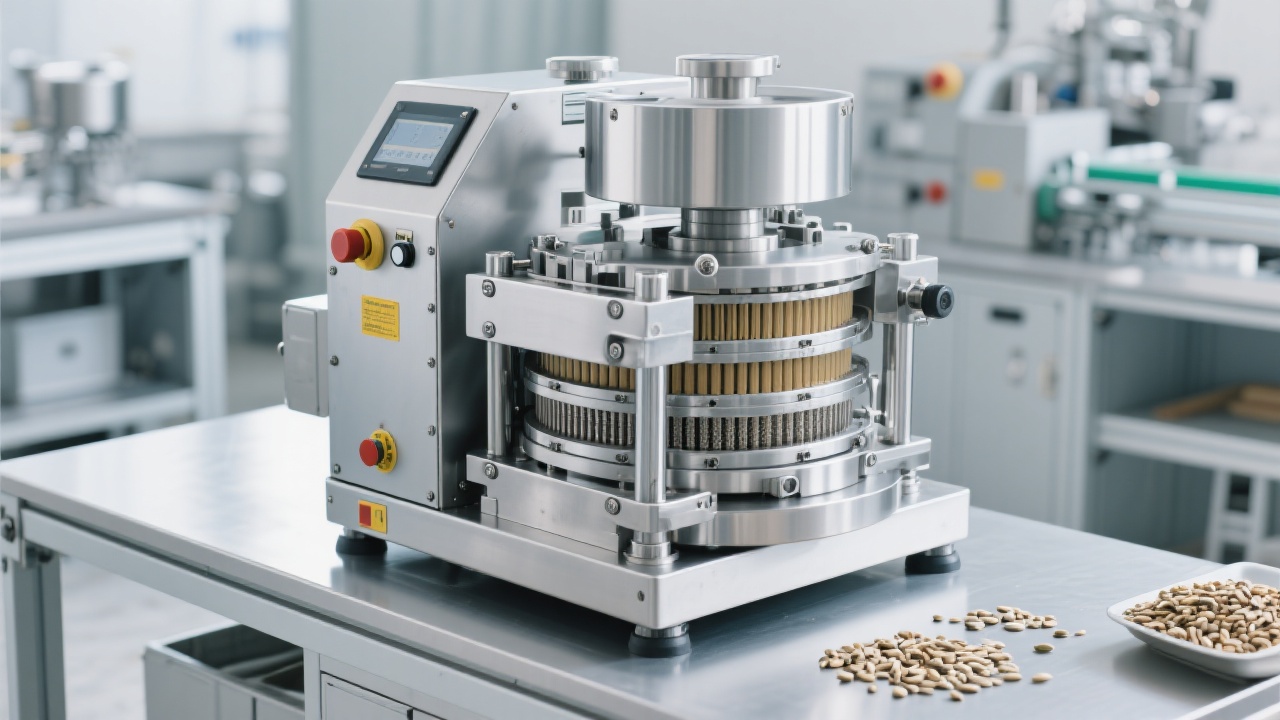
The extraction process begins with a controlled feeding mechanism that ensures uniform distribution of prepared seed material into the extraction chamber. This component regulates material flow at an optimal rate—typically 500-2000 kg/h depending on machine capacity—preventing overloading and ensuring consistent processing conditions.
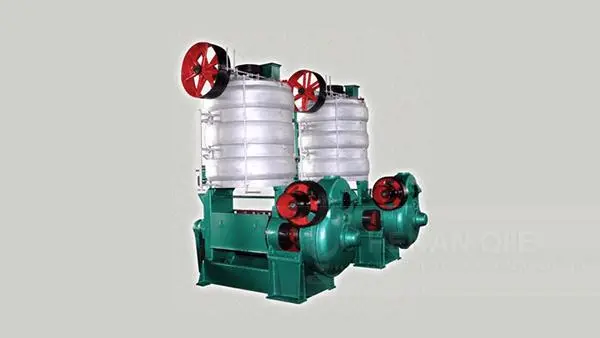
At the heart of the machine lies the rotating screw assembly housed within a cylindrical pressing chamber. As the screw rotates, it creates progressive pressure—reaching up to 500 bar in advanced models—that effectively ruptures oilseed cell walls. The precisely engineered screw profile ensures gradual compression, maximizing oil release while minimizing heat generation that could compromise oil quality.
Strategically placed heating elements maintain optimal processing temperatures between 50-70°C, depending on the oilseed type. This controlled heat reduces oil viscosity, facilitating easier separation while preserving the oil's nutritional properties and natural flavor profiles.
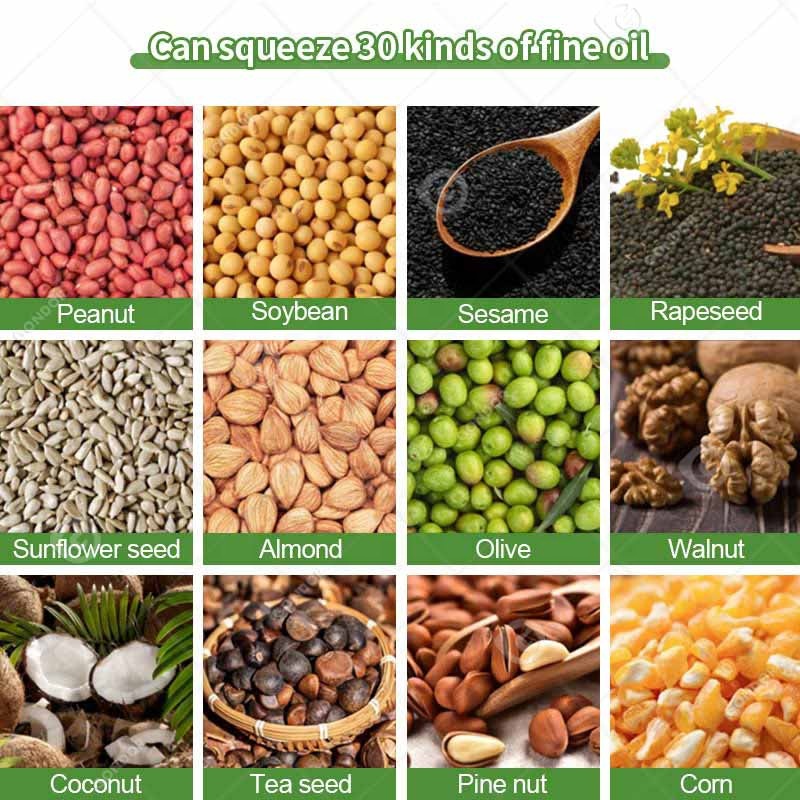
Extracted oil flows through specialized channels into a collection reservoir, where initial separation from fine particulate matter occurs. This system incorporates gravity separation principles to ensure maximum oil recovery before proceeding to filtration.
Multi-stage filtration—typically utilizing pressure leaf filters or membrane technology—removes remaining impurities, resulting in clear, high-quality crude oil ready for further refining. Modern systems achieve filtration efficiencies exceeding 99.5%, significantly reducing downstream processing requirements.
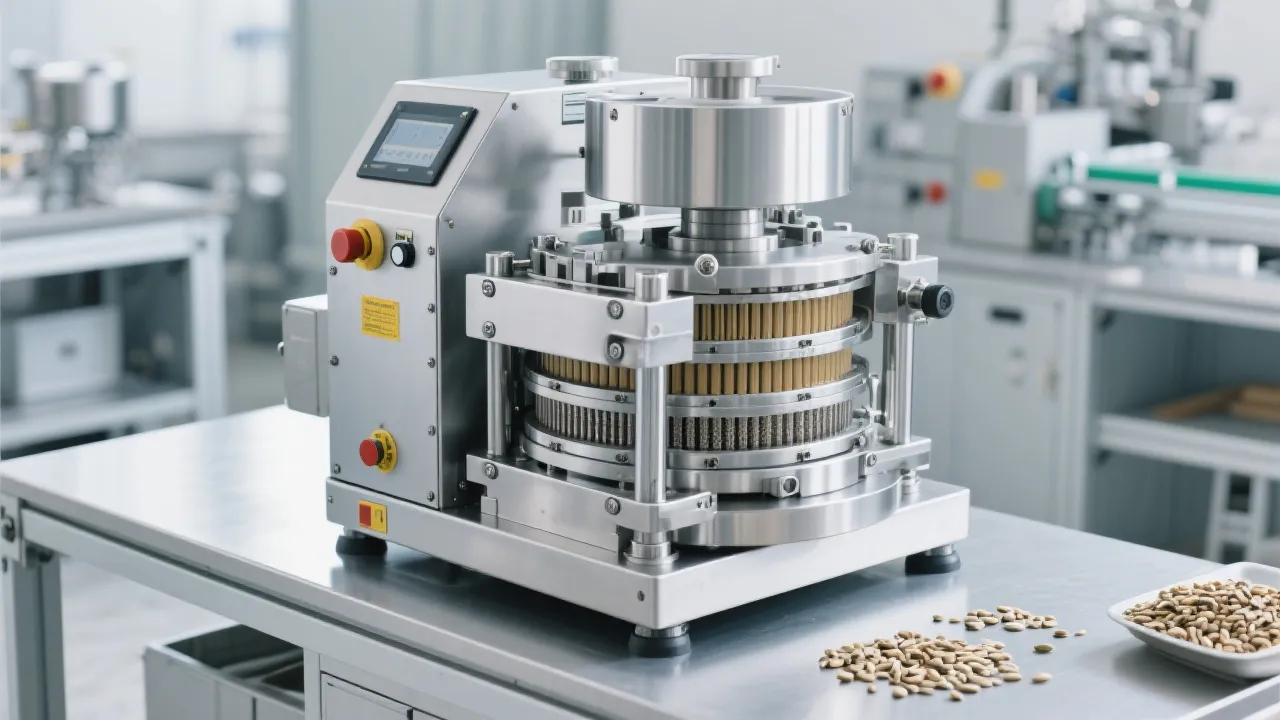
Advanced microprocessor controls allow operators to monitor and adjust key parameters including temperature, pressure, and feed rate in real-time. Many systems feature touchscreen interfaces and remote monitoring capabilities, enabling precise process control and quick response to changing conditions.
The journey from raw seed to refined oil involves several critical stages, each optimized by modern extraction technology:
1. Seed Preparation: Cleaning, dehulling, and conditioning of seeds to optimal moisture levels (typically 6-12%, depending on seed type) ensures maximum oil release during pressing.
2. Pressing Stage: The prepared seeds enter the extraction chamber where mechanical pressure ruptures cell walls, releasing oil. This stage typically takes 2-5 minutes per batch, depending on seed type and machine configuration.
3. Oil Separation: Gravity and centrifugal forces separate the oil from the solid meal, with the oil proceeding to filtration while the高蛋白 meal is collected for animal feed production—a valuable secondary product that enhances overall process profitability.
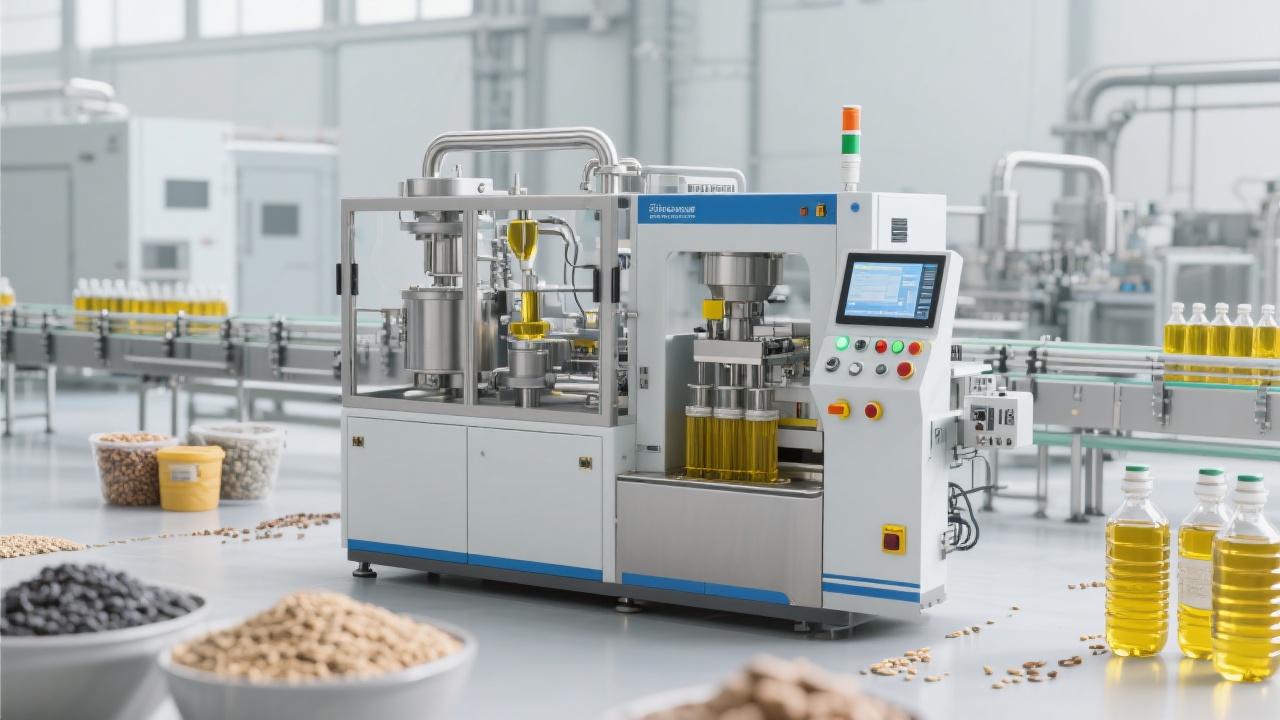
Consider the case of a mid-sized sunflower oil producer in Romania that upgraded from traditional extraction methods to a modern seed oil extraction line. Within six months of implementation, they documented:
These results underscore how the right vegetable oil extraction equipment doesn't just improve efficiency—it transforms business outcomes by creating a more sustainable, profitable operation.
Discover how our advanced seed oil extraction technology can increase your factory's output by 20-30% while reducing operational costs. Join hundreds of satisfied producers who have already made the switch to modern extraction technology.
Request Your Custom Production AnalysisModern seed oil extraction technology isn't just about efficiency—it's also driving significant environmental benefits. The latest generation of machines incorporates energy recovery systems that capture and reuse heat generated during processing, reducing overall carbon footprint by up to 20%. Additionally, the high extraction efficiency means fewer seeds are required to produce the same amount of oil, conserving valuable agricultural resources.
Looking ahead, the integration of artificial intelligence and machine learning is poised to take extraction technology to new heights. Predictive maintenance systems can now identify potential equipment issues before they cause downtime, while adaptive process control automatically adjusts parameters based on real-time seed quality analysis. These advancements promise even greater efficiency gains and quality control for forward-thinking producers.
As the global population continues to grow and demand for plant-based oils increases, the role of efficient, sustainable extraction technology becomes increasingly critical. By investing in modern oilseed processing equipment, producers position themselves to meet market demands while optimizing resource utilization and maximizing profitability.
When selecting a seed oil extraction system, producers should evaluate:
The transition to modern extraction technology represents more than just an equipment upgrade—it's a strategic investment in your company's future competitiveness. With the right system in place, you'll not only increase production capacity and product quality but also position your operation to adapt to evolving market demands and regulatory requirements.