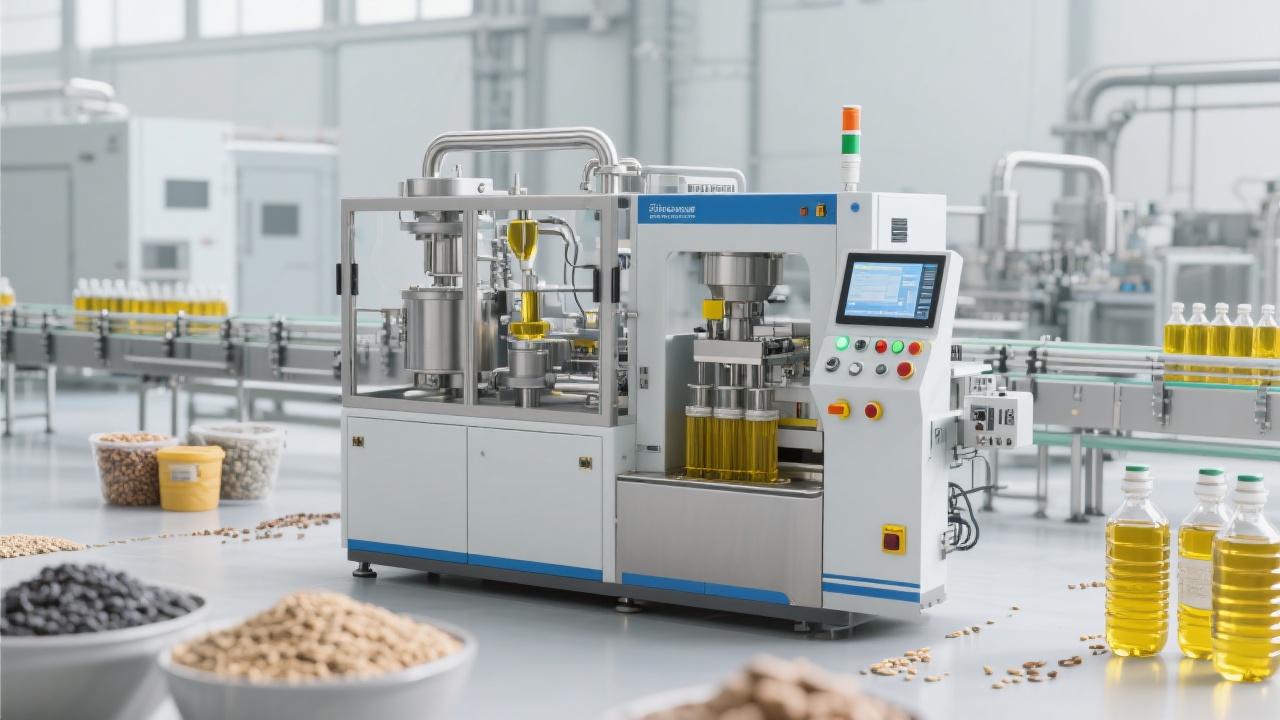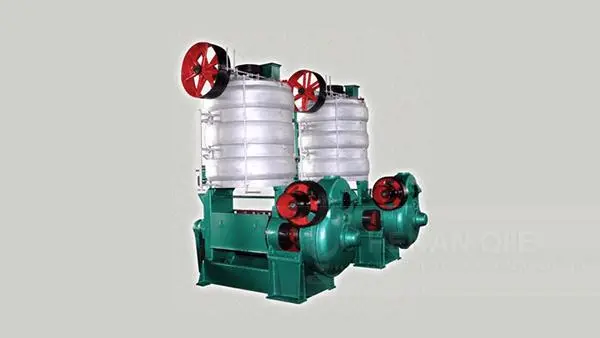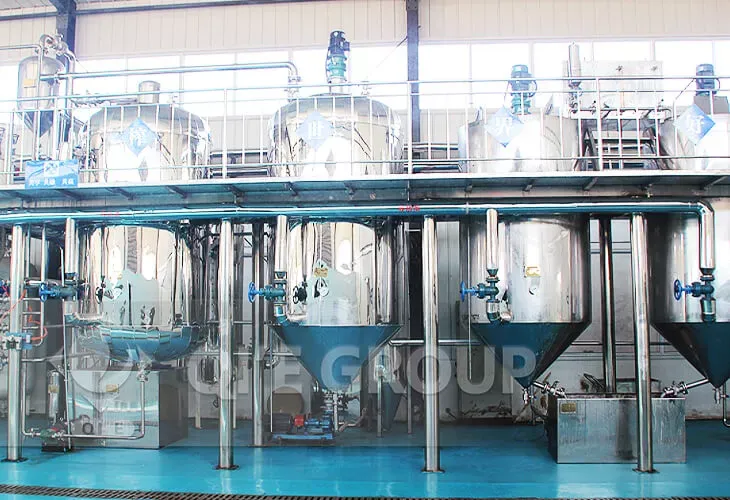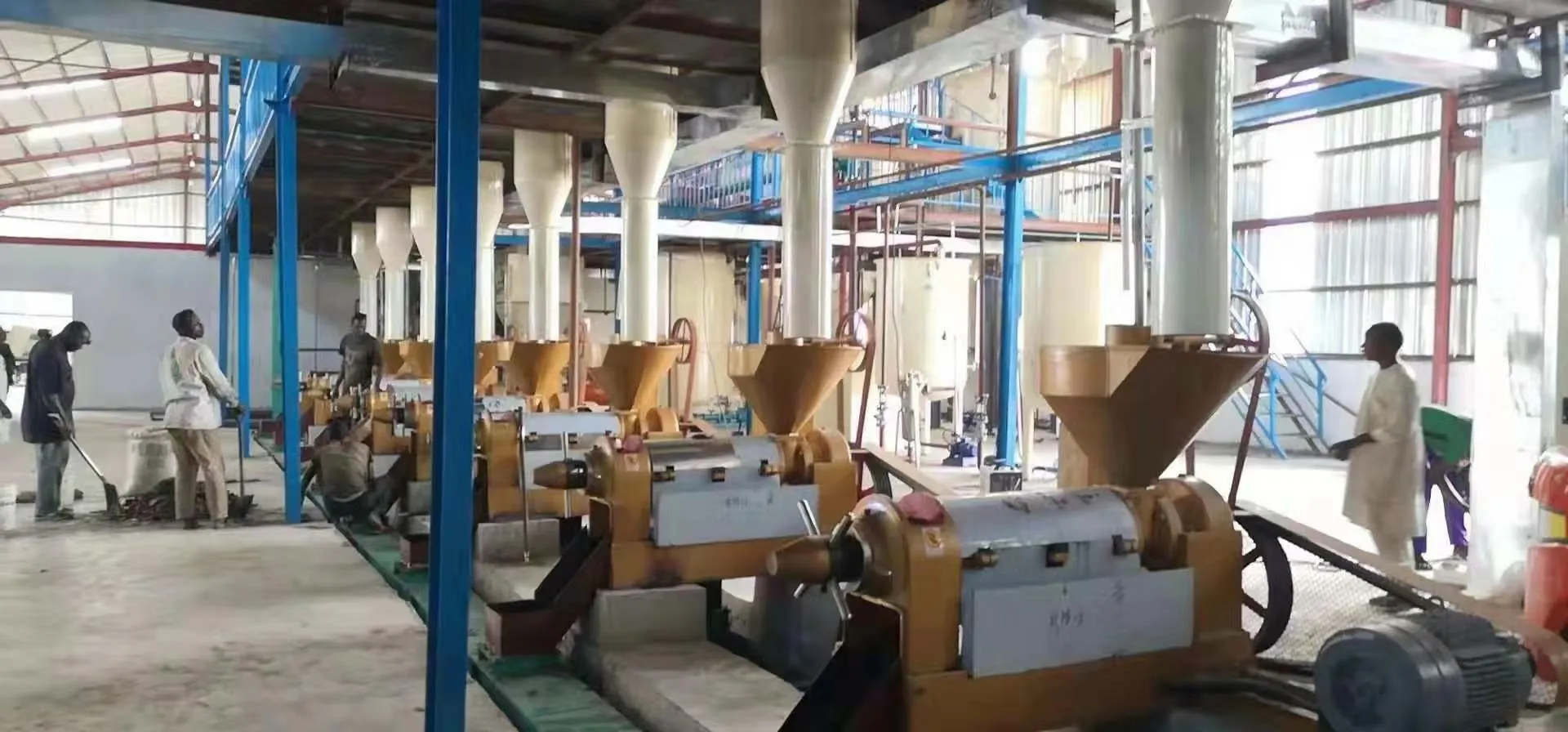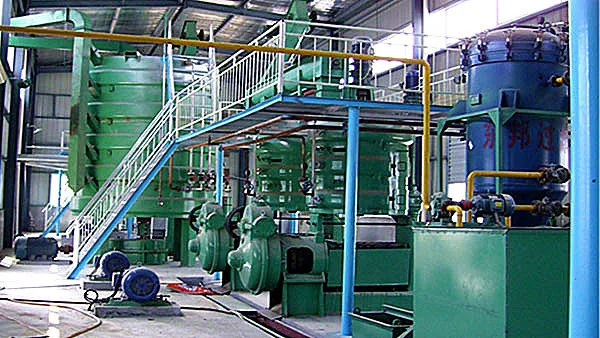
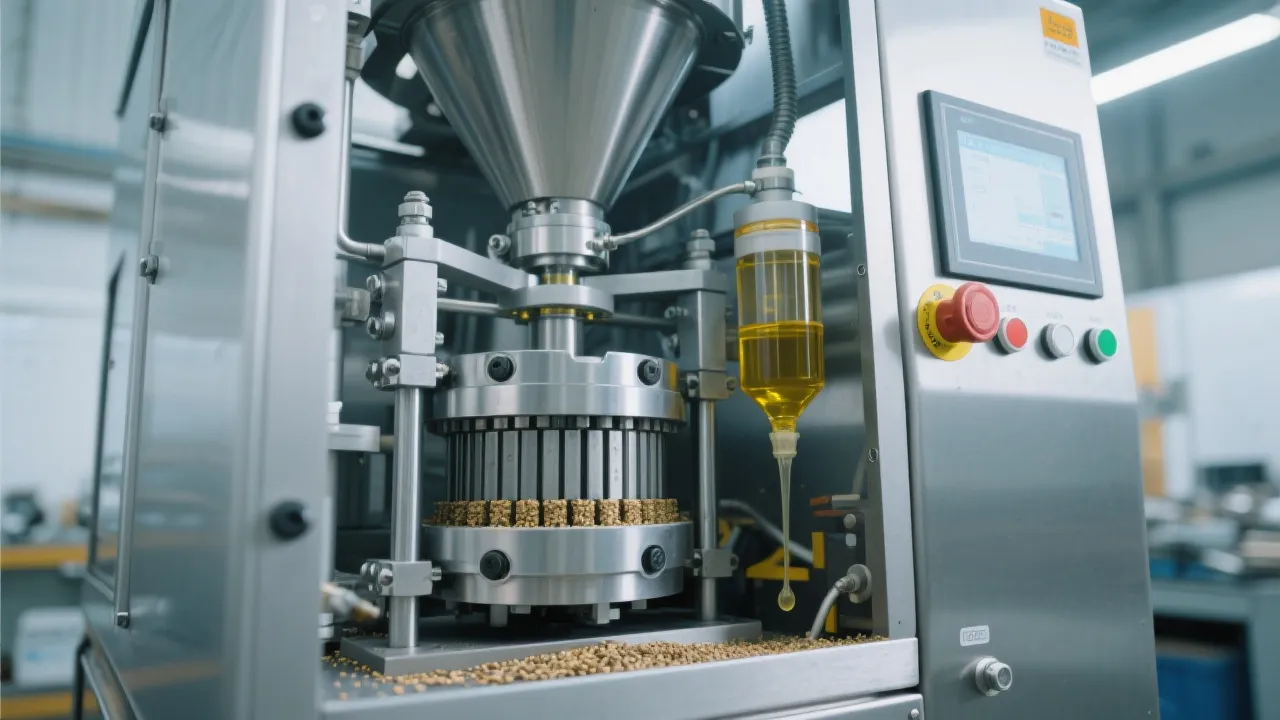
Seed oil extractors have revolutionized essential oil extraction by employing advanced mechanical techniques to efficiently separate oil from plant seeds. These machines are engineered to meet the rising demands of the botanical oil industry, delivering not only high yield but also superior oil quality. This article explores the mechanical principles behind seed oil extractors, their operational procedures, maintenance essentials, and real-world application cases that demonstrate their innovative contribution to the essential oil refining process.
Mechanical extraction leverages high pressure and friction to release oils trapped within oil-bearing seeds. Unlike traditional chemical solvent methods, seed oil extractors use physical force to crush and press seeds, ensuring that the extracted oil retains its natural aroma and beneficial properties. The process minimizes the risk of chemical residues, making it preferable for high-grade essential oil production.
Typically, the extraction efficiency of modern seed oil extractors ranges from 85% to 92%, depending on seed type and machine settings. This level of performance ensures maximum utilization of raw materials, reducing waste while boosting production output.
Routine monitoring of pressure and temperature during pressing is vital. Optimal operation temperatures lie between 45°C and 55°C, preventing thermal degradation of the essential oils.
Maintaining seed oil extractors ensures consistent performance and longevity. Recommended practices include:
Common issues such as oil leakage, abnormal noises, or temperature spikes typically stem from worn components or insufficient maintenance and can be resolved swiftly with preventive care.
A mid-sized botanical oils manufacturer integrated seed oil extractors into their production line six months ago, replacing solvent-based systems. They reported a 20% increase in extraction yield and a 30% reduction in processing time. The mechanical process preserved the delicate fragrance profiles of essential oils, earning higher customer satisfaction in cosmetic and aromatherapy markets.
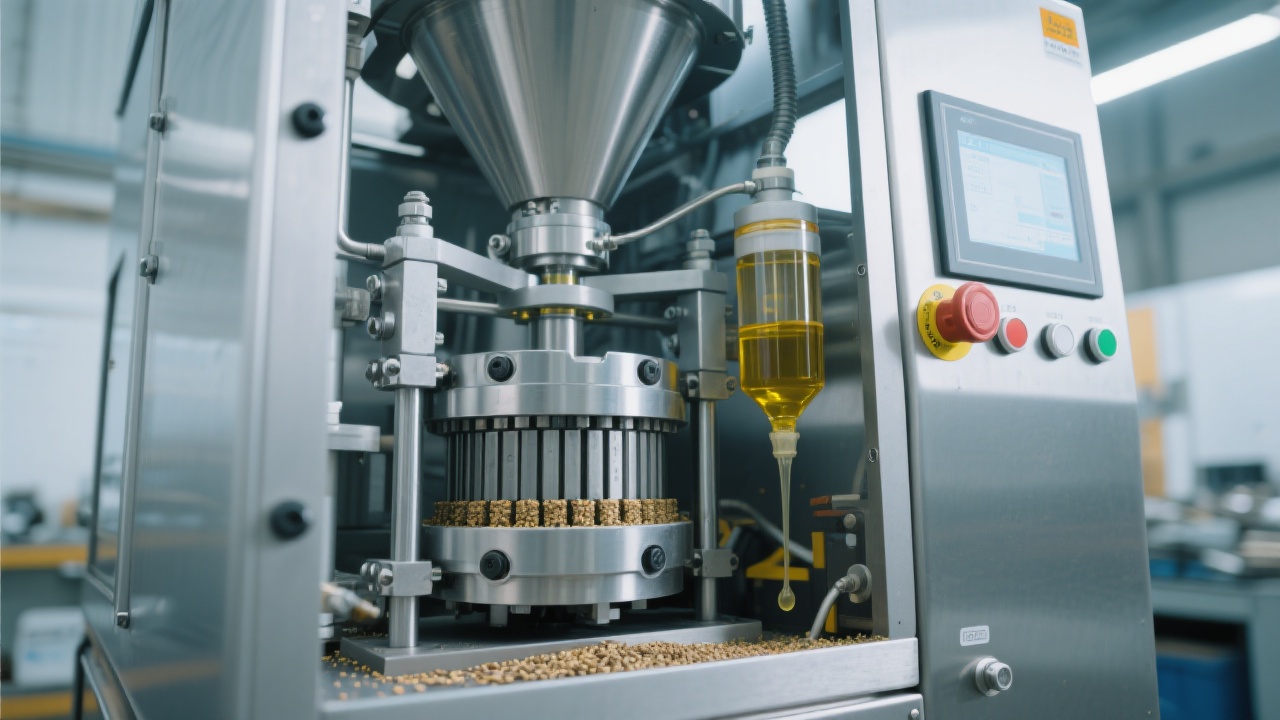
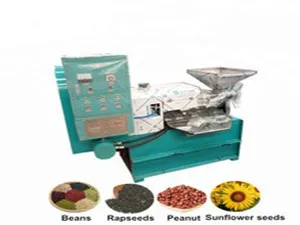
Seed oil extractors are versatile, suitable for a broad spectrum of seeds including sunflower, flaxseed, sesame, and hemp. This adaptability allows producers to diversify product lines effortlessly, capturing emerging market trends in natural and organic oils.
The rising global demand for pure, additive-free essential oils positions mechanical seed oil extraction technology as a cost-effective, scalable solution for both startups and established manufacturers. It ensures compliance with stringent food-grade and cosmetic industry standards without compromising throughput.
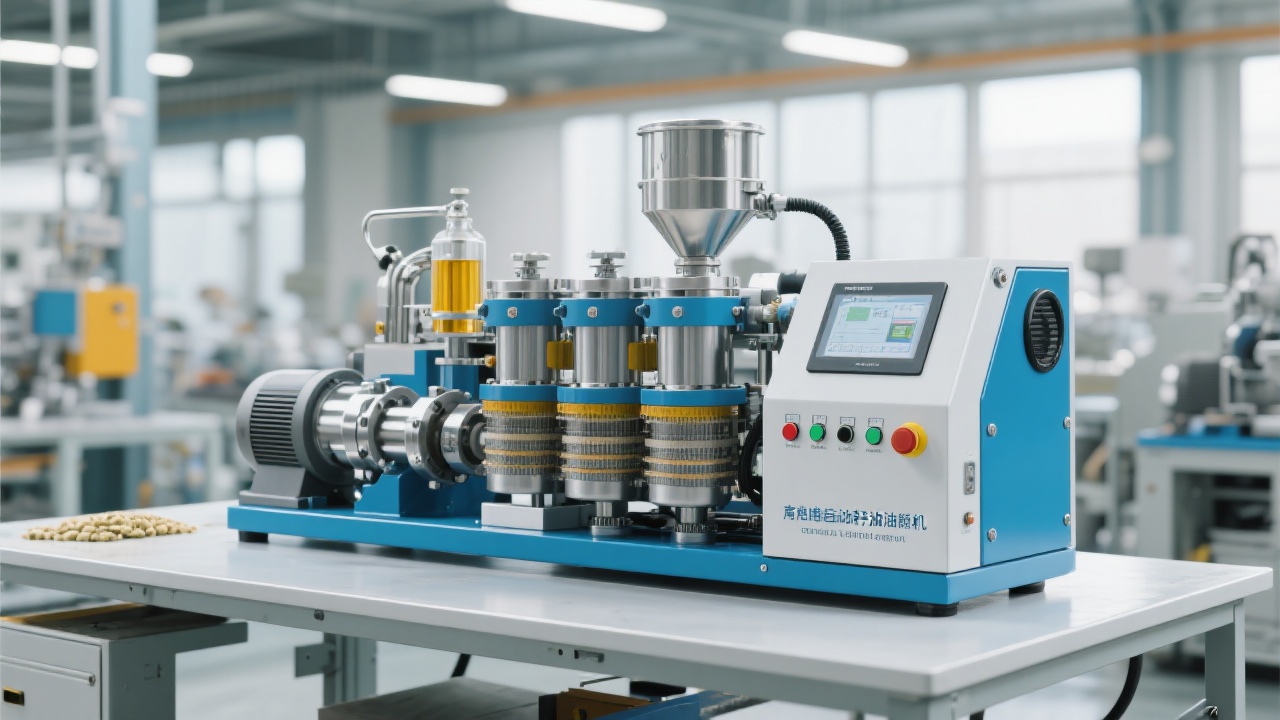
Advances in seed oil extractor design include automated feed control, precision temperature regulation, and enhanced screw geometry that optimizes pressing force distribution. These innovations reduce manual intervention and energy consumption by approximately 15%, translating into lower operating costs.
Integration with data monitoring systems facilitates real-time performance tracking, enabling preemptive maintenance and quality assurance aligned with Industry 4.0 standards.