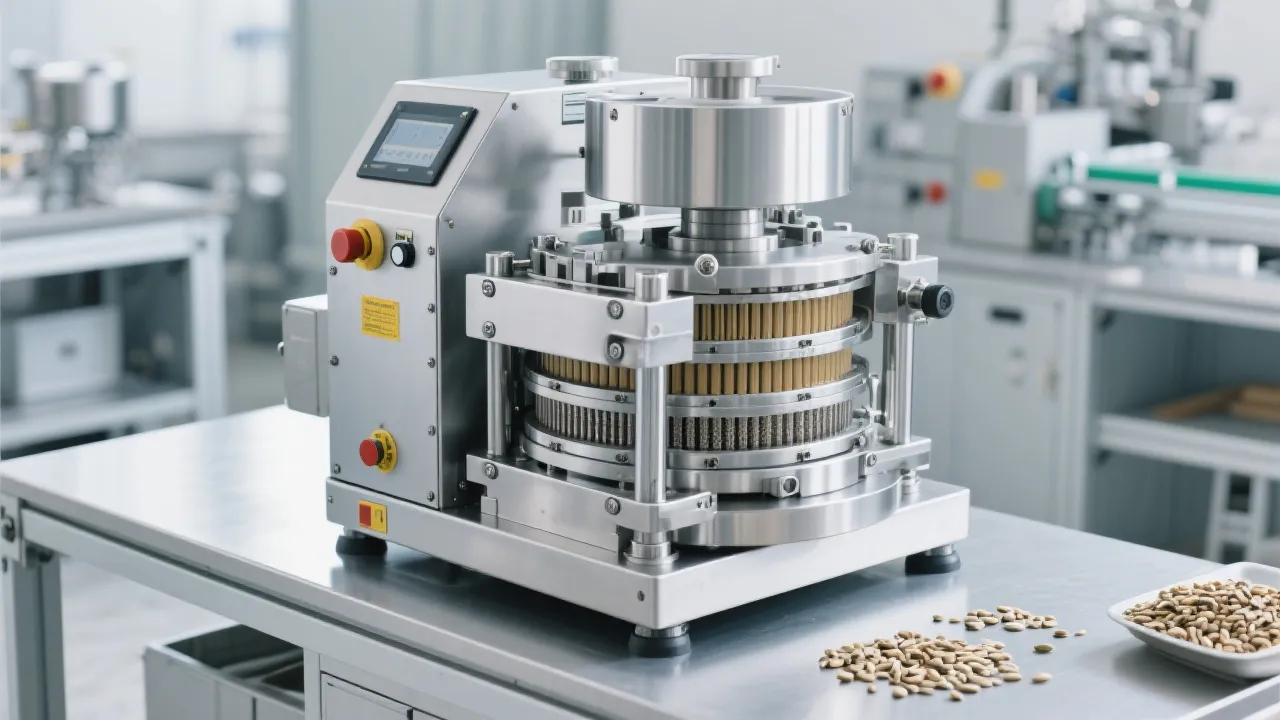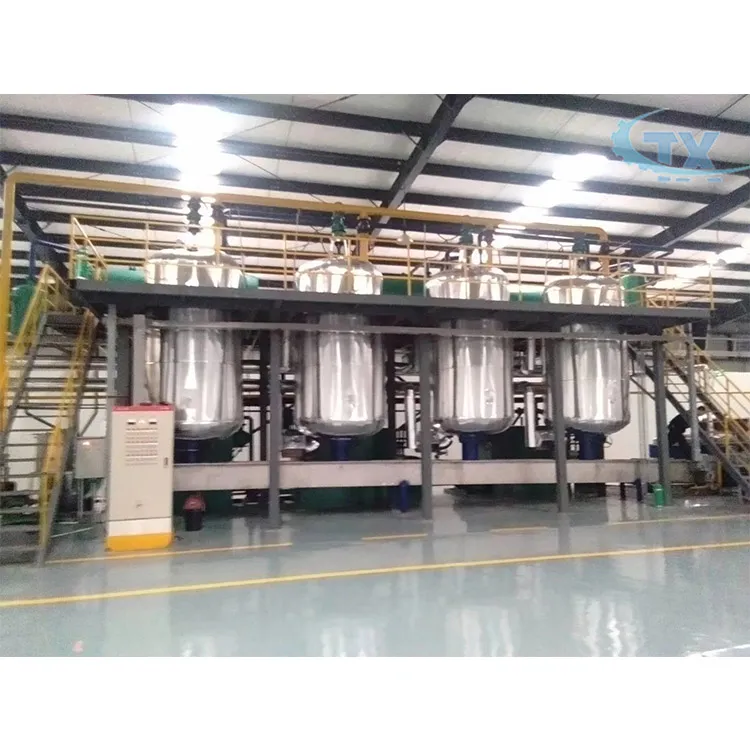

In an era where food safety and quality control are becoming increasingly important concerns for consumers worldwide, the edible oil production industry presents significant opportunities for entrepreneurs. Starting a small-scale oil mill business offers an accessible entry point into the agricultural processing sector, combining relatively low startup costs with consistent market demand.
This business model particularly suits three types of entrepreneurs: rural farmers looking to add value to their crops, small business owners seeking stable income streams, and individuals interested in entering the food processing industry without massive capital investment. The beauty of small-scale oil milling lies in its scalability – you can start with basic equipment and gradually expand as your customer base grows.
The global edible oils market is projected to reach $243.5 billion by 2025, growing at a CAGR of 4.3% from 2020 to 2025, according to industry reports. This steady growth is driven by increasing population, rising disposable incomes, and growing awareness of healthy cooking practices. For small-scale producers, this represents a stable market with consistent demand.
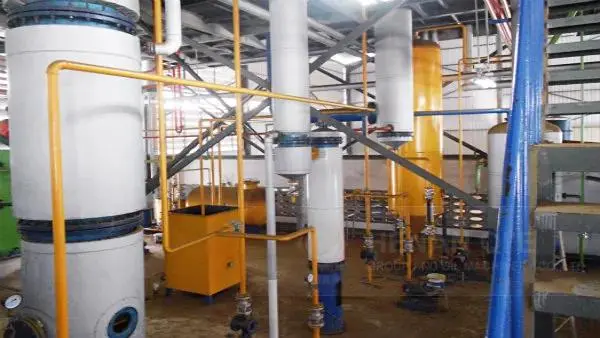
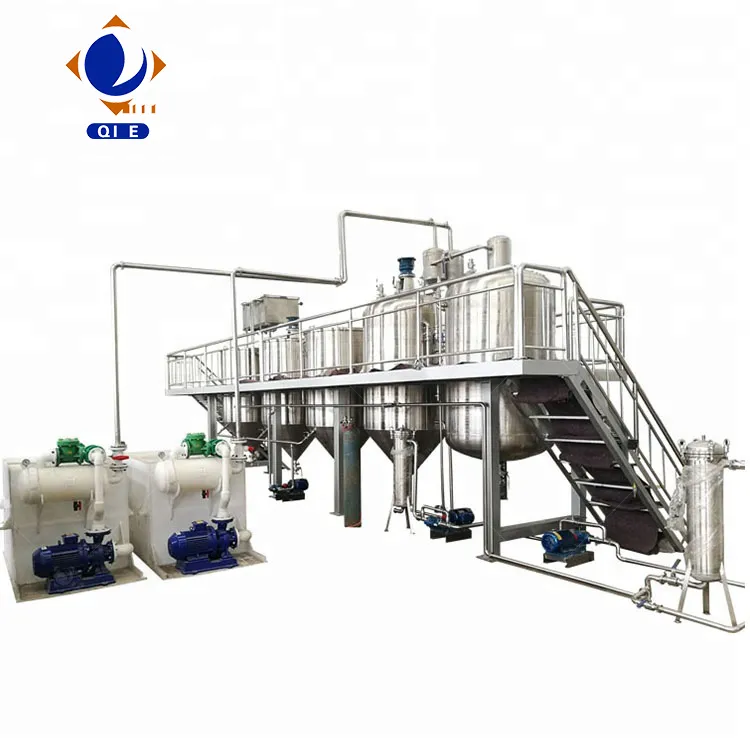
Setting up a basic oil mill requires several key components, each playing a crucial role in the production process. Let's examine each piece of equipment and its function:
The first step in oil production is ensuring your raw materials are free from impurities. A seed cleaner removes dirt, stones, and other foreign materials from oilseeds before processing. This not only improves oil quality but also protects downstream equipment from damage.
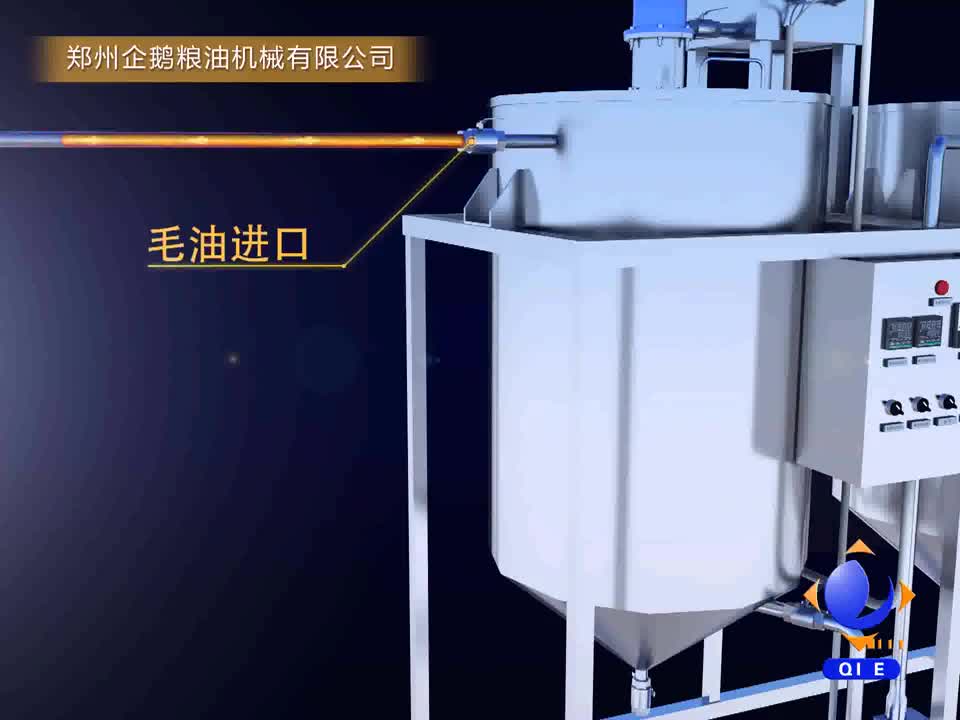
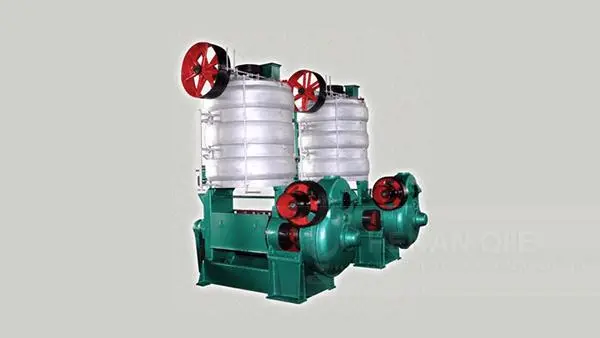
The heart of any oil mill, the oil press machine uses mechanical pressure to extract oil from seeds. Modern small-scale presses are compact yet efficient, capable of processing various oilseeds including soybeans, sunflower seeds, peanuts, and rapeseed. 企鹅集团 (Penguin Group) offers a range of press machines specifically designed for small to medium operations, balancing efficiency with affordability.
After extraction, some oil types benefit from controlled heating to improve flavor and shelf life. The cooking kettle allows for precise temperature control during this process, ensuring optimal oil quality.
Filtering removes remaining impurities and sediment from the extracted oil, resulting in a clear, high-quality product. This step is crucial for meeting consumer expectations and extending product shelf life.
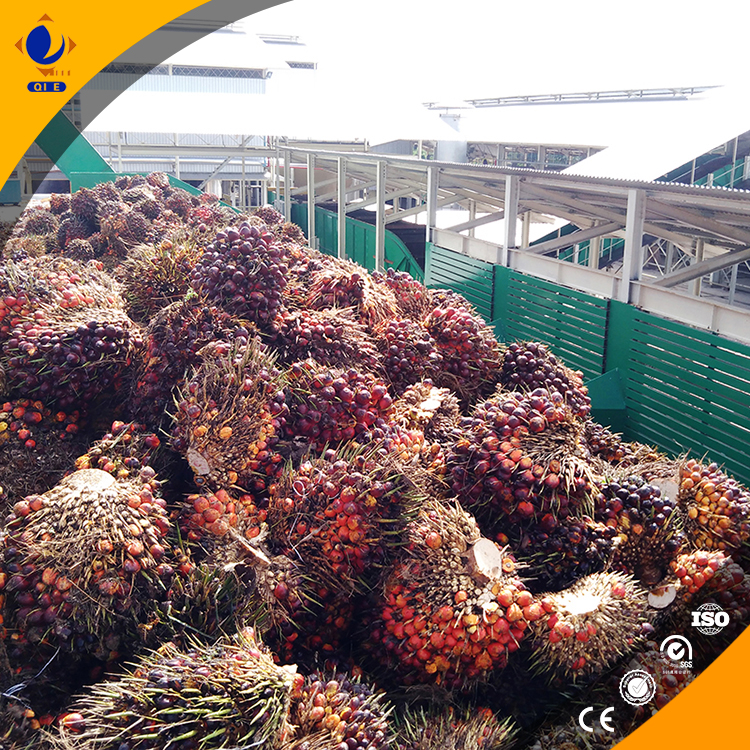
Proper storage is essential for maintaining oil quality. Stainless steel tanks prevent contamination and oxidation, ensuring your product remains fresh until packaging.
Finally, a small packaging unit allows you to present your product professionally. From bottles to pouches, the right packaging protects your oil and serves as an important marketing tool.
Consider the example of Mr. Chen, a farmer in Shandong province who started with a small oil mill processing his own peanut harvest. Within six months, he expanded to process neighboring farmers' crops and now distributes his cold-pressed peanut oil to local markets and restaurants. His initial investment of approximately $15,000 was recouped within 14 months, and he now enjoys a stable monthly profit margin of 25-30%.
Small oil mills offer distinct advantages over both large-scale industrial producers and traditional home pressing methods:

What makes small oil milling particularly attractive is that it's suitable for新手 (beginners) with minimal prior experience in food processing. Many equipment suppliers offer comprehensive training and technical support, ensuring you can operate your machinery safely and efficiently from day one.
The key to success lies in thorough market research, understanding your local demand, and starting with the right equipment configuration. A well-planned 低成本启动 (low-cost startup) approach might involve focusing on one or two high-demand oil types initially, then expanding your product line as your business grows.
Discover how Penguin Group's small-scale oil mill solutions can help you establish a profitable business with minimal initial investment.
Explore Turnkey Oil Mill SolutionsHave you considered entering the edible oil production industry? What challenges do you anticipate, or what questions do you have about the process? Share your thoughts in the comments section below – we'd love to hear from you!




.jpg?x-oss-process=image/resize,h_1000,m_lfit/format,webp)