Small Oil Press Plant Equipment Guide: Components, Installation Tips & Setup Steps
30 12,2025
Tutorial Guide
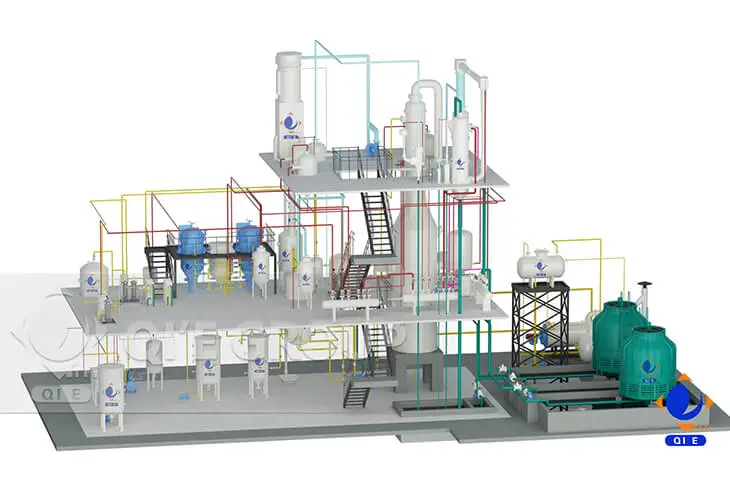
Looking to start a low-cost oil pressing business? This comprehensive guide breaks down the six core components of a small oil press plant—seed cleaner, oil press machine, cooking pot, filter system, storage tank, and packaging machine. Learn their functions, technical principles, and how to choose the right equipment for your needs. Plus, discover key installation considerations, real-world success stories, and expert tips to boost efficiency and profitability—ideal for farmers, rural entrepreneurs, or anyone launching a home-based edible oil production line. Zero experience required—just clear steps and proven strategies.
Small Oil Press Plant Setup: A Practical Guide for New Entrepreneurs
Starting a small oil press plant doesn’t require a factory-sized budget—it just needs the right equipment, clear planning, and smart execution. Whether you're a rural farmer looking to add value to your crops or an entrepreneur exploring agri-processing opportunities, this guide walks you through everything from core components to real-world setup tips.
Why Go Small? The ROI Advantage
According to industry data, a well-organized small-scale oil press facility (under 50kg/h capacity) can break even in as little as 6–9 months if operated efficiently. With raw materials like sesame, sunflower, or soybeans costing $0.8–$1.5/kg locally, and edible oil selling at $2.5–$4/kg wholesale, margins are strong—even for beginners.
“Start with one machine—like a manual screw press—and scale up after mastering output quality.” — Dr. Rajiv Mehta, Agro-Industrial Consultant, India
Key Equipment Breakdown: What You Really Need
- Seed Cleaner: Removes chaff, stones, and dust. Choose rotary drum type for 95%+ purity—critical for consistent oil yield.
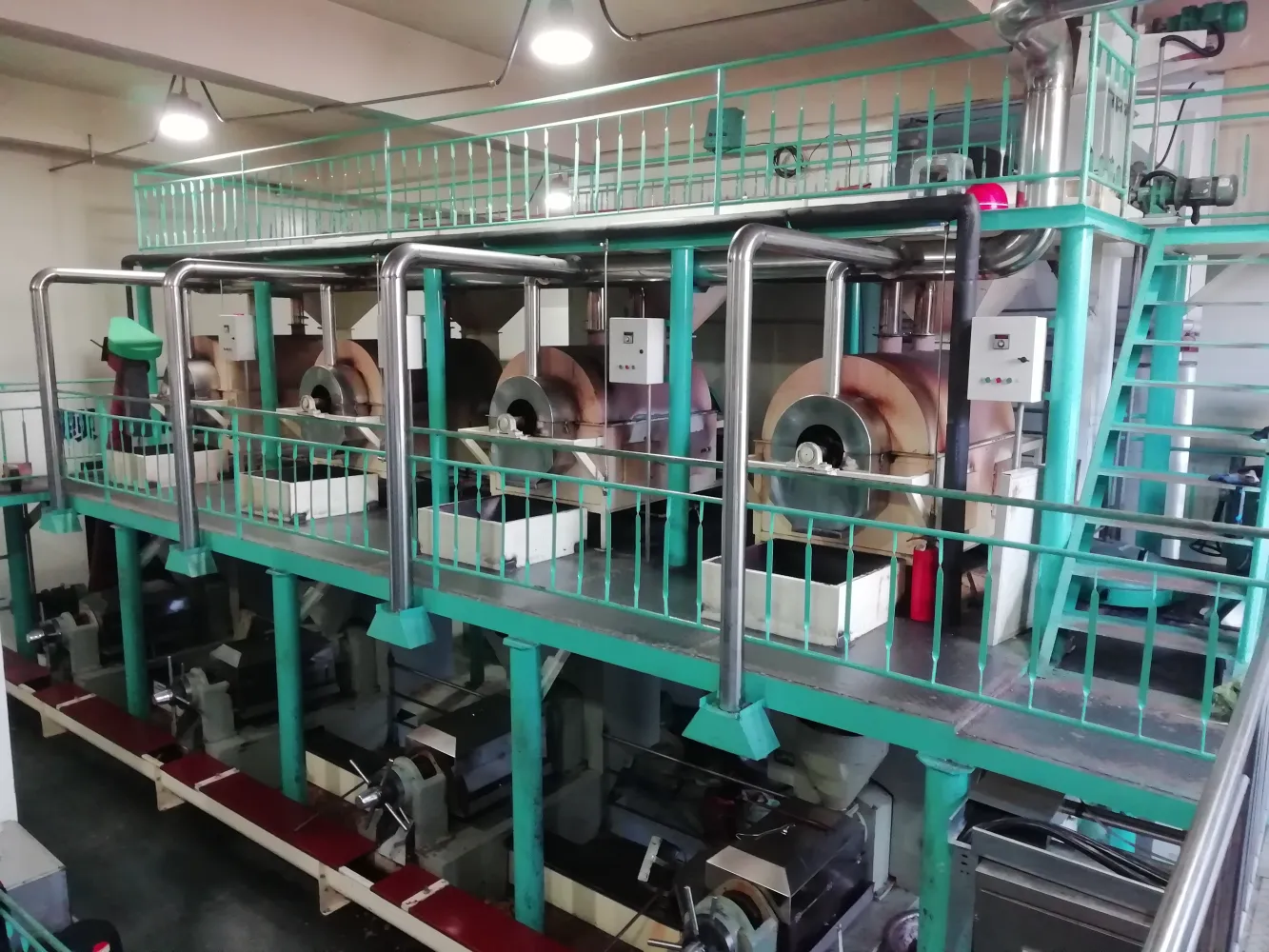
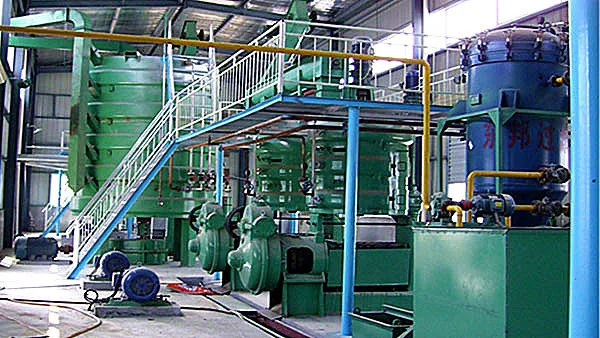
- Oil Press Machine: Spiral vs. hydraulic—spiral is cheaper ($1,200–$2,500), easier to maintain; hydraulic offers higher pressure but needs skilled operators.
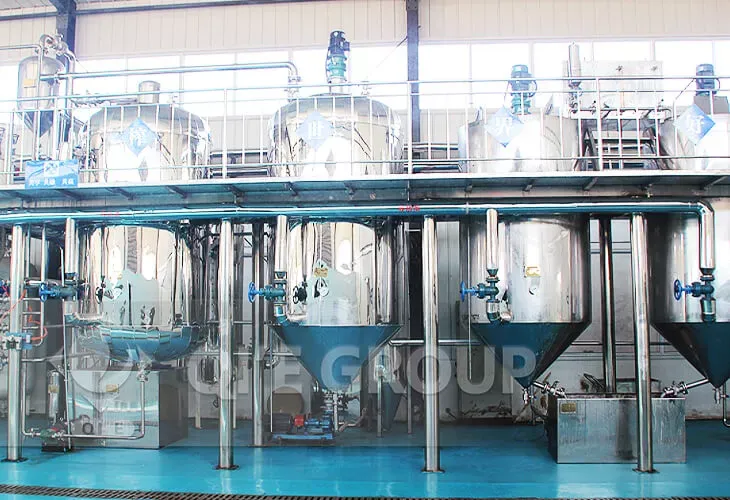
- Filtration System: Use vacuum filter + cloth bag combo for clarity—reduces sediment by 70% compared to basic straining.
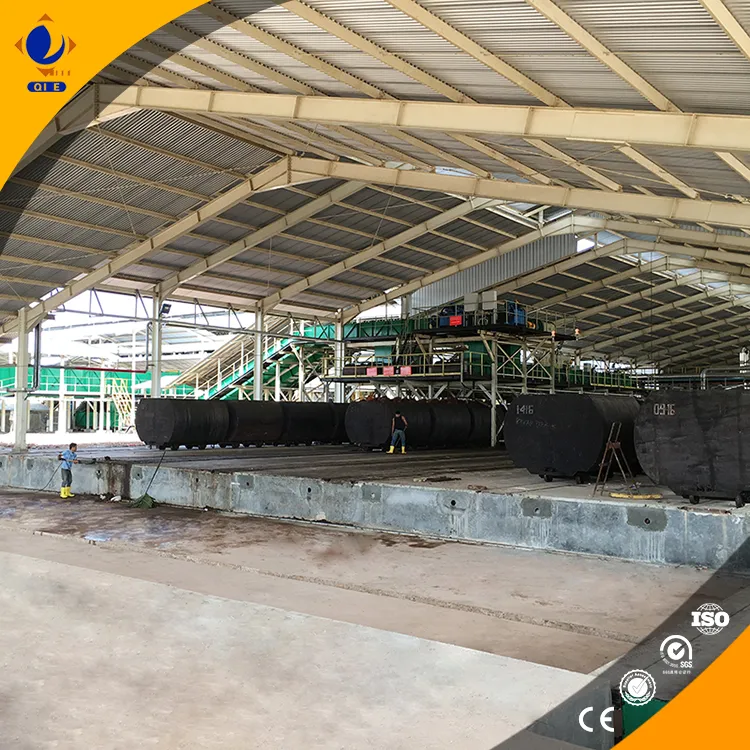
- Storage Tanks: Food-grade stainless steel (304 grade) prevents oxidation. 200L tanks handle daily production for 2–3 days.
- Packaging Unit: Semi-automatic filling machine saves time—cuts labor costs by ~30% vs. manual bottling.
Installation Tips That Prevent Costly Mistakes
Most startups fail not because of poor products—but due to bad layout. Here’s what works:
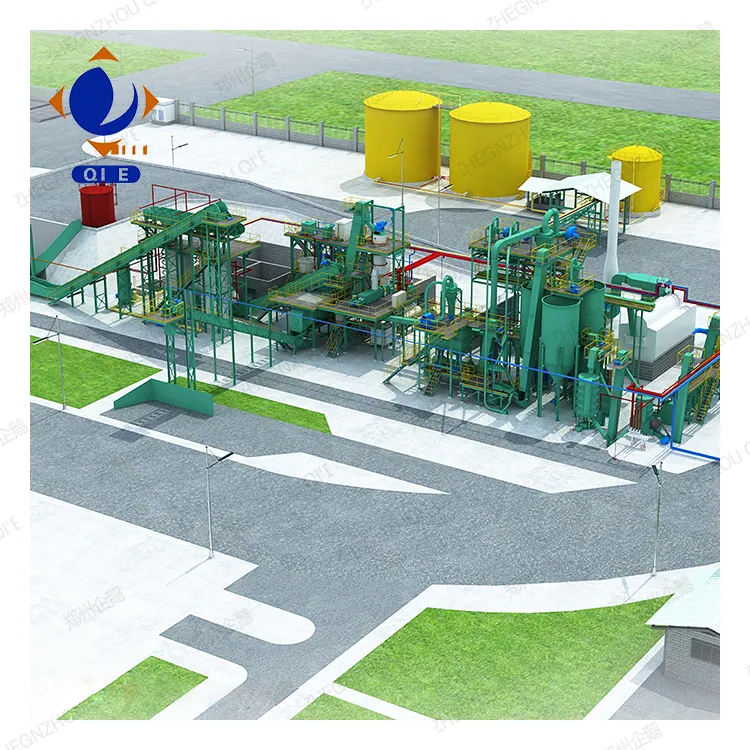
- Space Planning: Allocate 30–40 m² minimum. Keep clean zone separate from processing area.
- Power Requirements: 3-phase power (380V) recommended for continuous operation—single-phase limits throughput.
- Safety First: Install grounding wires, fire extinguishers, and non-slip flooring. Compliance reduces insurance premiums by up to 25%.
- Environmental Rules: In EU/US markets, waste oil must be treated before disposal—consider a grease trap system early on.
Real Case: From Farm to Profit in 4 Months
In Karnataka, India, a group of women farmers built a 20kg/h sesame oil press using only local parts and community labor. By focusing on quality packaging and direct B2B sales to local restaurants, they achieved monthly revenue of $1,200 within 90 days—proving that zero experience ≠ no profit.
Common Pitfalls & How to Avoid Them
Many new operators struggle with inconsistent yields or frequent breakdowns. Key fixes:
- Low Yield? Check seed moisture level—it should be below 12%. High humidity drops extraction efficiency by up to 30%.
- Machine Jamming? Clean filters weekly. Clogged filters cause 60% of mechanical failures.
- Maintenance Schedule: Monthly oil change, quarterly belt tension check—this extends machine life by 2–3 years.
Ready to Launch Your Own Oil Press Business?
Whether you’re targeting local markets or exporting premium oils, our range of compact, efficient oil press systems is designed for easy setup—even if you’ve never touched a machine before.
Start Your Zero-Experience Oil Press Journey Today