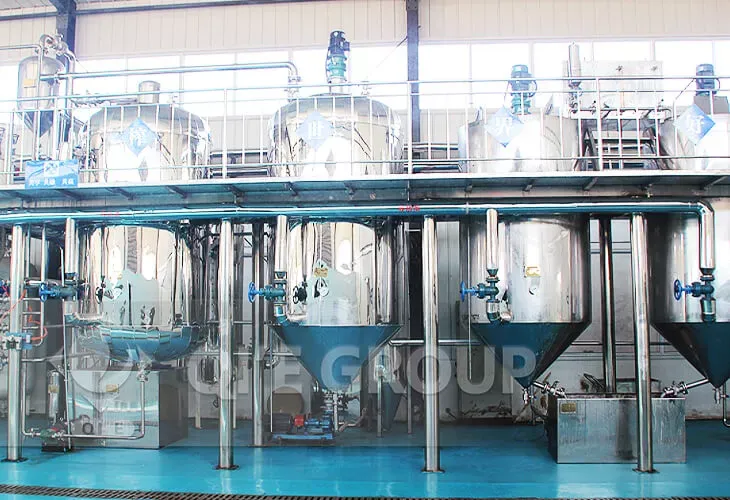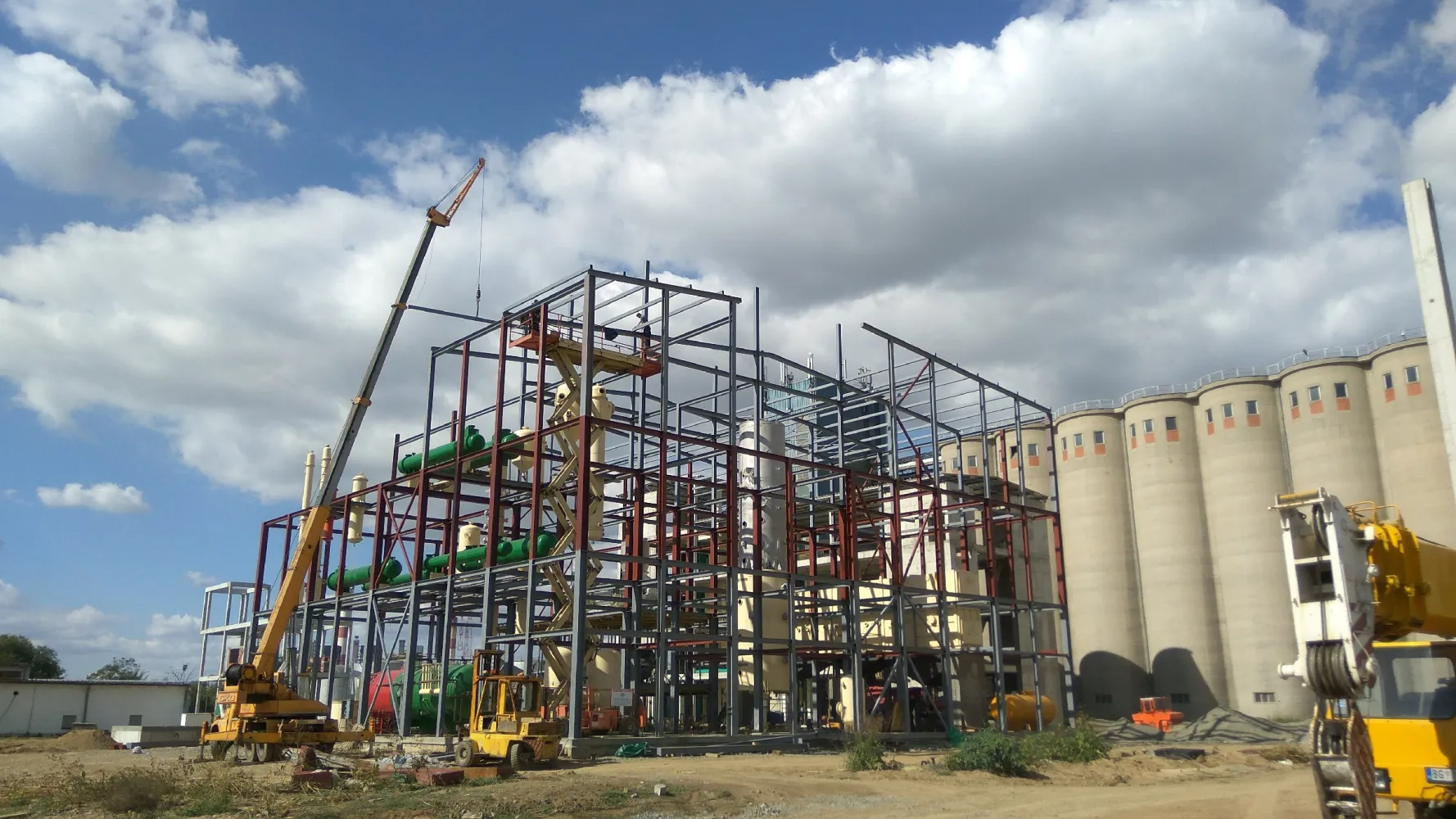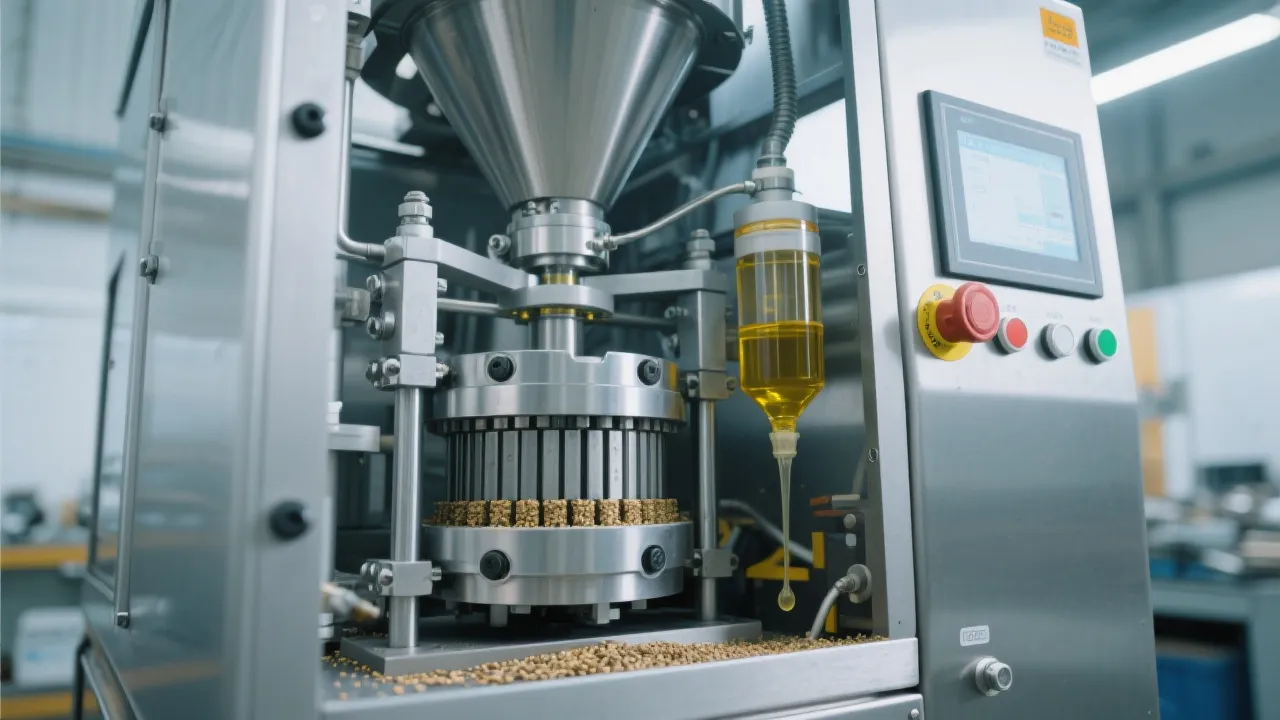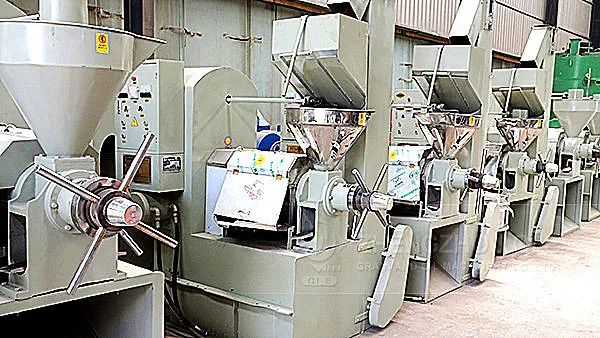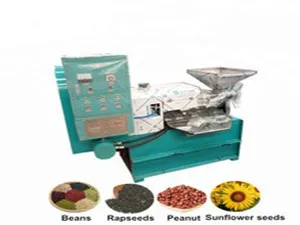

In the competitive landscape of edible oil processing, manufacturers constantly seek ways to enhance productivity while maintaining product quality and reducing operational costs. The solvent extraction process stands as a cornerstone technology in modern vegetable oil production, offering significant advantages over traditional methods. This comprehensive guide explores how advanced solvent extraction technology can transform your oil processing operations, delivering measurable improvements in yield, energy efficiency, and product consistency.
Solvent extraction has revolutionized the vegetable oil industry by enabling processors to extract oil from various oilseeds with unprecedented efficiency. Unlike mechanical pressing, which typically leaves 5-8% residual oil in the meal, solvent extraction reduces this to as low as 0.5-1%, dramatically increasing overall yield. This technology has become the standard for large-scale operations processing soybeans, rapeseed, sunflower, and other oilseeds worldwide.
Modern solvent extraction systems can process up to 2,000 metric tons of oilseeds per day, making them indispensable for meeting the growing global demand for vegetable oils, which reached approximately 210 million metric tons in 2023.
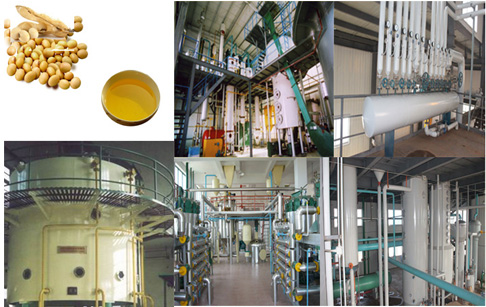
The extraction process begins with careful preparation of oilseeds to optimize oil recovery. This critical preprocessing stage includes:
Proper preprocessing can improve oil yield by 3-5% and significantly reduce solvent consumption during extraction.
The heart of the process takes place in extraction towers where prepared seed flakes encounter food-grade solvents, typically hexane. The counter-current flow design ensures maximum oil dissolution while minimizing solvent usage. Modern extractors feature:
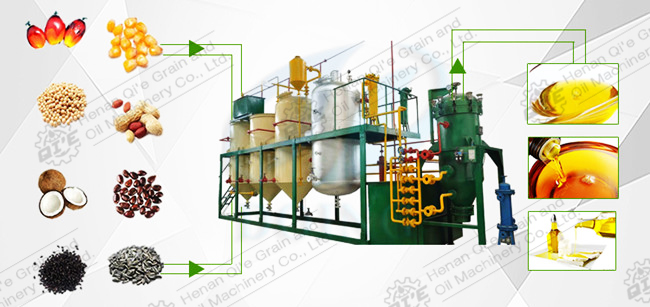
After extraction, two streams require solvent removal: the wet meal and the miscella (oil-solvent mixture). The desolventizing process uses heat and vacuum to efficiently recover solvents while preserving meal quality:
Meal Desolventizing: The wet meal undergoes a multi-stage desolventizing process in a DTDC (Desolventizer-Toaster-Dryer-Cooler) unit. This system reduces solvent residues to below 500 ppm while toasting the meal to improve its nutritional value as animal feed.
Miscella Stripping: The oil-solvent mixture is processed in a stripping column where steam injection removes solvent, leaving crude oil with less than 50 ppm solvent residue. The recovered solvent is condensed and reused in the extraction process.
Efficient solvent recovery is crucial for both economic and environmental reasons. Modern systems achieve solvent recovery rates exceeding 99.5%, with typical solvent losses below 0.5 kg per ton of processed seeds. The recovery system includes:
Advanced automation systems have transformed solvent extraction operations, enabling precise control over every process parameter. Modern PLC-based control systems offer:
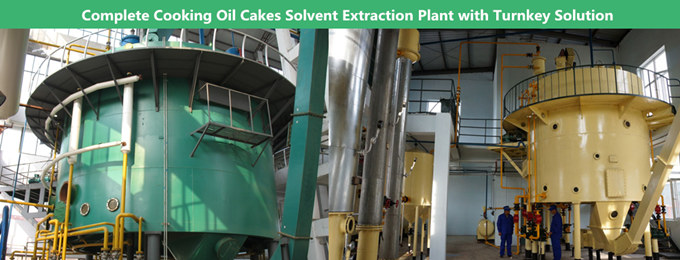
Numerous oil processing facilities have achieved remarkable results after implementing modern solvent extraction technology. A mid-sized soybean processor in Brazil increased their daily oil production from 150 to 195 metric tons (a 30% increase) while reducing energy consumption by 22% after upgrading to an automated extraction system. Similarly, a rapeseed processing plant in Germany reported a 12% increase in oil yield and 18% reduction in solvent usage following process optimization.
"The implementation of the new solvent extraction line transformed our operations," noted the technical director of a leading European oil processor. "We've seen a consistent 10-12% increase in oil yield while reducing our environmental footprint through lower energy and solvent consumption."
Whether you're building a new facility or upgrading an existing plant, solvent extraction systems can be tailored to meet specific production requirements. Suppliers offer solutions ranging from compact 50 TPD (tons per day) units for specialty oils to large-scale 2,000+ TPD installations for major commodity processors. Key customization options include:
All components should meet international standards such as ISO 22000 for food safety, ATEX for explosive environments, and ASME for pressure vessels, ensuring long-term reliability and regulatory compliance.
Our advanced solvent extraction solutions deliver proven results in yield improvement, energy savings, and operational efficiency.
Discover Your Custom Solvent Extraction SolutionSeamless integration with existing production lines | Fast ROI through immediate efficiency gains | Expert support from design to commissioning
As the global demand for vegetable oils continues to grow, processors face increasing pressure to maximize efficiency while maintaining product quality and minimizing environmental impact. Solvent extraction technology offers a proven path to achieving these goals, with modern systems delivering higher yields, lower operating costs, and greater process control than ever before. By investing in advanced extraction technology, oil processors can position themselves for long-term success in an increasingly competitive market.