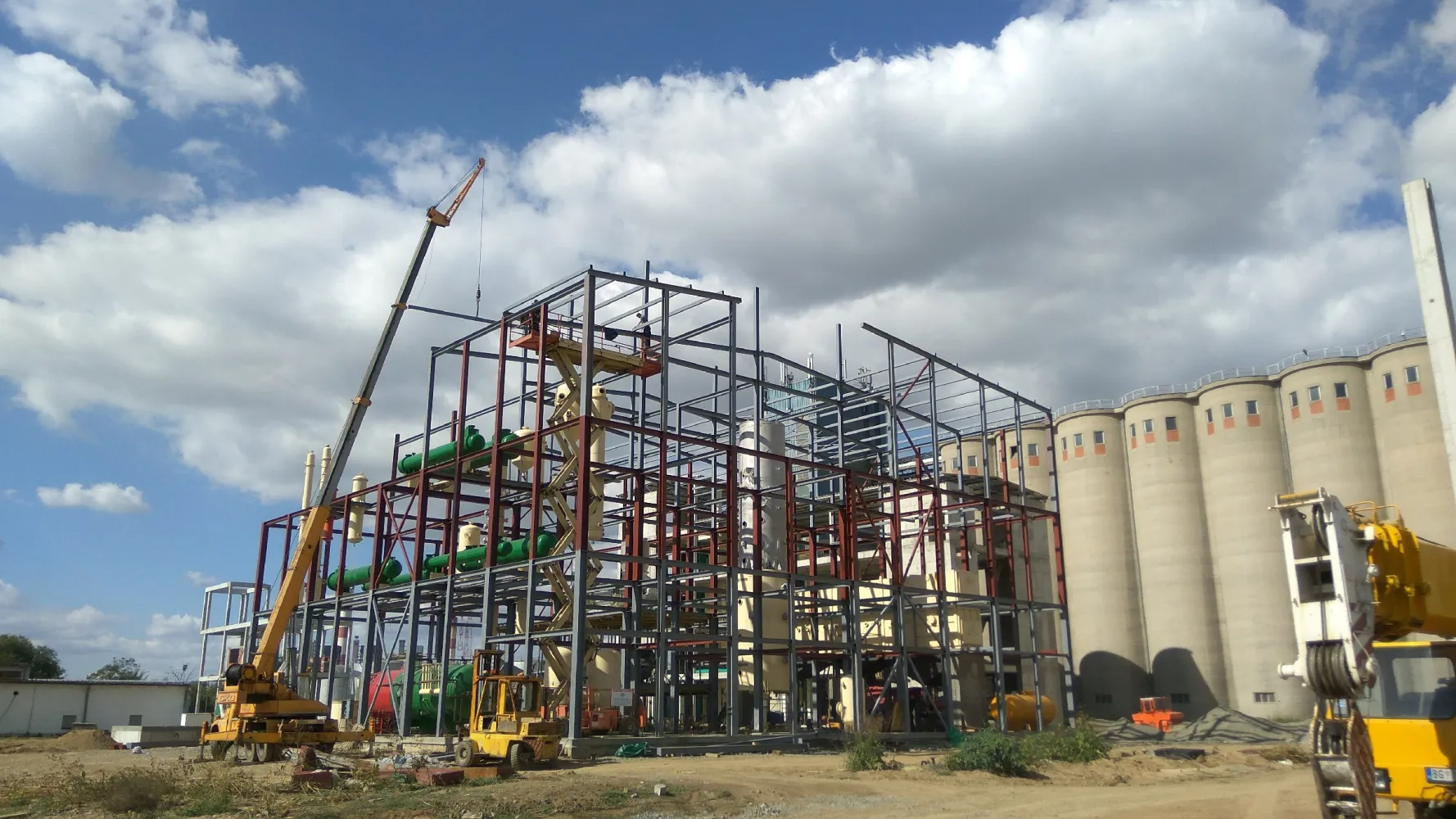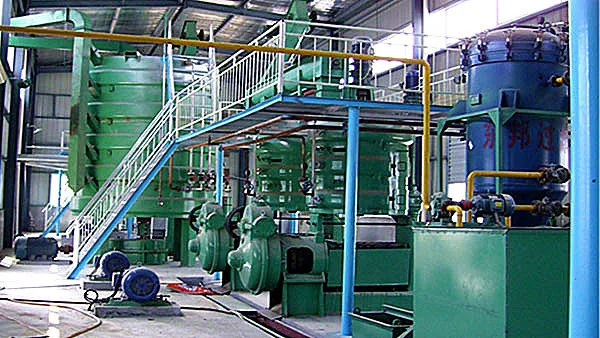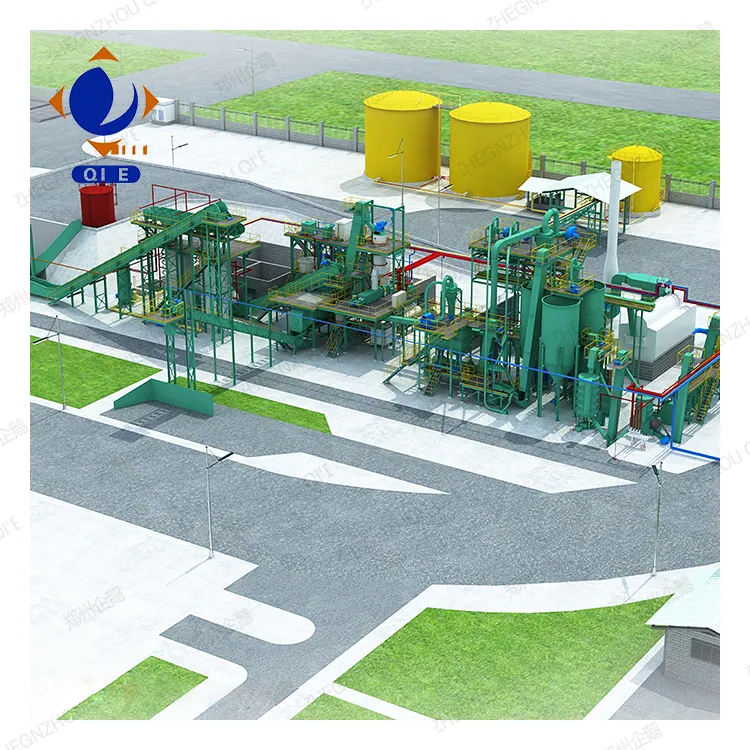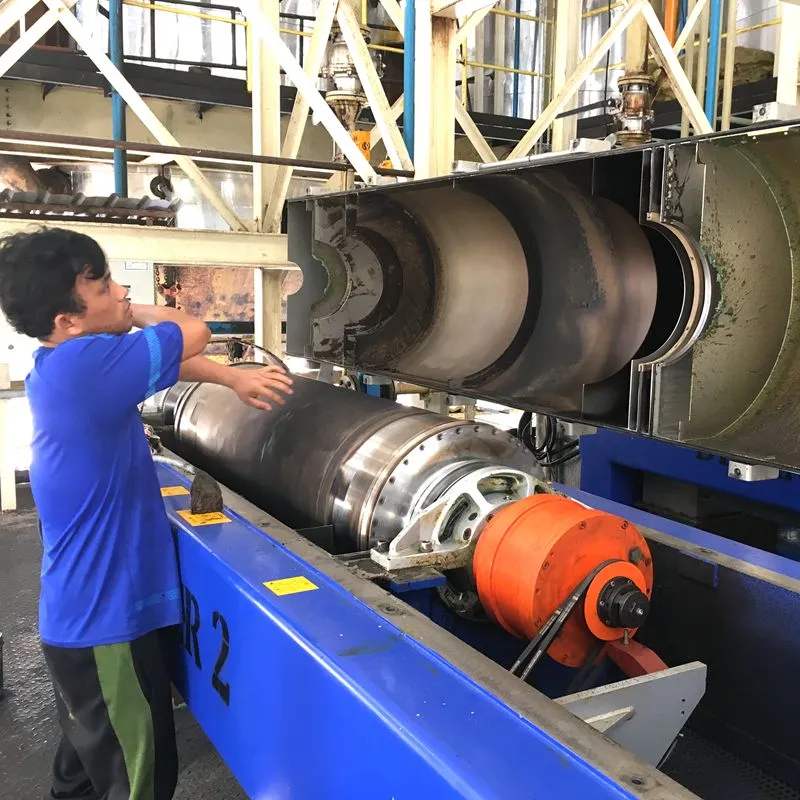
Meet a farmer from Henan, China, who embarked on an agricultural processing and export venture with just $5,000. With a vision to transform local agricultural resources into valuable export products, he established a small-scale oil pressing plant. In just two years, he successfully penetrated the Southeast Asian market, achieving a daily production capacity of 5 tons of edible oil and a profit margin of up to 20%. His success story offers valuable insights for small farmers and entrepreneurs looking to enter the edible oil industry.
The cleaning process is crucial for removing impurities from oilseeds. Advanced cleaning equipment can increase the purity of oilseeds, improving the quality of the final product. For example, a well - designed cleaning machine can remove up to 95% of impurities, enhancing the efficiency of subsequent processes.
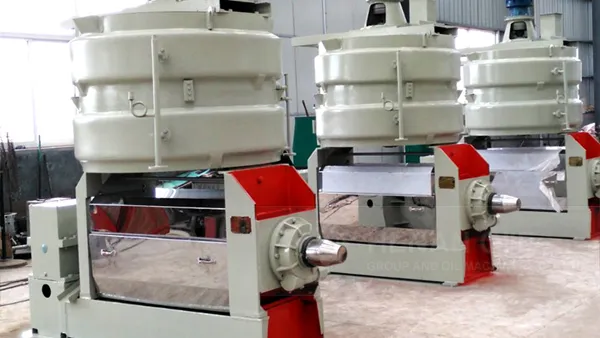
Pressing is the heart of the oil extraction process. Hydraulic or screw presses are commonly used in small - scale plants. A high - quality screw press can extract up to 80% of the oil from oilseeds, ensuring maximum yield with minimal waste.
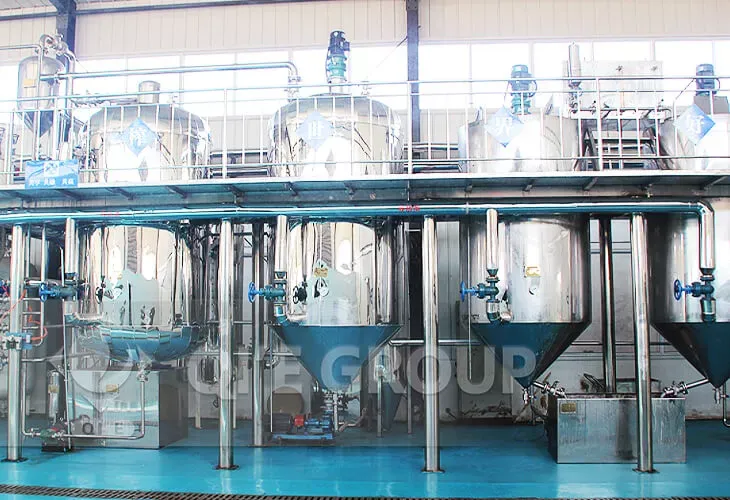
Heating helps to improve the fluidity of the oil, while filtration removes remaining solids and impurities. A proper heating and filtration system can produce clear and high - grade edible oil, meeting international quality standards.
Proper storage and transportation are essential for maintaining the quality of the oil. Hygienic and airtight packaging not only preserves the oil's freshness but also enhances its marketability. Using high - quality PET bottles or cans can extend the shelf - life of the oil by up to 12 months.
The key to this successful venture is an innovative business model that combines local raw material advantages with customized export orders. By leveraging local oilseeds, the plant reduces procurement costs and ensures a stable supply. Customized production according to international buyers' requirements allows the plant to stand out in the global market, attracting more customers and higher - value orders.
Quality control, standardized processes, and compliance certifications are the cornerstones of success. Implementing a HACCP system ensures that every step of the production process meets strict food safety standards. Standardized operating procedures improve efficiency and product consistency, leading to higher customer satisfaction and repeat business.
Location selection is critical for minimizing operating costs. A well - positioned plant can reduce transportation costs and ensure access to raw materials. Effective energy management, such as using energy - efficient equipment, can reduce energy consumption by up to 30%. Strategies for dealing with market fluctuations, like diversifying product lines or exploring new markets, can help the plant stay resilient in a volatile market.
Here is a three - step plan for those interested in starting a similar business: First, conduct in - depth market research to understand global demand, competition, and regulatory requirements. Second, develop a detailed business plan, including equipment selection, sourcing, and marketing strategies. Third, focus on building a reliable supply chain and obtaining necessary certifications.
You too can follow in his footsteps and earn your first fortune right at your doorstep! Are you ready to take on the challenge of agricultural processing and export? Share your thoughts and questions in the comments below. Click here to learn more about starting your own small oil pressing plant.