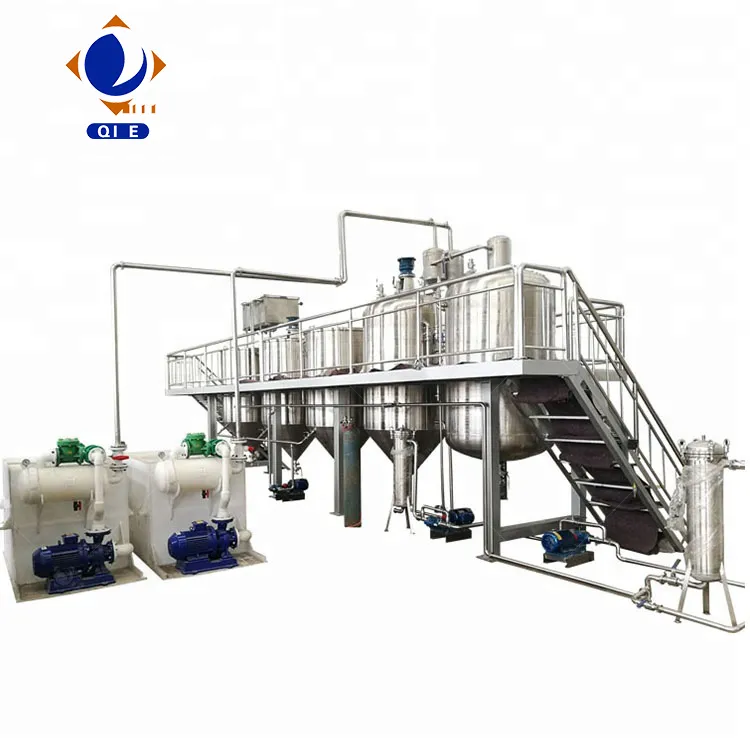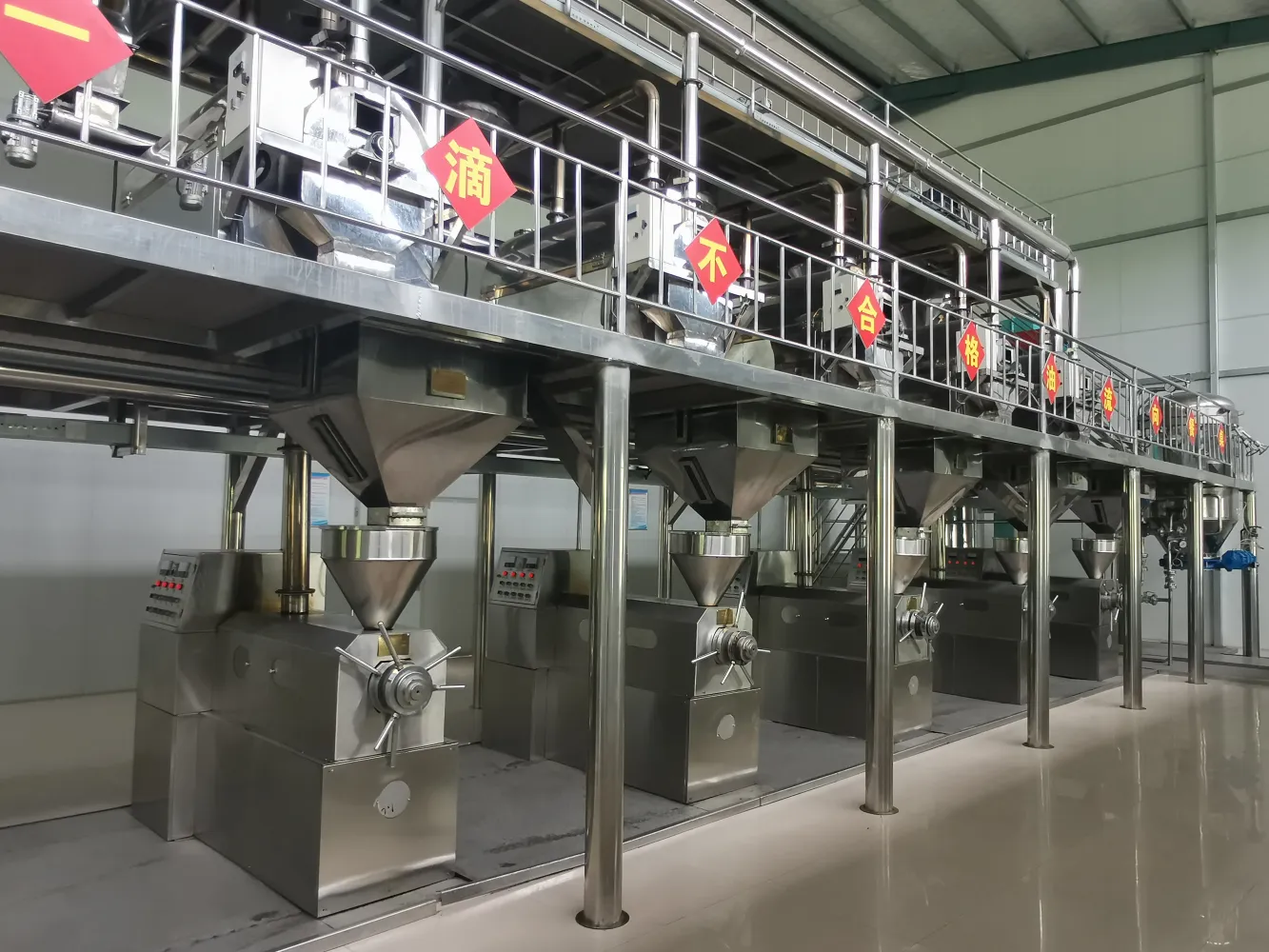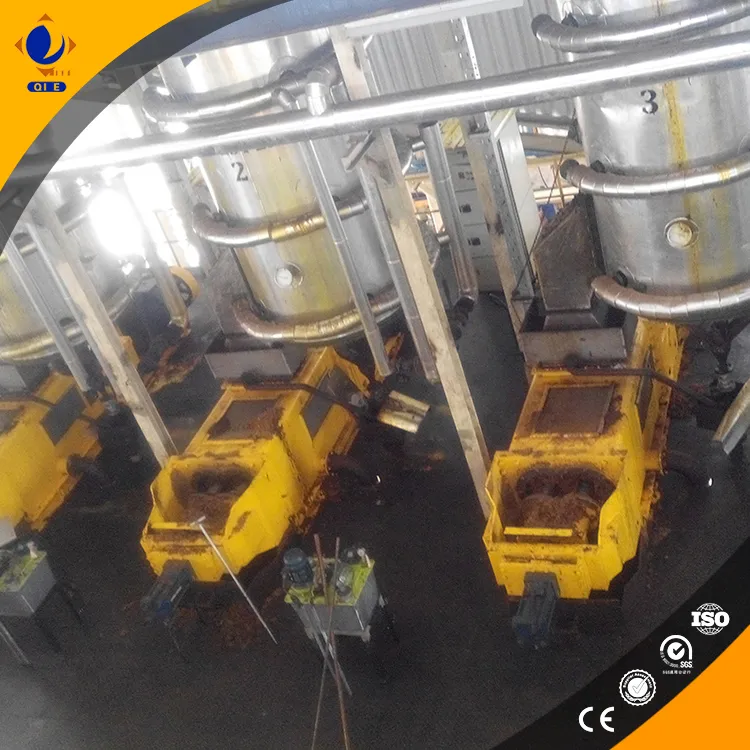
An edible oil production line is a comprehensive system designed to transform oil-bearing raw materials into high-quality edible oil through a series of coordinated processes. As a leading manufacturer in the粮油 machinery industry, Qi'e Grain and Oil Machinery Co., Ltd. specializes in providing complete solutions for edible oil production, from small-scale operations to large industrial plants. These production lines integrate multiple processing stages to ensure efficient oil extraction, purification, and packaging, meeting the diverse needs of粮油 processing enterprises worldwide.
This critical initial stage prepares oilseeds for optimal oil extraction. The process includes:
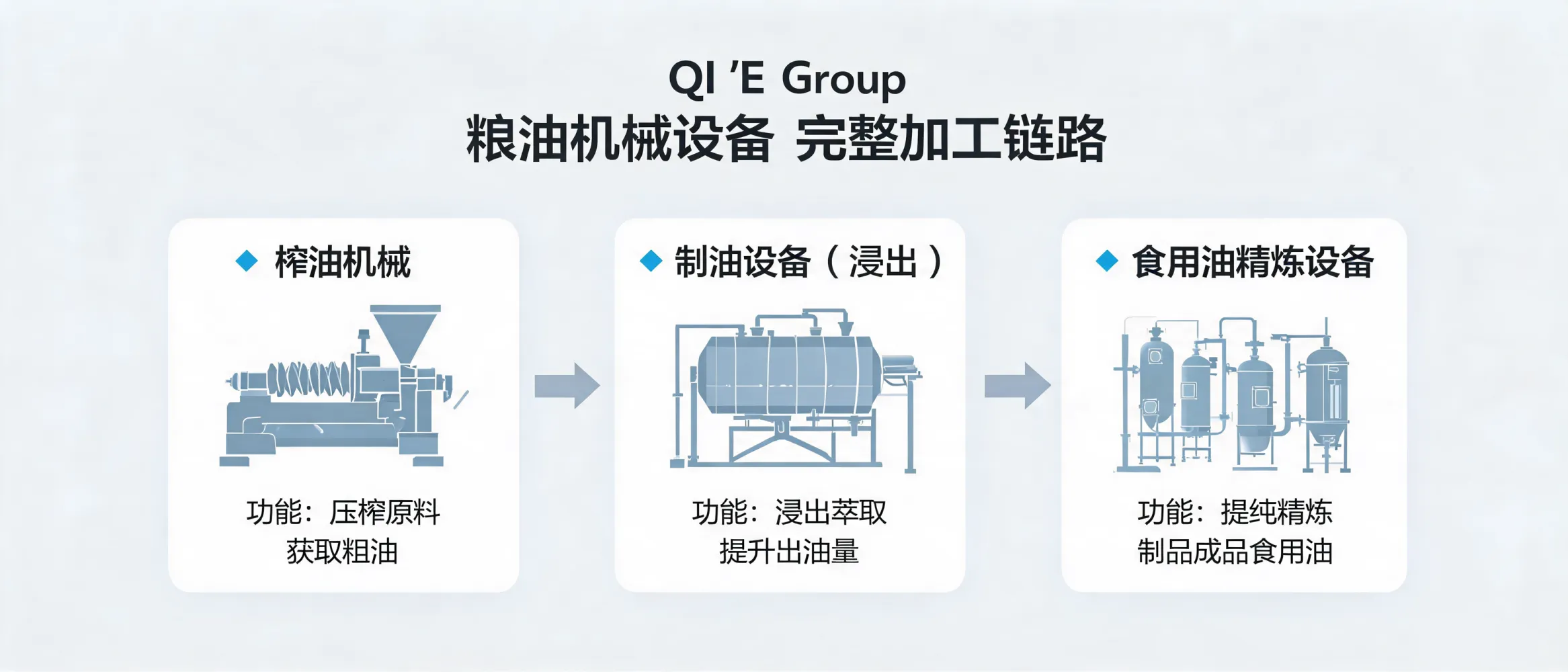
Depending on production scale and raw material characteristics, two primary methods are employed:
Suitable for various oilseeds including soybeans, rapeseed, sunflower seeds, and peanuts. The process uses mechanical pressure to extract oil, with options for cold pressing (retaining natural nutrients) or hot pressing (higher yield).
Ideal for large-scale operations and low-oil-content materials. This method uses food-grade solvents to extract remaining oil from pressed cakes, achieving higher extraction rates (up to 99% compared to 85-90% with mechanical pressing).
Freshly extracted crude oil contains impurities that must be removed before refining. This stage typically includes:
Refining transforms crude oil into high-quality edible oil through several key steps:
The final stage involves filling refined oil into appropriate containers (bottles, cans, or drums) using automatic packaging lines. Proper storage conditions are maintained to preserve oil quality, including controlled temperature and protection from light and oxygen.
| Factor | Considerations |
|---|---|
| Raw Material Type | Different oilseeds require specific processing equipment and parameters |
| Production Capacity | Small-scale (1-50 TPD), medium-scale (50-200 TPD), or large-scale (200+ TPD) configurations |
| Product Quality Requirements | Refined vs. crude oil, nutritional preservation needs, and local market standards |
| Investment Budget | Balancing initial investment with long-term operational efficiency and ROI |
"Qi'e Grain and Oil Machinery Co., Ltd. offers customized edible oil production line solutions tailored to specific raw materials, production capacities, and quality requirements. With equipment exported to over 120 countries, we combine technological innovation with practical experience to deliver efficient, reliable, and sustainable oil processing systems."
Decades of experience in designing and manufacturing oil processing equipment
Tailored systems designed for your specific raw materials and production goals
Complete services from design and installation to training and after-sales support
Trusted by customers in Asia, Africa, South America, and beyond
Whether you're an established粮油 processing enterprise looking to expand capacity or an investor planning to enter the edible oil industry, understanding the complete production line process is essential for making informed decisions. Qi'e Grain and Oil Machinery Co., Ltd. provides not just equipment, but comprehensive solutions and professional guidance to help you build efficient, profitable, and sustainable edible oil production operations.